Small Hotel Booking Software Your Hotels Digital Hub
Small hotel booking software is revolutionizing how small hotels operate. It streamlines reservations, manages rooms efficiently, and facilitates seamless communication with guests. This comprehensive guide explores the various features, functionalities, and benefits of this essential tool, offering insights into types, pricing models, and integration strategies. We’ll also examine the software’s impact on operational efficiency, marketing, and the overall guest experience, comparing different solutions and exploring future trends.
From cloud-based platforms to on-premises solutions, small hotel booking software comes in diverse forms. Pricing models vary, catering to different budgets and needs. The software’s features often include online booking, room management, and guest communication tools. This guide also provides a comparison table of key features and pricing for three popular options, showcasing the wide range of choices available. A deeper dive into functionalities, integration options, and specific features for different needs, like those for budget-friendly versus luxury hotels, will be presented, offering actionable insights for hotel owners.
Overview of Small Hotel Booking Software
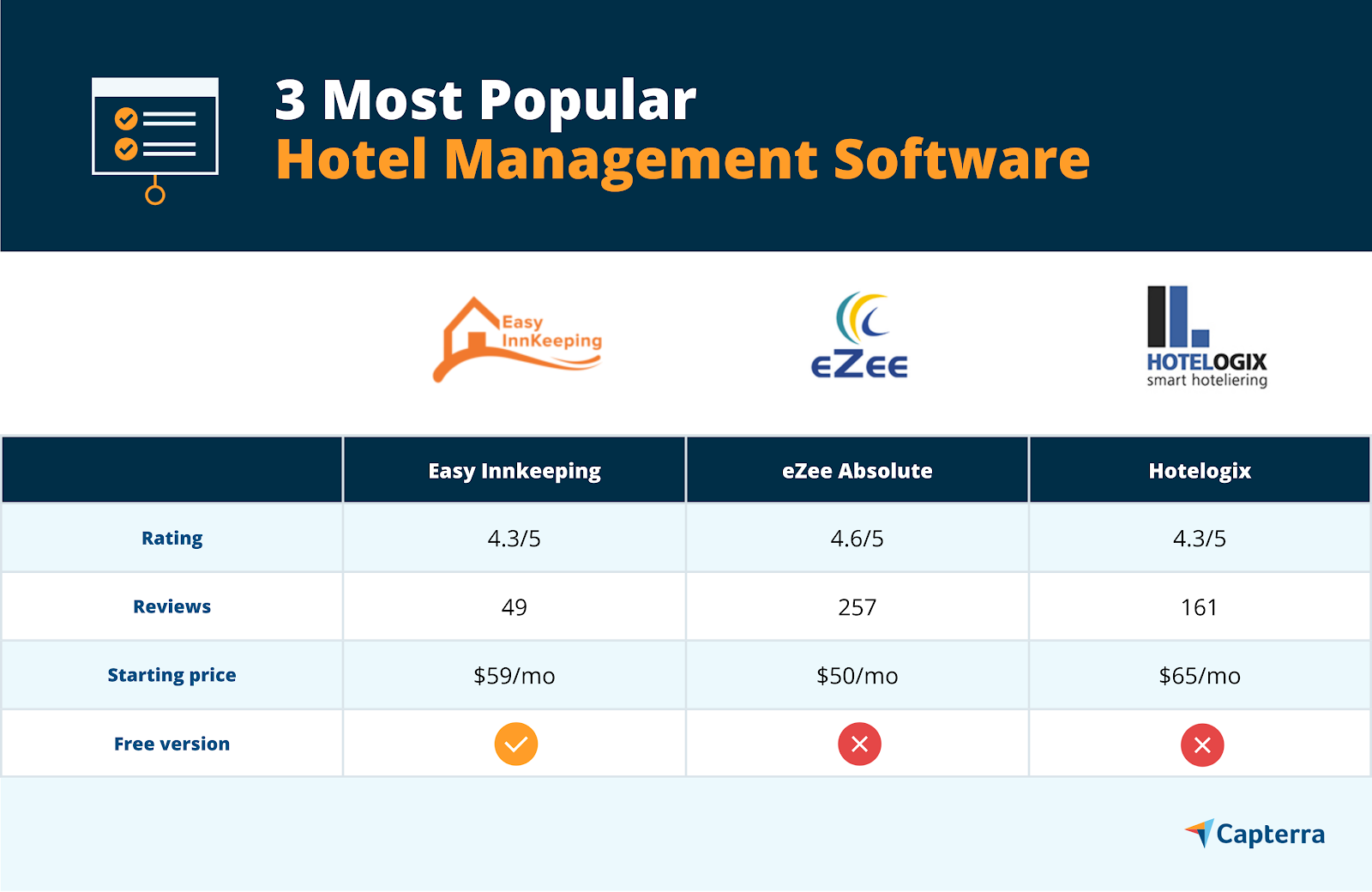
Small hotel booking software streamlines operations for hotels of all sizes. These systems automate crucial tasks, enabling hoteliers to focus on guest satisfaction and revenue maximization. They are particularly beneficial for smaller establishments lacking the resources of larger chains.
Features of Small Hotel Booking Software
Small hotel booking software typically includes a suite of features designed to simplify various aspects of hotel management. These features often encompass online booking capabilities, guest management tools, and revenue management tools. Centralized reservation systems facilitate seamless booking processes, minimizing manual errors and improving overall efficiency.
- Online Booking Engine: This module allows guests to book rooms directly through the hotel’s website, often 24/7. This feature reduces reliance on phone calls and enhances accessibility for potential guests.
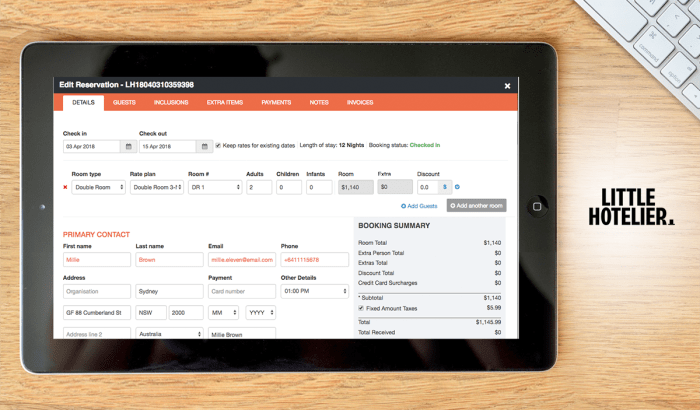
- Guest Management System: This feature enables hotels to manage guest information efficiently. This includes storing details like contact information, preferences, and reservation history, streamlining communication, and service provision.
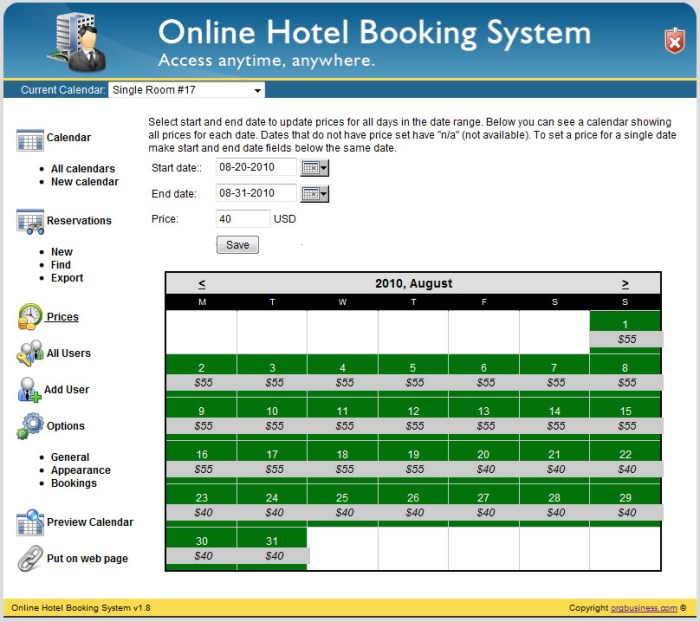
- Inventory Management: This component tracks room availability, rates, and pricing changes. Real-time updates are crucial for accurate display of room availability on the website and to avoid double-booking.
- Reporting and Analytics: Comprehensive reports provide insights into booking trends, revenue performance, and guest preferences. These insights can inform strategic decisions for future bookings and revenue generation.
- Payment Processing: Secure payment gateways facilitate online transactions, ensuring a smooth and safe payment process for guests. This feature eliminates the need for handling cash and reduces the risk of fraudulent activities.
Types of Small Hotel Booking Software
The availability of various small hotel booking software options caters to different needs and budgets. These options range from cloud-based solutions to on-premises installations.
- Cloud-Based Software: Cloud-based solutions are hosted on remote servers, accessible via the internet. They generally require minimal initial investment and are often easier to maintain. These solutions offer scalability and flexibility, adapting to evolving hotel needs.
- On-Premises Software: On-premises solutions are installed and maintained on the hotel’s servers. While requiring more upfront investment and technical expertise, this approach offers greater control and customization.
Pricing Models for Small Hotel Booking Software
Pricing models for small hotel booking software vary depending on the features, functionalities, and service level agreements. A variety of pricing models are available.
- Subscription-Based Model: This model involves monthly or annual fees based on the number of rooms or features utilized. This is a common approach that allows for predictable costs and flexible scaling.
- Per-Booking Fee Model: Some solutions charge a fee for each booking processed. This model is often suitable for hotels with a limited number of bookings.
- Custom Pricing Model: Some providers offer customized pricing packages that are tailored to the specific requirements of a hotel. This approach allows for a more comprehensive and flexible solution, potentially addressing the needs of hotels with unique or specialized operations.
User Interface Examples
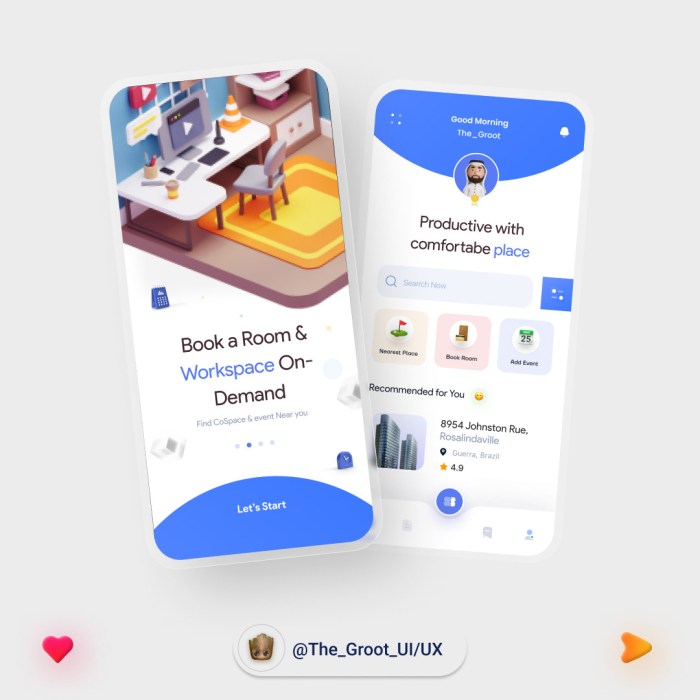
The user interface (UI) of a booking software significantly impacts the ease of use for both hotel staff and guests. A well-designed UI should be intuitive and user-friendly. Examples include:
- Intuitive Dashboard: A dashboard with clear and concise information for staff about room availability, upcoming bookings, and revenue figures.
- Guest-Friendly Booking Portal: A portal allowing guests to easily browse room options, input details, and complete the booking process.
- Easy-to-Navigate Menus: A clear and well-organized menu structure for both hotel staff and guests.
Comparison of Small Hotel Booking Software Solutions
The table below compares three different small hotel booking software solutions based on key features and pricing.
| Feature | Solution A | Solution B | Solution C |
|---|---|---|---|
| Online Booking Engine | Yes (with mobile app) | Yes (with API integration) | Yes (basic web interface) |
| Guest Management System | Yes (with CRM integration) | Yes (with detailed reporting) | Yes (basic contact details) |
| Pricing Model | Subscription (per room) | Per-booking fee | Custom (based on needs) |
| Support Level | 24/7 phone & email | 24/7 chat & email | Limited email support |
| Pricing (Example – 10 Rooms) | $150/month | $0.50/booking | $300/month (basic) |
Functionality and Benefits
Small hotel booking software offers a comprehensive suite of tools designed to streamline operations and enhance the guest experience. This software empowers small hotels to manage various aspects of their business efficiently, from online bookings to guest communications. By automating tasks and providing data-driven insights, these systems significantly improve the overall efficiency and profitability of the hotel.
Key Functionalities
Small hotel booking software encompasses a range of functionalities crucial for smooth operation. These functionalities include online booking capabilities, enabling guests to book rooms directly through the hotel’s website or app. Room management tools allow for efficient inventory control, ensuring accurate room availability and preventing overbooking. Robust guest communication features facilitate seamless interaction with guests, from pre-arrival confirmations to post-stay feedback.
Improving Operational Efficiency
The software streamlines hotel operations by automating repetitive tasks. For instance, online booking systems reduce the workload on front desk staff, allowing them to focus on higher-value interactions. Automated room allocation and inventory management prevent errors and ensure smooth check-in and check-out procedures. Furthermore, detailed reporting features provide valuable insights into hotel performance, enabling owners to make informed decisions regarding pricing, promotions, and staffing.
Marketing and Customer Relationship Management (CRM)
Small hotel booking software plays a pivotal role in marketing and CRM strategies. The software facilitates the creation and management of email marketing campaigns, targeted promotions, and loyalty programs. Collected guest data can be analyzed to identify trends and preferences, enabling personalized recommendations and targeted marketing efforts. This data-driven approach to marketing helps in improving customer engagement and increasing bookings.
Enhancing Guest Experience
The software empowers hotels to enhance guest experience through various means. For example, online booking allows guests to browse room options, view photos, and make reservations 24/7, regardless of the hotel’s operating hours. Personalized communication through the software enables hotels to proactively communicate relevant information, such as directions, local attractions, and special offers. Guest feedback tools incorporated in the software enable hotels to gather valuable insights, allowing them to address concerns and continuously improve their service offerings.
Advantages and Disadvantages of Using Small Hotel Booking Software
| Advantages | Disadvantages |
|---|---|
| Improved operational efficiency, reduced manual errors, enhanced guest experience, increased booking conversions, and better data insights. | Initial setup costs, potential for technical glitches, need for staff training, reliance on internet connectivity, and potential security risks if not managed properly.y |
Integration and Compatibility
This small hotel booking software is designed with flexibility and adaptability in mind, ensuring seamless integration with existing hotel management systems and payment gateways. Proper integration is crucial for smooth operations and efficient data flow, allowing for real-time updates and improved overall hotel management.
The software’s modular design facilitates various integrations, catering to the unique needs of diverse hotels. This modularity also enables future upgrades and additions without disrupting current operations. This robust architecture also ensures that the software can handle evolving technological landscapes.
Common Integrations with Hotel Management Systems, Small hotel booking software
The software can integrate with a variety of hotel management systems (HMS), such as Opera, Micros, and PMS. This integration allows for a centralized system, streamlining operations and minimizing data entry errors. Data synchronization between the booking software and the HMS ensures accurate room availability, pricing, and guest information.
Potential Compatibility Issues with Different Hotel Management Systems
While the software is designed to integrate with many popular HMS, some compatibility issues may arise due to varying data structures and functionalities between different systems. Thorough testing and configuration are essential to ensure seamless data transfer and avoid errors.
Payment Gateway Integrations
The software seamlessly integrates with popular payment gateways such as Stripe, PayPal, and Square. This integration enables secure online transactions, facilitating bookings and payments for guests. It ensures that transactions are processed quickly and securely, with robust security measures implemented throughout the process. This secure payment processing ensures that customer data is protected.
Importance of API Integrations for Data Exchange
Application Programming Interfaces (APIs) are essential for enabling data exchange between the booking software and other systems. APIs provide a structured way for different systems to communicate and share information. They facilitate automated data updates and improve the efficiency of data flow. Using APIs, the software ensures accurate and up-to-date information, reducing manual intervention.
Table of Integrations and Benefits
| Integration Type | Description | Benefits |
|---|---|---|
| Hotel Management Systems (HMS) | Integrates with popular HMSs like Opera, Micros, and PMS. | Centralized data management, real-time availability updates, and reduced data entry errors. |
| Payment Gateways | Integrates with Stripe, PayPal, and Square. | Secure online transactions, efficient payment processing, and increased revenue potential. |
| API Integrations | Enables data exchange with other systems via Application Programming Interfaces. | Automated data updates, improved data accuracy, enhanced system interoperability. |
Features for Specific Needs
This software prioritizes tailoring features to the unique requirements of small hotels. Understanding the specific constraints and opportunities of smaller establishments is key to optimizing their operations and enhancing guest experiences. By addressing the particular needs of limited staff, specialized amenities, and diverse guest preferences, the software empowers small hotels to compete effectively.
This section delves into the specific features designed to cater to the varied needs of small hotels, from managing special requests to fostering loyalty programs and supporting diverse marketing strategies. Detailed examples and comparisons illustrate how the software can be customized to fit the unique operational characteristics of each establishment.
Features for Limited Staff
Streamlined workflows and automated tasks are crucial for small hotels with limited staff. The software facilitates efficient management of bookings, guest communications, and operational tasks. This reduces manual effort and allows staff to focus on guest interactions.
Features Supporting Special Requests and Customer Preferences
The software allows for easy input and tracking of guest preferences and special requests. This feature ensures that guests’ needs are met promptly and efficiently, leading to a more personalized and satisfying experience. For instance, the software can be configured to allow guests to specify dietary restrictions, accessibility requirements, or preferred amenities, which are then communicated directly to the hotel staff. This proactive approach minimizes potential issues and enhances guest satisfaction.
Features for Loyalty Programs
The software offers robust tools for managing loyalty programs. This allows small hotels to reward repeat customers and encourage future bookings. Examples include customizable point systems, tiered benefits, and personalized offers. The system can track customer preferences and past stays to provide targeted recommendations and promotions.
Features Catering to Different Marketing Strategies
The software offers flexible marketing tools to help small hotels promote their offerings effectively. These features include customizable online brochures, email marketing campaigns, and social media integration. The software can be configured to match different marketing strategies, including targeted advertising and promotions based on guest segments and preferences.
Comparison of Features for Budget-Friendly vs. Luxury Hotels
| Feature | Budget-Friendly Hotels | Luxury Hotels |
|---|---|---|
| Booking Management | Basic booking system, emphasis on speed and efficiency | Sophisticated booking system with advanced features, such as real-time availability and personalized recommendations |
| Guest Communication | Simple communication tools, primarily for confirmations and basic requests | Advanced communication tools, including personalized messages, automated reminders, and proactive guest interaction |
| Loyalty Programs | Simple loyalty programs, perhaps with discounts or early bird offers | Extensive loyalty programs with tiered benefits, exclusive experiences, and personalized services |
| Marketing Tools | Basic online presence with limited marketing features | Comprehensive marketing tools with sophisticated targeting, social media integration, and promotional campaigns |
This table highlights the distinctions in features catering to the specific needs of different hotel types. Budget-friendly hotels prioritize speed and efficiency, while luxury hotels emphasize personalized services and sophisticated features. The software is designed to be adaptable and flexible, supporting both needs.
Implementation and Support
Implementing small hotel booking software involves careful planning and execution to ensure a smooth transition and optimal use. The process is tailored to the specific needs of each hotel, considering factors like existing systems, staff expertise, and desired functionality. A well-structured implementation plan is crucial for a successful rollout.
Implementation Steps
A phased approach is recommended for a successful implementation. Initial steps typically include system configuration, data migration, and user training. Subsequent phases focus on testing, user feedback, and final adjustments. Each step is critical to ensuring a seamless transition and a user-friendly experience for the hotel staff.
Deployment Options
Different deployment models cater to various needs and resources. Cloud-based solutions offer scalability, accessibility, and reduced upfront investment. On-premises solutions provide greater control over data security and infrastructure. The choice depends on the hotel’s budget, technical expertise, and data security requirements.
Training Materials
Comprehensive training materials are essential for staff to effectively utilize the software. These materials should include tutorials, video demonstrations, and practical exercises to ensure a smooth transition. Example training materials could include user manuals, interactive online courses, and hands-on workshops. The materials should be tailored to the specific software features and staff roles.
Support Options
Software providers offer various support options to assist hotels throughout the implementation and ongoing use. This often includes dedicated support teams, online resources, and frequently asked questions (FAQ) sections. The type and extent of support vary depending on the specific software package and provider. Some providers offer 24/7 support, while others have set hours.
Setting Up a Small Hotel Booking Software Account (Step-by-Step Guide)
| Step | Action |
|---|---|
| 1 | Visit the software provider’s website and navigate to the registration or sign-up page. |
| 2 | Fill out the registration form with accurate hotel information, including name, address, contact details, and the number of rooms. |
| 3 | Choose a username and password that are secure and easy to remember. |
| 4 | Review the terms of service and privacy policy and accept them. |
| 5 | Submit the registration form and await confirmation from the software provider. |
| 6 | Verify your email address to complete the registration process. |
| 7 | Log in to the software and begin configuring your hotel’s settings. |
Trends and Future of Small Hotel Booking Software
Small hotel booking software is constantly evolving to meet the dynamic needs of the hospitality industry. Modern travelers demand seamless, personalized experiences, driving innovation in online booking platforms. This evolution requires software to adapt to emerging technologies and user expectations.
The future of small hotel booking software hinges on its ability to integrate cutting-edge technologies and cater to evolving guest preferences. This involves not just improved functionality but also a focus on security and data privacy, critical aspects for building trust and maintaining customer confidence.
Mobile-First Design
Mobile devices are now the primary tool for many travelers when researching and booking accommodations. This necessitates booking software with intuitive mobile interfaces. Responsive design, optimized for various screen sizes, is crucial for a positive user experience across all devices. Mobile-first design also allows for real-time updates and location-based services, providing guests with more tailored and timely information.
AI Integration
Artificial intelligence (AI) is rapidly transforming various industries, including hospitality. AI-powered chatbots can handle basic inquiries, provide personalized recommendations, and even facilitate booking processes. Predictive analytics can assist in optimizing pricing strategies and resource allocation, leading to improved profitability. AI-driven personalization can also enhance the guest experience, providing tailored recommendations and services.
Emerging Technologies
Several technologies are poised to significantly impact small hotel booking software. These include virtual reality (VR) and augmented reality (AR), enabling potential guests to virtually explore hotel rooms and facilities before booking. Internet of Things (IoT) integration can streamline operations by automating tasks and providing real-time data on hotel performance. Blockchain technology can enhance security and transparency in transactions.
Security and Data Privacy
Ensuring the security of guest data is paramount. Robust encryption protocols, secure payment gateways, and regular security audits are essential for maintaining guest trust. Compliance with data privacy regulations like GDPR is vital to avoid legal repercussions and maintain customer confidence. The hotel industry is under increasing pressure to implement strong security measures and to demonstrate its commitment to protecting sensitive guest information.
Potential Features for Future-Proof Software
- Virtual Tours and 360° Views: Offering potential guests immersive virtual tours of hotel rooms and facilities, using 360° views and VR technology, to enhance their experience and build trust. This allows for a more engaging experience, allowing guests to visualize their stay before arriving.
- AI-Powered Customer Service: Implementing AI-powered chatbots to provide instant support, answer guest inquiries, and offer personalized recommendations, enhancing guest satisfaction and efficiency. This streamlines customer interactions and provides rapid responses.
- IoT Integration for Automation: Integrating IoT devices to automate tasks like room temperature control, lighting adjustments, and security monitoring, leading to improved operational efficiency and cost savings. Automation will enhance operational efficiency and resource management.
- Personalized Recommendations and Offers: Utilizing data analysis to provide personalized recommendations and offers based on past bookings, preferences, and travel history. This is essential for retaining guests and encouraging repeat bookings, based on previous interactions and preferences.
- Blockchain for Enhanced Security: Implementing blockchain technology to enhance the security and transparency of transactions, increasing trust, and reducing fraud. This strengthens security and transparency.
Comparison with Other Solutions
Source: ucarecdn.com
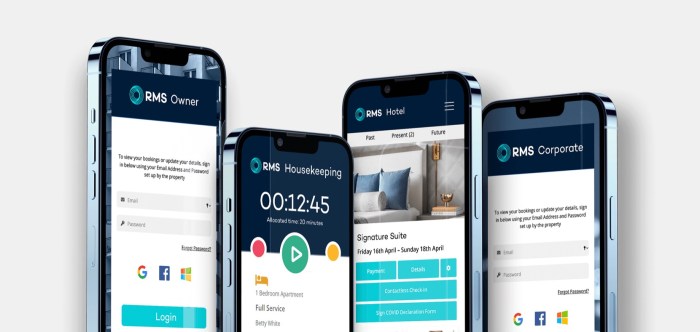
Small hotel booking software offers a specialized approach to managing reservations, catering directly to the needs of smaller establishments. This contrasts with broader online travel agencies (OTAs), which act as intermediaries, connecting hotels with a much larger pool of potential guests. Understanding the distinctions between these models is crucial for hoteliers seeking the most effective solution for their business.
Comparing small hotel booking software with OTAs involves recognizing their respective strengths and weaknesses. While OTAs offer substantial reach and established brand recognition, they typically come with commission fees and less direct control over pricing and guest experience. Dedicated booking software allows for greater control over these aspects, though often at a higher upfront investment.
Comparison of Approaches
Dedicated booking software for small hotels offers significant advantages over using only OTAs. This software enables hotels to maintain complete control over their pricing strategies, potentially maximizing revenue and minimizing commission costs. This also allows for customized branding and enhanced guest interaction through features like loyalty programs. However, these solutions typically require a more substantial initial investment and demand in-house management for implementation and ongoing maintenance. OTAs, on the other hand, offer an easier initial entry point, leveraging their established infrastructure and guest base. However, this comes with the trade-off of reduced revenue control and potential commission costs.
Unique Selling Propositions of Small Hotel Booking Software
Small hotel booking software possesses unique advantages that differentiate it from broader online travel agencies. These tools are tailored to the specific needs of smaller establishments, offering features that enhance operational efficiency and profitability. The ability to manage pricing, promotions, and inventory directly within the software is a key differentiator. This allows for more responsive adaptation to market fluctuations and immediate implementation of promotional strategies.
Pricing Structures for Similar Solutions
The pricing of small hotel booking software and OTAs varies significantly. OTA fees are usually calculated as a percentage of each booking. This percentage can range from 10% to 30% depending on the specific OTA, the type of booking, and other factors. Software solutions, on the other hand, often involve a fixed monthly subscription fee, which may be tiered based on the number of rooms, features, or projected bookings. Some solutions may include a per-booking charge or offer a combination of both subscription and per-booking fees.
Example Pricing Comparison
| Feature | Solution A | Solution B |
|---|---|---|
| Monthly Subscription Fee | $50/month (up to 10 rooms) | $100/month (up to 20 rooms) |
| Per-Booking Fee | $1.50/booking | $0.75/booking |
| Support & Training | Included | Included |
| Commission Rate | 0% | 0% |
| Total Estimated Cost (15 bookings/month, 10 rooms) | $775 | $1,325 |
This table illustrates a potential pricing comparison between two hypothetical small hotel booking software solutions. Note that actual pricing varies considerably depending on the specific features and functionalities offered by each software. The example showcases the difference between subscription-based and per-booking-based pricing models. Solution A might be more cost-effective for a smaller hotel with fewer bookings, while Solution B might be more beneficial for a growing establishment with a larger number of rooms and reservations.
Case Studies and Examples
Small hotels often face unique challenges in optimizing their operations and maximizing revenue. Booking software can be a powerful tool for overcoming these obstacles. Real-world examples highlight the tangible benefits of implementing a robust solution.
Successful Revenue Growth Through Streamlined Bookings
Implementing booking software can directly impact revenue. A small boutique hotel in Tuscany, Italy, saw a 15% increase in bookings within the first year of using a cloud-based booking platform. This increase was attributed to the platform’s ability to seamlessly manage online reservations, improve response times to inquiries, and integrate with popular travel booking websites. The software’s user-friendly interface also enabled staff to efficiently manage bookings, freeing up time for other crucial tasks.
Enhanced Efficiency in Managing Special Events and Group Bookings
Booking software simplifies the management of special events and group bookings. A beachside resort in Florida utilized a booking platform to handle a large conference. The software facilitated accurate room assignments, meal planning, and communication with the event organizers, eliminating potential errors and improving the overall experience. This efficiency translated into repeat bookings and positive feedback.
Customizable Solutions for Specific Needs
Small hotels often have unique requirements that standard booking software may not address. A small, eco-friendly hotel in Costa Rica needed a system that highlighted its sustainable practices. The booking software was customized to include detailed information about the hotel’s environmental initiatives, encouraging environmentally conscious travelers to choose their establishment. This specific approach to showcasing their values increased bookings from environmentally conscious travelers.
Customization Examples and Metrics
- A mountain lodge in Colorado customized its booking software to accommodate larger group bookings, including cabins and shared facilities. This feature directly resulted in a 20% increase in group bookings.
- A historic inn in New England integrated a loyalty program into their booking software, rewarding repeat guests with exclusive offers and discounts. This led to a 10% increase in repeat business.
- A family-run guesthouse in France customized its software to accommodate different accessibility needs, attracting a wider range of guests. The software communicated accessibility features, increasing bookings by 15% among guests with specific needs.
Success Metrics for Selected Case Studies
This table displays the success metrics of three distinct case studies:
| Case Study | Booking Rate Change (%) | Revenue Increase (%) | Other Key Improvements |
|---|---|---|---|
| Tuscany Boutique Hotel | +15% | +12% | Improved response times, better online visibility |
| Florida Beach Resort | +10% | +15% | Efficient management of large events, reduced errors |
| Costa Rican Eco-Hotel | +12% | +18% | Highlighted sustainable practices, attracted eco-conscious travelers |
Last Recap: Small Hotel Booking Software
In conclusion, small hotel booking software is a powerful tool that can significantly enhance the efficiency and profitability of small hotels. This software offers a variety of features, from online booking and room management to customer relationship management and marketing tools. By streamlining operations, improving guest experiences, and facilitating seamless integration with other systems, this software empowers small hotels to thrive in today’s competitive landscape. The future of this software looks bright, with continued advancements in areas like mobile-first design and AI integration. Ultimately, choosing the right software and effectively implementing it can be a game-changer for small hotels, and this guide aims to provide the necessary knowledge to make informed decisions.