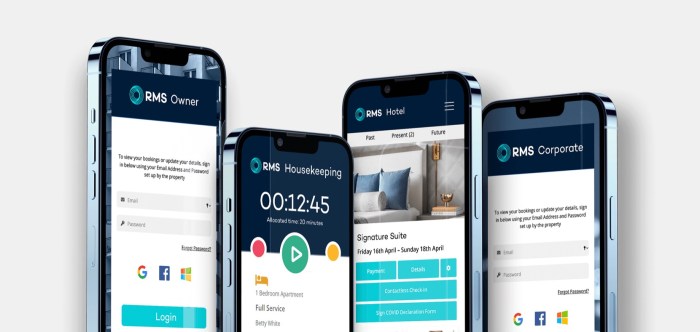
Motel Booking Software Your All-in-One Solution
Motel booking software streamlines operations, enhances guest experiences, and maximizes revenue for motel owners. This comprehensive guide delves into the intricacies of motel booking software, exploring its key features, benefits, and future trends. From detailed functionalities to crucial security considerations, we’ll provide a complete picture of this essential tool for modern motel management.
Understanding the different types of motel booking software, from cloud-based to on-premise solutions, is crucial. This software empowers motel owners with tools to effectively manage bookings, inventory, payments, and customer relationships. We’ll also discuss the critical importance of seamless integration with other systems, like property management and point-of-sale systems, to create a streamlined workflow.
Introduction to Motel Booking Software
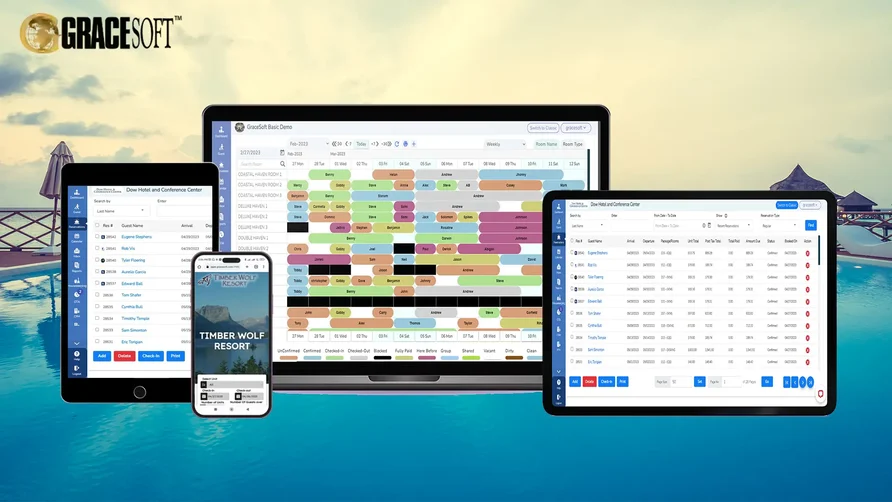
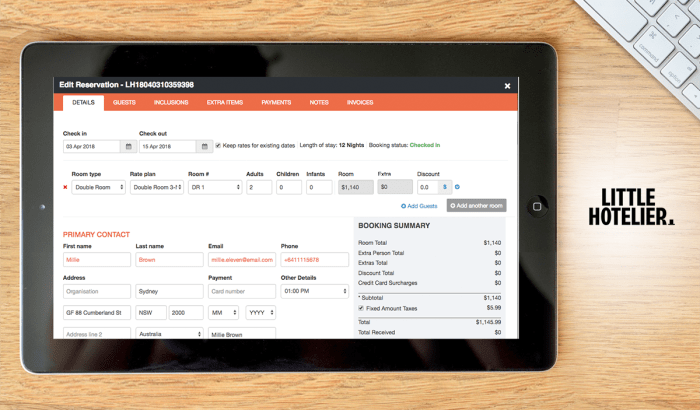
Motel booking software is a specialized system designed to streamline the entire process of managing motel reservations. This encompasses everything from online bookings to property management and customer service. It automates tasks, improves efficiency, and increases revenue generation for motel owners.
This software provides a centralized platform for handling bookings, inventory management, and financial transactions, ultimately enhancing the overall guest experience and operational efficiency of the motel.
Key Functionalities of Motel Booking Software
Motel booking software typically includes features to handle various aspects of the business. These core functionalities allow for effective management and optimization of motel operations.
- Online Booking Management: This functionality enables guests to browse available rooms, select dates, and make reservations directly through the software. Guests can also view pricing, room details, and other relevant information.
- Inventory Management: The software keeps track of available rooms, their current status (occupied, vacant, or reserved), and their features. This helps in providing accurate and up-to-date information to potential guests.
- Payment Processing: Secure payment processing capabilities allow for seamless transactions, handling various payment methods, and managing deposits.
- Guest Management: This component enables the management of guest profiles, preferences, and communication. It allows for the storage and retrieval of guest information for future stays.
- Reporting and Analytics: Generating reports on occupancy rates, revenue, booking trends, and other key metrics helps in understanding business performance and making data-driven decisions.
- Customer Relationship Management (CRM): The software can support the creation of guest profiles, communication logs, and other information to foster better relationships with returning customers.
Types of Motel Booking Software
Different types of motel booking software cater to various needs and budgets. Understanding these options helps in choosing the most appropriate solution.
- Cloud-Based Software: This type of software is hosted on a remote server, accessible through the internet. It typically offers greater scalability and flexibility, requiring minimal upfront investment in hardware. Maintenance and updates are handled by the provider, which saves significant time and resources for motel owners.
- On-Premise Software: This type of software is installed and maintained on the motel’s servers. This provides greater control over data security and customization. However, it often requires a larger initial investment and more IT expertise for maintenance.
Examples of Successful Motel Booking Software Implementations
Several motels have successfully implemented booking software to improve efficiency and enhance the guest experience. These examples showcase the positive impact of implementing these systems.
- Example 1: A mid-sized motel chain increased its online bookings by 30% after implementing cloud-based booking software. This boost in online bookings translated into higher revenue and customer satisfaction.
- Example 2: A smaller independent motel saw a significant reduction in manual errors and increased operational efficiency after adopting an on-premise system. The implementation of this software directly improved customer service.
Comparison of Motel Booking Software Types
The table below provides a comparative analysis of cloud-based and on-premise booking software solutions, highlighting key differences in features, pricing, and scalability.
| Feature | Cloud-Based | On-Premise |
|---|---|---|
| Features | Comprehensive suite of features, often with integrated CRM and reporting tools. Typically includes online booking, inventory management, and payment processing. | Features are often more customizable and tailored to specific needs. May require additional add-ons for comprehensive functionality. |
| Pricing | Usually, a subscription-based model with predictable monthly costs. Often includes support and maintenance. | Higher upfront costs for software licenses and potential need for in-house IT support and maintenance. |
| Scalability | Easily scalable to accommodate increasing business needs and volume of bookings. Often provided with additional storage capacity. | Scalability might be more challenging and require significant investment in infrastructure as the business grows. |
Features and Functionality

Source: b-cdn.net
Motel booking software plays a crucial role in streamlining operations and enhancing guest experiences. This software encompasses a range of essential features designed to optimize bookings, manage inventory, and improve communication with guests. The core features and functionalities of such software are critical to the success of any motel operation.
This section delves into the key components of motel booking software, highlighting their significance and how they contribute to improved efficiency and guest satisfaction. It also examines variations in features based on motel size and the importance of robust customer support.
Core Features for Motel Booking Software
Essential features for any motel booking software include robust room selection and availability tools, seamless online booking capabilities, and accurate inventory management systems. These core features ensure guests can easily find and book rooms, while the motel can efficiently manage its resources. The integration of these core functions provides a streamlined approach to handling reservations and inquiries.
Importance of Online Payment Integration
Online payment integration is a critical feature for modern motel booking software. It facilitates secure transactions, eliminates the need for handling cash, and reduces the risk of errors. Offering multiple payment options (credit cards, debit cards, digital wallets) ensures broader acceptance and customer convenience. This integration not only enhances efficiency but also enhances customer trust.
Significance of Inventory Management
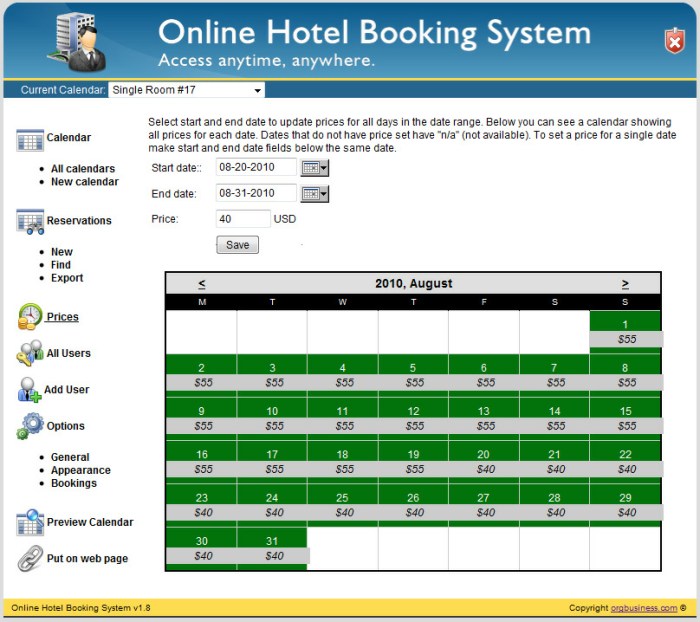
Accurate inventory management is vital for any motel. Booking software should track room availability in real-time, considering factors like room type, amenities, and special requests. A sophisticated inventory management system helps prevent overbooking, ensures accurate pricing, and allows for better forecasting of demand. Effective inventory management reduces operational issues and increases profitability.
Need for Customer Relationship Management (CRM) Features
CRM features in motel booking software enable enhanced guest communication and improved customer relationships. The software can track guest preferences, past bookings, and communication history. This data helps personalize guest experiences and offer targeted promotions. Maintaining a robust CRM system fosters repeat bookings and positive guest feedback.
Comparison of Booking Systems for Different Motel Sizes

The optimal booking system for a motel depends on its size and operational needs. Smaller motels might benefit from simpler, user-friendly software with limited features. Larger motels, with higher volumes of bookings and complex operational needs, would require more robust software with advanced features, like advanced reporting and analytics. The selection of a booking system should align with the motel’s size, projected growth, and operational requirements.
Pricing Models for Motel Booking Software
| Pricing Model | Description | Suitable for |
|---|---|---|
| Per-Room/Night | Pricing is based on the number of rooms booked and the duration of stay. | Motels with a wide range of room types and variable occupancy. |
| Subscription-Based | A fixed monthly or annual fee, potentially with tiered pricing based on features and user count. | Motels of all sizes require consistent access to software features. |
| Usage-Based | Pricing is dependent on the number of bookings processed. | Motels are experiencing fluctuating booking demands. |
Customer Support Options Offered by Different Software
Different booking software providers offer various customer support options to address user needs and concerns. Some providers offer 24/7 support via phone, email, or live chat, while others rely on self-service resources like FAQs and online documentation. The level of support should align with the motel’s needs and expected support volume.
| Support Option | Description | Software Type |
|---|---|---|
| 24/7 Phone Support | Dedicated phone lines for immediate assistance. | Large and medium-sized motels |
| Email Support | Response to inquiries via email. | Motels of all sizes |
| Live Chat Support | Real-time interaction with support staff. | Larger motels with high-volume inquiries. |
| Self-Service Resources | Online FAQs, documentation, and tutorials. | Motels of all sizes |
Benefits and Advantages
Motel booking software offers a multitude of advantages for motel owners, from streamlining operations to boosting revenue. By leveraging technology, motels can enhance guest experiences, optimize efficiency, and ultimately, achieve greater profitability. This section will detail these benefits and advantages in depth.
Implementing motel booking software offers significant improvements across various aspects of motel operations, from guest satisfaction to financial performance. These enhancements stem from the software’s ability to automate key processes, provide real-time data insights, and facilitate seamless interactions with guests.
Motel Owner Benefits

Motel booking software empowers motel owners by automating and streamlining crucial operational tasks. This translates to reduced administrative overhead, freeing up staff to focus on other essential aspects of the business. This is particularly valuable for smaller motels where staff may be limited.
- Reduced Administrative Overhead: Automating tasks such as room reservations, check-ins, and check-outs significantly reduces the time spent on administrative work. This can translate to substantial savings in labor costs, as staff are freed to handle other responsibilities. For example, a motel with 50 rooms might save 10 hours per week in administrative tasks by implementing a booking software.
- Improved Revenue Generation: The software allows for efficient management of room rates and promotions. This flexibility helps maximize revenue by ensuring optimal pricing strategies and effectively utilizing available inventory. For instance, a motel can adjust rates based on demand and offer discounts during off-peak seasons.
- Enhanced Operational Efficiency: Real-time data access allows motel owners to monitor occupancy rates, identify trends, and adjust strategies for better performance. This data-driven approach to decision-making improves operational efficiency by optimizing resource allocation and minimizing downtime.
Guest Experience Enhancement
Modern motel booking software enhances the guest experience by offering convenient online booking, easy communication channels, and access to crucial information. This contributes to a more positive and efficient stay.
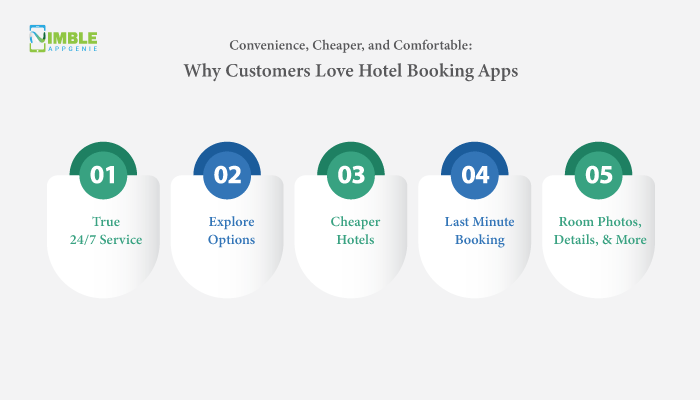
- Convenient Online Booking: Guests can book rooms conveniently 24/7 through the software’s user-friendly website or mobile app. This accessibility extends beyond traditional business hours, improving guest satisfaction and attracting a wider customer base.
- Improved Communication: The software facilitates seamless communication between the motel and guests. This includes features for instant messaging, automated confirmation emails, and real-time updates about their reservations.
- Enhanced Information Access: Guests can access important information about the motel, including room amenities, policies, and directions, directly through the software. This reduces the need for phone calls and minimizes potential errors.
Operational Efficiency Improvements
Motel booking software provides significant advantages by streamlining operational tasks, leading to increased efficiency and reduced errors. This enhanced efficiency directly benefits both the motel and the guest.
- Streamlined Check-in/Check-out: The software automates check-in and check-out procedures, significantly reducing wait times and enhancing the guest experience. This automation eliminates potential errors and streamlines the entire process.
- Accurate Inventory Management: The software maintains an accurate record of available rooms, ensuring that bookings are handled efficiently. This real-time view of inventory prevents double bookings and allows for better utilization of available space.
- Reduced Staff Errors: Automating tasks reduces the potential for human error in handling reservations, payments, and other administrative processes. This reliability contributes to a more efficient and trustworthy experience for both guests and staff.
Return on Investment (ROI)
Implementing motel booking software often results in a substantial return on investment. The following table demonstrates the potential ROI based on several key factors.
| Factor | Description | Estimated ROI (%) |
|---|---|---|
| Increased Occupancy | Higher occupancy rates due to improved marketing and efficiency | 15-25% |
| Reduced Operational Costs | Lower administrative costs due to automation and efficiency gains | 10-20% |
| Improved Guest Satisfaction | Higher guest satisfaction leads to repeat business and positive reviews | 5-15% |
| Increased Revenue | Higher revenue is generated through optimized pricing and inventory management | 10-25% |
| Total Estimated ROI | Sum of all individual factors | 40-75% |
Note: ROI percentages are estimates and may vary depending on specific motel characteristics, market conditions, and software implementation strategies.
Integration and Compatibility
Modern motel booking software needs to seamlessly integrate with other crucial systems to optimize operations and enhance the guest experience. A well-integrated system allows for streamlined data flow, minimizing manual processes and reducing errors. This leads to improved efficiency, increased revenue potential, and a more positive overall customer journey.
Effective integration goes beyond simply connecting systems. It requires a deep understanding of how different components interact and a commitment to creating a cohesive workflow. This ensures that data is consistently updated across all relevant platforms, eliminating the need for repetitive data entry and facilitating accurate information access for both staff and guests.
Seamless Integration with Other Systems
Integration with various systems is vital for a motel’s operational efficiency. The booking software should seamlessly connect with a motel’s Point of Sale (POS) system, enabling accurate room charges and payment processing. This integration ensures that all transactions are properly recorded and reconciled, minimizing potential discrepancies. Additionally, integration with property management systems is crucial. This enables real-time room availability updates, ensuring that accurate data is displayed across all platforms.
Different Integration Methods
Motel booking software can integrate with existing reservation systems in several ways. Direct API integrations provide real-time data exchange, ensuring up-to-the-minute availability. File-based transfers allow for scheduled data synchronization, offering a less intensive solution. A hybrid approach, combining both methods, can provide flexibility and cater to specific operational needs. These methods allow the motel to leverage existing investments in various systems, maximizing return on investment.
Mobile-Friendly Interfaces
Mobile-friendly interfaces are critical in today’s environment. A user-friendly interface ensures staff can manage bookings and view inventory on the go. Guests can access information, make bookings, and communicate with staff directly through their mobile devices. This accessibility improves customer satisfaction and enhances the guest experience, which is crucial for repeat business and positive reviews.
API Integrations
API integrations provide a robust and flexible approach to data exchange. They enable the software to communicate with other systems through standardized protocols. This promotes interoperability, allowing the software to adapt to changes in the motel’s technology landscape. APIs facilitate seamless data flow, reduce manual data entry, and provide a dynamic environment for ongoing improvements and enhancements. For example, an API integration with a loyalty program could automatically update guest preferences, improving the overall guest experience.
Compatibility with Various Operating Systems and Devices, Motel booking software
The following table lists the compatibility of the motel booking software with various operating systems and devices:
| Operating System | Device Compatibility |
|---|---|
| Windows | Desktop computers, laptops |
| macOS | Mac computers |
| iOS | iPhones, iPads |
| Android | Android phones, tablets |
The software’s compatibility with a wide range of operating systems and devices ensures accessibility for a broader user base, regardless of their preferred technology. This accessibility improves operational efficiency and provides a more seamless guest experience.
Security and Data Management
Motel booking software handles sensitive guest information, financial transactions, and operational data. Robust security measures are crucial to protect this information from unauthorized access, breaches, and misuse. Comprehensive data management practices ensure data integrity, availability, and compliance with regulations.
Significance of Data Security
Data security in motel booking software is paramount. Compromised data can lead to significant financial losses, reputational damage, legal liabilities, and erosion of guest trust. Protecting sensitive information, such as guest payment details, personal data, and booking history, is vital for maintaining a secure and trustworthy online environment. Data breaches can result in substantial fines and legal battles.
User Authentication and Authorization
Secure user authentication is essential for controlling access to the motel booking software. Strong passwords, multi-factor authentication (MFA), and role-based access control (RBAC) are critical components of a robust security strategy. RBAC allows administrators to define specific permissions for different user roles, ensuring only authorized personnel can access and modify sensitive data. This minimizes the risk of unauthorized access and data manipulation.
Secure Payment Processing
Secure payment processing is critical for maintaining customer trust and compliance with industry regulations. The software should utilize industry-standard encryption protocols, like TLS/SSL, to protect financial data during transmission. Payment gateways that adhere to PCI DSS (Payment Card Industry Data Security Standard) requirements ensure the security of credit card information. The implementation of these measures is vital to prevent fraud and protect sensitive financial data.
Data Backup and Recovery Procedures
Regular data backups are essential for disaster recovery and business continuity. Implementing a robust backup and recovery plan ensures the availability of critical data in case of system failures or data loss. Data backups should be stored in secure off-site locations and regularly tested to ensure their effectiveness. This safeguards against data loss due to hardware failure, cyberattacks, or natural disasters.
Security Protocols in Motel Booking Software
| Software Provider | Encryption Protocol | Authentication Method | Data Backup Frequency |
|---|---|---|---|
| BookingBuddy | TLS 1.3 | Two-factor authentication (SMS, email) | Daily, weekly, and monthly backups |
| MotelManager | TLS 1.2 | Strong password policy, IP restrictions | Daily backups with weekly off-site copy |
| StayEasy | TLS 1.1 | Multi-factor authentication (SMS, biometric) | Weekly backups with monthly off-site copy |
Note: The table above provides examples of security protocols used by hypothetical motel booking software. Specific details may vary based on individual providers. Furthermore, the protocols should be reviewed and updated regularly to reflect current security standards.
Implementation and Maintenance: Motel Booking Software
Implementing motel booking software effectively requires a structured approach. Careful planning and execution are crucial to ensure a smooth transition and maximize the software’s benefits. A phased implementation strategy, coupled with thorough staff training, is vital for a successful rollout. Ongoing maintenance and updates, combined with proactive customer support, are key to sustaining the software’s value and longevity.
Implementation Steps
A phased implementation approach is generally recommended for motel booking software. This involves carefully evaluating the existing processes, mapping them to the new software’s functionalities, and then gradually integrating the system. This phased approach minimizes disruption and allows for adjustments based on real-world feedback. Key steps include:
- Assessment of Existing Processes: Analyze current booking procedures, staff roles, and data management systems to identify areas where the software can improve efficiency.
- Data Migration: Transferring existing guest data and booking records to the new system requires careful planning and validation to ensure accuracy.
- Software Configuration: Configure the software settings to align with the motel’s specific needs and preferences. This includes customizing room types, pricing, and payment options.
- Testing and Validation: Thoroughly test the software with real-world scenarios and data to identify and resolve any issues before the full implementation.
- Training of Staff: Provide comprehensive training to all staff members involved in using the software. This ensures a smooth transition and optimal use of the system.
Staff Training Process
Effective staff training is crucial for successful software adoption. A well-structured training program will ensure that staff members are proficient in using the software, understand its functionalities, and can address customer queries effectively.
- Comprehensive Training Materials: Develop detailed training manuals, videos, and online resources to provide comprehensive information on the software’s features and functionalities.
- Hands-on Practice Sessions: Organize hands-on practice sessions where staff members can actively use the software in simulated scenarios, addressing potential challenges.
- Role-Specific Training: Tailor training to specific roles, emphasizing the functionalities most relevant to each staff member’s responsibilities. For example, front desk staff will focus on check-in/check-out procedures, while maintenance staff may be trained on room management functionalities.
- Ongoing Support and Mentorship: Provide ongoing support and mentorship to staff members to address any questions or concerns they might have during the initial stages of using the software.
Maintenance and Updates
Ongoing maintenance and updates are essential for ensuring the software’s continued performance and security. Regular software updates address bugs, enhance features, and integrate new technologies. This also keeps the system compatible with evolving industry standards.
- Regular Software Updates: Implementing regular software updates ensures that the system remains current, addresses security vulnerabilities, and provides the latest features.
- Monitoring and Reporting: Regularly monitor the system’s performance to identify and address potential issues. Generate reports on system usage to understand patterns and optimize processes.
- Backup and Recovery Procedures: Establish and regularly test backup and recovery procedures to protect data against loss or corruption.
Customer Support Importance
Customer support is critical for addressing guest inquiries, resolving technical issues, and providing assistance with the booking process. A responsive and helpful support system is essential for maintaining a positive customer experience and building customer loyalty.
Customer Support Options
| Support Option | Description |
|---|---|
| Phone Support | Provides immediate assistance through phone calls, particularly helpful for urgent issues. |
| Email Support | Offers a convenient way to submit inquiries and receive responses, useful for less urgent matters. |
| Online Support Portal | Provides access to FAQs, troubleshooting guides, and other helpful resources, offering self-service support for common queries. |
| Live Chat Support | Offers real-time interaction for instant assistance with queries and issues. |
Future Trends and Innovations
Source: thehotelgm.com
Motel booking software is continuously evolving to meet the changing demands of travelers and the industry. Emerging technologies are reshaping the way motels operate and interact with their clientele, driving efficiency and enhancing the overall guest experience. This section explores the future-oriented features and trends shaping the landscape of motel booking systems.
Emerging Trends in Motel Booking Software
The motel industry is embracing dynamic pricing strategies, incorporating real-time availability, and leveraging data analytics to refine operations. These developments, coupled with enhanced user interfaces, are crucial for boosting customer engagement and streamlining booking processes. AI-driven personalization, mobile-first design, and seamless integration with other platforms are becoming essential components of modern motel booking solutions.
Potential of AI and Machine Learning
AI and machine learning hold immense potential for optimizing motel booking software. Predictive analytics can forecast demand fluctuations, enabling proactive adjustments in pricing and inventory management. Chatbots and virtual assistants can provide instant support to guests, answering queries and guiding them through the booking process. Personalized recommendations for amenities and packages can significantly improve guest satisfaction. For instance, AI can analyze past booking patterns to recommend rooms with favorable views or proximity to popular attractions.
Importance of Personalized Recommendations
Personalized recommendations in motel booking software can significantly enhance the guest experience. By leveraging data on guest preferences, past bookings, and travel history, the software can suggest tailored packages and amenities. This approach can lead to higher conversion rates and increased customer satisfaction. For example, a frequent traveler to a specific city may receive recommendations for nearby attractions or special packages, enhancing their overall experience.
Significance of Mobile-First Approaches
The increasing reliance on mobile devices necessitates a mobile-first approach in motel booking software. A user-friendly mobile interface allows guests to book accommodations, access information, and manage their reservations conveniently. This enhances accessibility and provides a seamless experience across various devices. Many successful businesses have observed a substantial increase in bookings through mobile applications, showcasing the importance of mobile-first design.
Future-Focused Features in Motel Booking Software
| Feature | Description | Impact |
|---|---|---|
| Predictive Analytics | Forecasts demand fluctuations and adjusts pricing/inventory in real-time. | Improved revenue management and optimized resource allocation. |
| AI-Powered Chatbots | Provides instant support, answers guest queries, and guides through the booking process. | Enhanced customer service and reduced response time. |
| Personalized Recommendations | Tailored packages and amenities based on guest preferences and past bookings. | Increased guest satisfaction and higher conversion rates. |
| Seamless Integration with Social Media | Allows guest reviews and sharing of booking experiences. | Improved brand reputation and marketing opportunities. |
| Enhanced Mobile App | Seamless and user-friendly booking, reservation management, and communication on mobile devices. | Increased accessibility and a superior guest experience. |
Last Point
In conclusion, motel booking software offers a multitude of advantages for modern motel operations. By integrating various functionalities, such as online payment processing, inventory management, and customer relationship management, motel owners can significantly improve operational efficiency, enhance guest satisfaction, and ultimately increase revenue. Embracing these innovative solutions can transform a motel into a highly efficient and profitable business while staying ahead of the curve with future-proof features and integrations.