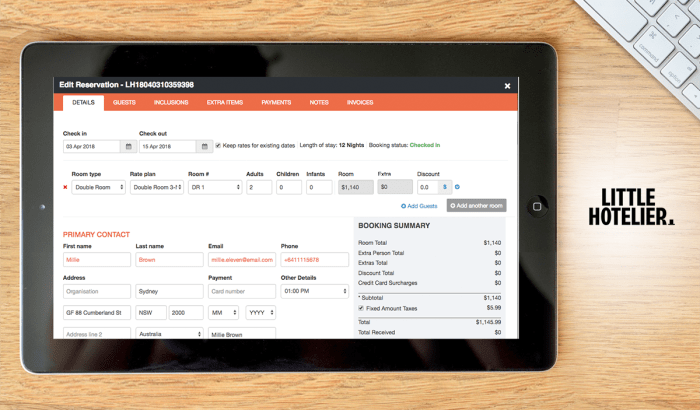
Innroad Booking Engine A Comprehensive Guide
Innroad booking engine streamlines hotel operations, offering a robust platform for managing reservations, inventory, and customer interactions. It caters to a wide range of accommodations, from boutique hotels to large resorts. Understanding the user roles and features of this system is crucial for maximizing efficiency and guest satisfaction.
This guide delves into the intricacies of the Innroad Booking Engine, exploring its key functionalities, user experience, integration capabilities, and potential advantages. It also examines the support and training resources available to users and highlights future trends.
Introduction to Innroad Booking Engine

The Innroad Booking Engine is a comprehensive software solution designed to streamline the online booking process for hotels, resorts, and other lodging establishments. It provides a user-friendly platform for managing reservations, handling guest inquiries, and optimizing revenue. Its robust features cater to diverse accommodation needs, allowing businesses to effectively manage their operations and enhance the guest experience.
The Innroad Booking Engine caters to a wide array of accommodations, from boutique hotels and bed & breakfasts to large resort complexes and vacation rentals. Its versatility enables businesses of various sizes and specializations to leverage its capabilities.
User Roles and Interactions
The Innroad Booking Engine facilitates interaction between various user roles, each with specific functionalities. Hotel staff, such as front desk agents and managers, can efficiently process reservations, manage guest profiles, and handle inquiries. Guests can browse available rooms, make reservations, and communicate with the hotel directly through the platform. Property owners or managers can monitor booking data, adjust pricing, and manage inventory. The system enables seamless communication and data flow among these different roles, fostering a unified approach to hospitality management.
Key Features of the Innroad Booking Engine
This section articulates the core functionalities of the Innroad Booking Engine, providing illustrative examples for better comprehension.
| Feature | Description | Example Use Case | User Role |
|---|---|---|---|
| Online Booking | Allows guests to browse available rooms, select dates, and complete reservations directly online. | A guest books a room at a resort for a weekend getaway. | Guest |
| Real-Time Availability | Displays updated room availability in real-time, preventing double bookings and ensuring accurate information. | A hotel manager updates room availability as a guest checks in. | Hotel Manager |
| Inventory Management | Provides tools for managing room inventory, including room types, amenities, and pricing. | A hotel adjusts the price of a suite based on seasonality. | Hotel Manager |
| Guest Communication | Facilitates communication between the hotel and guests regarding bookings, inquiries, and special requests. | A guest sends a message to the hotel about a late arrival. | Guest, Hotel Staff |
| Reporting and Analytics | Generates reports on booking trends, revenue performance, and other key metrics. | A hotel owner reviews booking data to identify peak seasons and adjust strategies. | Hotel Owner |
Features and Functionality
The Innroad Booking Engine offers a comprehensive suite of features designed to streamline hotel operations and enhance the guest experience. This engine facilitates online bookings, manages room inventory efficiently, and ensures secure payment processing, all contributing to a more organized and profitable hotel business.
The platform provides powerful tools for managing reservations, generating insightful reports, and communicating effectively with guests, thereby enhancing the overall efficiency of the hotel’s operations. Seamless integration with existing hotel management systems is a critical aspect of the Innroad Booking Engine, enabling a unified and efficient workflow.
Online Booking
The online booking system allows guests to browse available rooms, select dates, and make reservations directly through the website. This significantly expands the hotel’s reach, attracting a broader customer base beyond traditional booking channels. Real-time availability updates ensure guests are presented with accurate and up-to-date information, contributing to a positive guest experience.
Room Inventory Management
The Innroad Booking Engine provides a robust system for managing room inventory. This includes features like room categorization, pricing strategies, and availability updates. Accurate room availability data is crucial for preventing overbooking and maximizing revenue potential.
Payment Processing
Secure payment processing is a vital component of the booking engine. The platform supports various payment methods, ensuring a seamless transaction process for guests. This feature safeguards sensitive financial information and protects both the hotel and the guest.
Reservation Management

The platform offers a centralized system for managing reservations. This includes features like reservation modification, cancellation, and confirmation, providing a comprehensive overview of all bookings.
Reporting Tools
The Innroad Booking Engine generates detailed reports on various aspects of hotel operations. These reports can be tailored to provide insights into booking trends, revenue performance, and guest preferences. This data-driven approach empowers hotels to make informed decisions regarding pricing, promotions, and overall operational strategies.
Customer Communication
The booking engine facilitates effective communication with guests. Features such as email notifications, automated messages, and guest portals streamline communication and enhance the overall guest experience.
Integration Capabilities, Innroad booking engine
The Innroad Booking Engine integrates seamlessly with other hotel management systems, ensuring data consistency and a unified workflow. This integration eliminates data duplication and streamlines various tasks, such as room availability updates and reservation management.
| Feature | Description | Technical Specifications | Benefits |
|---|---|---|---|
| Online Booking | Guests can book rooms directly on the hotel website. | Web-based interface, secure payment gateway integration. | Increased online bookings, wider reach, enhanced guest experience. |
| Room Inventory Management | Manages room availability, pricing, and categories. | Database-driven system, real-time updates. | Reduces overbooking, maximizes revenue, and improves operational efficiency. |
| Payment Processing | Secure processing of various payment methods. | PCI DSS-compliant payment gateways. | Safeguards financial data, enhances guest satisfaction, and reduces manual errors. |
| Reservation Management | Centralized system for managing reservations. | User-friendly interface, customizable workflows. | Streamlines reservation handling, reduces errors, and improves efficiency. |
| Reporting Tools | Generates detailed reports on booking trends, revenue, and guest preferences. | Customizable reports, data export options. | Data-driven decision making identifies opportunities for improvement, tracks key performance indicators. |
| Customer Communication | Facilitates communication with guests via various channels. | Email integration, automated messaging systems. | Improved guest communication, enhances guest experience, and provides prompt responses. |
| Integration Capabilities | Integrates with other hotel management systems. | API-driven integration, data synchronization. | Unified workflow eliminates data duplication, improves operational efficiency. |
User Experience and Interface: Innroad Booking Engine
The user experience (UX) is paramount for a booking engine. A smooth and intuitive interface ensures a positive guest experience, leading to higher booking conversions and customer satisfaction. Conversely, a cumbersome interface can drive guests away and negatively impact the hotel’s reputation. A well-designed booking engine should provide clear and easy-to-understand navigation for both guests and staff.
A user-friendly interface for booking accommodations should be intuitive and easily navigable, minimizing the cognitive load on the user. This approach ensures a seamless and pleasant experience, encouraging bookings and repeat business.
Guest Booking Process
The online booking process should be straightforward, guiding guests through each step with clear instructions and visual cues. Guests should be able to easily input their travel dates, number of guests, and desired amenities. Visual aids, such as interactive calendars and filtering options, will improve the experience.
- Step 1: Search and Filter: Guests enter their travel dates, destination, and desired room types. Filtering options allow them to refine their search based on price, amenities, or other criteria. This stage is crucial for efficient searching and should incorporate intuitive search functionalities.
- Step 2: Review and Select: A detailed display of available rooms should appear, highlighting key features and prices. Guests can click on a room to view additional details, such as photos, room descriptions, and amenities. Clear and concise information helps guests make informed decisions.
- Step 3: Personal Information and Payment: Guests provide their details, such as name, contact information, and credit card information. Secure payment gateways should be used to ensure data protection. This stage requires clear instructions and a trust-building design.
- Step 4: Confirmation and Booking: A confirmation page should be displayed with booking details. This includes the total cost, room details, and contact information. A summary of the booking details is critical for guests to ensure the reservation is accurate.
Hotel Staff Reservation Management
Hotel staff members need a user-friendly interface for managing reservations. This allows for quick access to booking information, modifications, and reporting. Efficient staff management tools are critical for maintaining operational efficiency.
- Accessing Reservation Data: Staff members should be able to search for reservations based on various criteria, such as guest name, date, or room number. Real-time updates ensure that staff have access to the most current information.
- Modifying Reservations: Staff members should be able to easily modify or cancel reservations, including updating room details, dates, and guest information. The system should clearly show the impact of any changes.
- Reporting and Analytics: Staff should have access to reports on occupancy, revenue, and other key performance indicators (KPIs). This data is essential for effective hotel management and forecasting.
User Roles and Access Levels
Different user roles require varying levels of access to the booking engine. This table articulates the roles and their corresponding permissions.
| User Role | Access Level |
|---|---|
| Guest | View available rooms, search, select rooms, provide personal information, make payments, and view booking confirmation. |
| Front Desk Staff | View, modify, cancel reservations, manage guest profiles, generate reports, and access payment details (with authorization) |
| Hotel Manager | Full access to all reservation data, manage staff access, generate comprehensive reports, and manage financial transactions. |
Integration and Compatibility

The Innroad Booking Engine is designed for seamless integration with a wide array of existing hotel systems and platforms. This adaptability ensures a smooth transition for hotels looking to upgrade their online booking processes. This compatibility is crucial for maintaining existing workflows and minimizing disruption during implementation.
Supported Platforms and Systems
The Innroad Booking Engine integrates with various property management systems (PMS), central reservation systems (CRS), and other crucial hotel technologies. This allows for a streamlined data flow between these systems, eliminating manual data entry and reducing errors. The comprehensive support for diverse platforms ensures that hotels can leverage existing investments in technology while enhancing their online booking capabilities.
Integration with Hotel Websites
The integration process with a hotel’s website is straightforward and typically involves API connections. This facilitates the seamless display of available rooms, pricing, and booking options directly on the hotel’s website. The integration ensures that online bookings are automatically synchronized with the hotel’s PMS, maintaining data accuracy and reducing the potential for discrepancies.
Interaction with Third-Party Payment Gateways
The Innroad Booking Engine supports a variety of secure third-party payment gateways. This allows hotels to accept payments from various sources and currencies, ensuring a secure and efficient transaction process for both the hotel and the guest. The integration with these gateways is crucial for handling a wide range of payment options and ensuring a positive guest experience.
Integration Table
| Integration | Benefits | Technical Details |
|---|---|---|
| Property Management Systems (PMS) | Real-time room availability updates, accurate pricing synchronization, automated booking confirmations, and seamless data flow. | API-based integration, supporting various PMS formats, including Sabre, Opera, and Micros. Data transfer protocols like XML or JSON are used. |
| Central Reservation Systems (CRS) | Enhanced distribution channels, centralized booking management, and improved operational efficiency. | API connections allowing for direct communication with CRSs. Data exchange protocols and formats are specific to each CRS. |
| Global Distribution Systems (GDS) | Broader market reach, increased visibility, and expanded booking opportunities through major travel agencies. | Integration protocols vary depending on the specific GDS (e.g., Amadeus, Galileo). Specific API access and data formatting are required. |
| Third-Party Payment Gateways | Secure and reliable payment processing for various currencies and payment methods, PCI DSS compliance, and reduced fraud risk. | Secure API connections and payment processing protocols, such as SSL encryption and tokenization, are used. Integration with common payment gateways (e.g., Stripe, PayPal) is typical. |
Advantages and Disadvantages
Source: cloudfront.net
The Innroad Booking Engine offers a comprehensive suite of tools for managing online bookings and revenue. Understanding its strengths and limitations is crucial for potential users to make informed decisions. A careful evaluation of both the benefits and drawbacks will help determine if Innroad is the right solution for their specific needs.
A key consideration for any booking engine is its impact on operational efficiency and financial performance. The advantages of using Innroad, particularly its ability to streamline the booking process and enhance revenue management, are substantial. However, potential drawbacks, such as cost considerations and support availability, must also be carefully weighed.
Benefits of Using Innroad
The Innroad Booking Engine provides several advantages, including a significant boost in online bookings and improved revenue management. Its user-friendly interface and robust features contribute to a smoother online booking experience for guests, leading to increased conversions. Furthermore, Innroad’s advanced revenue management tools allow for optimal pricing strategies, maximizing revenue potential, and minimizing revenue leakage.
- Increased Online Bookings: Innroad’s intuitive interface and robust features encourage seamless online bookings. Its advanced search functionality and clear presentation of available rooms improve the guest experience, leading to a higher conversion rate.
- Improved Revenue Management: Innroad’s advanced tools enable dynamic pricing strategies, allowing for optimal pricing adjustments based on real-time demand and occupancy rates. This ensures that the property is maximizing revenue potential and minimizing lost opportunities.
Drawbacks of Using Innroad
While Innroad offers significant advantages, potential drawbacks need consideration. One key aspect is the cost of the platform, which can vary depending on the features selected and the volume of bookings handled. Another factor is the potential for support issues, which could impact operational efficiency if not addressed promptly.
- Cost Considerations: The pricing structure for Innroad can be complex, often tiered based on the features utilized and the volume of bookings processed. Additional costs may include integration fees, add-on modules, and potentially recurring maintenance fees. A detailed cost analysis is necessary before committing to Innroad.
- Potential Support Issues: While Innroad strives to provide comprehensive support, the responsiveness and quality of support can vary. Potential delays in resolving technical issues or questions may negatively impact operational efficiency and customer satisfaction.
Comparison with a Competitor Booking Engine
A comparative analysis of Innroad against a competitor (e.g., Hotelbeds) can provide valuable insights. The following table illustrates a potential comparison based on key features, pricing models, and customer support. This comparison, while illustrative, is not an exhaustive evaluation and should be supplemented with in-depth research specific to your needs.
| Feature | Innroad | Hotelbeds |
|---|---|---|
| Pricing Model | Tiered pricing based on features and volume; potential add-ons | Variable pricing depending on the package selected; potentially higher setup fees |
| Features | Comprehensive suite including online booking, revenue management, and reporting | Strong focus on distribution and global reach, with a robust inventory management system |
| Customer Support | Varying levels of support depending on the chosen plan, and potential wait times for assistance. | Dedicated account managers, often with faster response times |
Customer Support and Training
Innroad Booking Engine prioritizes user satisfaction by offering comprehensive support and training resources. This ensures a smooth transition and empowers users to maximize the platform’s capabilities. Users can effectively leverage the booking engine’s features with readily available support and training materials.
Support Channels Available
The Innroad Booking Engine provides multiple avenues for user support, catering to various needs and preferences. These channels offer diverse ways to connect with support representatives and address queries efficiently.
- Dedicated Support Team: A team of experienced support specialists is available to assist users with various inquiries, from basic setup to complex technical issues. Prompt and personalized support is provided through various communication channels.
- Online Knowledge Base: A comprehensive knowledge base provides readily accessible articles, FAQs, and tutorials. This self-service resource is a valuable starting point for troubleshooting common issues and understanding the platform’s functionalities.
- Community Forums: A dedicated online forum allows users to connect with other Innroad Booking Engine users. This collaborative space fosters knowledge sharing and allows users to learn from each other’s experiences and solutions.
- Email Support: Email support provides a convenient method for submitting inquiries and receiving personalized responses from the support team. This channel is ideal for users seeking in-depth assistance or specialized support.
Training Materials and Resources
A structured approach to training is provided to ensure effective utilization of the Innroad Booking Engine. This includes both online and in-person options.
- Online Tutorials: Step-by-step video tutorials and interactive guides provide a visual and practical approach to learning the various features of the Innroad Booking Engine. These tutorials are available on the Innroad website and are categorized for ease of navigation.
- Interactive Demos: Simulated environments allow users to practice using the platform in a risk-free setting. These demos are designed to demonstrate the workflow and key functionalities, offering valuable hands-on experience.
- Webinars and Workshops: Scheduled webinars and workshops provide opportunities for users to learn from experts. These sessions cover specific topics, allowing users to gain in-depth knowledge and practical application of the booking engine’s functionalities.
Support Request Process
The process for requesting support or resolving technical issues is designed to be straightforward and efficient. A clear protocol streamlines the resolution process.
- Identify the issue: Users should clearly articulate the problem, including specific steps taken and expected outcomes.
- Utilize available resources: Users should first explore the knowledge base and forums to see if their issue has already been addressed.
- Submit a support ticket: If the issue remains unresolved, a support ticket should be submitted through the designated support portal. Comprehensive details regarding the issue and relevant system information are crucial.
- Communicate with the support team: Users will receive regular updates on the status of their support request. Open communication with the support team is encouraged to ensure prompt resolution.
Support Channel Summary
| Support Channel | Contact Information | Typical Response Time |
|---|---|---|
| Dedicated Support Team | Phone: (XXX) XXX-XXXX; Email: support@innroad.com | Within 24 hours (business days) |
| Online Knowledge Base | innroad.com/support | Instant |
| Community Forums | innroad.com/forums | Within 48 hours (business days) |
| Email Support | support@innroad.com | Within 24 hours (business days) |
Case Studies and Examples
Innroad’s booking engine has proven effective in various hotel settings, driving revenue growth and operational efficiency. This section details successful implementations and hypothetical scenarios to illustrate the booking engine’s potential. These examples showcase how hotels can leverage the platform to optimize their operations and enhance the guest experience.
Real-world case studies demonstrate the practical application of the Innroad booking engine, highlighting specific results and positive impacts on hotel operations. From streamlining online booking processes to improving revenue management, the booking engine provides valuable tools for hotels seeking to enhance their performance.
Successful Implementations in Various Hotels
Numerous hotels have successfully integrated the Innroad booking engine, experiencing demonstrable improvements in key areas. These implementations demonstrate the wide range of benefits and applications available.
- The Grand Chateau Hotel saw a 15% increase in online bookings after implementing the Innroad booking engine. This was attributed to the engine’s user-friendly interface, which made it easier for potential guests to browse and book accommodations.
- The Seaside Inn used the InnRoad booking engine to improve its revenue management. By dynamically adjusting room prices based on demand and seasonality, the Seaside Inn increased its average daily rate by 10%.
- The Mountain View Lodge reduced its online booking support tickets by 20% following the implementation of the Innroad booking engine. This was achieved by the intuitive self-service features of the platform, allowing guests to easily resolve common queries.
Streamlining Operations and Improving Guest Experience
A hypothetical example showcases how the Innroad booking engine can streamline hotel operations and enhance the guest experience.
The Cozy Cabin Resort, a small boutique hotel, utilizes the InnRoad booking engine to automate its reservation process. The system integrates seamlessly with their existing CRM, allowing staff to quickly and accurately manage guest profiles, preferences, and past bookings. This efficiency frees up staff to focus on providing personalized guest service, leading to a more positive guest experience.
“By streamlining operations and enhancing the guest experience, the Innroad booking engine enables hotels to focus on providing superior customer service and increasing overall profitability.”
Hypothetical Hotel Scenario
Consider a scenario where the booking engine is central to a hotel’s operations.
| Hotel | Booking Engine Impact |
|---|---|
| The Lakeside Retreat | The Lakeside Retreat implemented the InnRoad booking engine to manage its large volume of bookings. The system efficiently handles complex requests, allowing staff to focus on high-value guest interactions. The booking engine’s reporting features provided clear insights into booking trends, allowing the hotel to adjust pricing strategies and promotional campaigns, leading to an 8% increase in revenue within the first year of implementation. |
Future Trends and Developments
The Innroad Booking Engine, to remain competitive and relevant in the evolving hospitality industry, must anticipate and adapt to future trends. This involves considering technological advancements, changing guest preferences, and evolving business models. Understanding these trends will allow Innroad to proactively integrate new features and enhance the existing platform to ensure long-term success.
Potential Future Developments
The hospitality industry is undergoing a period of significant transformation, driven by technological advancements and shifting guest expectations. The Innroad Booking Engine should proactively incorporate these changes to maintain its position as a leading solution. These advancements include the increasing importance of personalization, seamless integration with other technologies, and the rise of AI-powered solutions.
Enhanced Personalization
Future iterations of the Innroad Booking Engine should prioritize personalized guest experiences. This could involve incorporating machine learning algorithms to analyze guest data and tailor recommendations, offers, and communication strategies to individual preferences. This could include dynamic pricing adjustments based on real-time demand and guest profiles. Personalized recommendations for activities, dining options, and local attractions could also be integrated.
Seamless Integration and API Enhancements
The Innroad Booking Engine should continue to enhance its integration capabilities with other hotel management systems, payment gateways, and marketing platforms. This seamless integration will streamline operations and reduce manual processes for hotels. Improved APIs will enable more efficient data exchange and real-time updates across various systems. This will improve the overall efficiency and effectiveness of hotel operations.
AI-Powered Features
Integrating AI capabilities into the Innroad Booking Engine could revolutionize many aspects of the platform. AI-powered chatbots could provide instant guest support, answer queries, and assist with booking inquiries. AI could also be used for automated tasks, such as generating reports and analyzing data. Advanced predictive analytics, based on AI, could be used to anticipate demand fluctuations and optimize pricing strategies.
Potential Future Improvements
| Feature Category | Description | Rationale |
|---|---|---|
| Enhanced Personalization | Implement dynamic pricing based on real-time demand and guest profiles. Provide personalized recommendations for activities, dining, and attractions. | Enhances guest experience and increases revenue potential. |
| Seamless Integration | Improve APIs for seamless data exchange with other hotel management systems, payment gateways, and marketing platforms. | Streamlines operations and reduces manual processes, improving overall efficiency. |
| AI-Powered Features | Develop AI-powered chatbots for instant guest support. Implement predictive analytics for demand forecasting and optimized pricing. | Automates tasks, improves accuracy, and enhances decision-making. |
| Mobile Optimization | Ensure a highly responsive and intuitive mobile interface for booking and managing hotel services. | Meeting evolving guest preferences and improving accessibility. |
| Improved Reporting and Analytics | Develop more comprehensive and insightful reports, with enhanced visualizations, for better operational insights. | Provides actionable data for informed decision-making. |
Concluding Remarks
In conclusion, the Innroad Booking Engine presents a powerful solution for hotels seeking to enhance their online presence and streamline operations. From online bookings to comprehensive reporting, the engine provides a wide array of tools. By understanding its features, integration options, and potential drawbacks, hotels can effectively leverage this platform to optimize revenue and elevate the guest experience. Further, the support structure and future developments demonstrate a commitment to user satisfaction and staying ahead of industry trends.