Hotel Reservation Programs A Comprehensive Guide
Hotel reservation programs set the stage for a seamless guest experience, from initial booking to post-stay interactions. These systems, encompassing everything from online booking platforms to property management systems, have revolutionized the hospitality industry. This guide delves into the intricacies of these programs, exploring their evolution, functionalities, and the impact they have on both hotels and guests.
We’ll examine the essential components of a typical hotel reservation program, highlighting their functions and how they contribute to operational efficiency. Furthermore, we’ll analyze the benefits and drawbacks of different types of systems, providing insights into their strengths and weaknesses, and ultimately helping readers understand which approach might be best suited to their needs.
Overview of Hotel Reservation Programs
Hotel reservation programs are integral components of the modern hospitality industry, facilitating the seamless booking and management of accommodations. These systems streamline operations, enhancing efficiency and guest satisfaction. They provide a centralized platform for managing reservations, inventory, and communication, ultimately contributing to the profitability and success of hotels and other lodging establishments.
These programs have evolved significantly from simple paper-based systems to sophisticated online platforms, reflecting the broader digital transformation across industries. This evolution has led to improved guest experiences, increased operational efficiency, and a wealth of data insights for businesses.
Fundamental Functionalities of Hotel Reservation Systems
Hotel reservation systems fundamentally manage the entire booking process, from initial inquiry to final confirmation. Core functionalities include: capturing guest information, managing room availability, processing payments, and communicating with guests. These systems also often integrate with other hotel management tools, providing a comprehensive view of operations.
Types of Hotel Reservation Programs
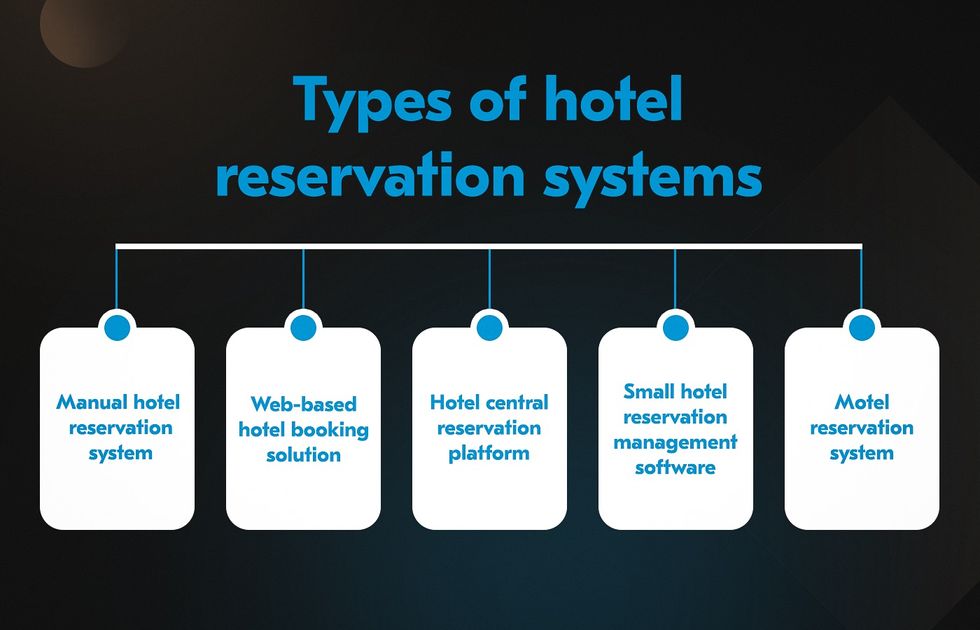
Various types of hotel reservation programs cater to diverse needs and functionalities. Online booking platforms, accessible via websites and mobile apps, enable direct guest interaction and booking. Property management systems (PMS) are integrated reservation and operational management tools within a hotel’s internal systems. These systems often incorporate features like inventory management, guest history tracking, and reporting. Channel management systems (CMS) allow hotels to distribute inventory across various online travel agencies (OTAs), maximizing reach and bookings.
Evolution of Hotel Reservation Technology

The evolution of hotel reservation technology is characterized by a progression from manual systems to sophisticated online platforms. Early systems relied on paper-based methods, leading to errors and inefficiencies. The advent of computers and the internet revolutionized the process, enabling online booking and real-time availability updates. This evolution has increased transparency and convenience for guests while providing hotels with advanced data analysis tools for strategic decision-making. Examples include the rise of user-friendly online booking platforms like Booking.com and Expedia, which have fundamentally reshaped how travelers book accommodations.
Components of a Typical Hotel Reservation Program
The following table articulates the key components of a typical hotel reservation program, their descriptions, and their functions:
| Component Name | Description | Function |
|---|---|---|
| Guest Information Management | Stores and manages guest details, including contact information, preferences, and booking history. | Facilitates personalized services and improves customer relationship management (CRM). |
| Room Availability Management | Tracks and updates room availability in real-time. | Ensures accurate representation of available rooms and prevents double-booking. |
| Booking Engine | Allows guests to browse, select, and book rooms online. | Provides a user-friendly interface for online bookings and facilitates efficient transaction processing. |
| Payment Processing | Handles secure payment transactions for bookings. | Manages secure online payments, ensuring accurate financial records and transactions. |
| Communication Tools | Facilitates communication between hotels and guests. | Enables timely confirmations, updates, and correspondence regarding bookings. |
| Reporting and Analytics | Generates reports and analyses on booking trends, guest behavior, and operational performance. | Provides data-driven insights to optimize hotel operations and marketing strategies. |
Benefits and Drawbacks of Hotel Reservation Programs
Hotel reservation programs are crucial for modern hospitality businesses. They streamline the booking process, enhance guest experience, and provide valuable data for strategic decision-making. However, implementing these systems involves careful consideration of potential advantages and disadvantages. Choosing the right system is essential for optimal performance and long-term success.
Implementing a hotel reservation system offers significant advantages in terms of efficiency and revenue generation. These systems often integrate with various other hotel operations, reducing manual tasks and minimizing errors. Effective integration translates to streamlined workflows and improved overall efficiency.
Advantages of Implementing Hotel Reservation Programs
A well-designed reservation program offers numerous advantages. These systems enhance operational efficiency through automation, reducing manual effort and minimizing errors in handling bookings. They also provide a centralized platform for managing guest information, simplifying access to critical data for improved decision-making. Furthermore, these programs frequently offer tools for dynamic pricing and revenue management, which are vital for optimizing profitability.
- Enhanced Efficiency: Automation of tasks like booking confirmations, guest communication, and inventory management significantly reduces the workload on staff. This frees up resources for other important aspects of hotel operations, such as customer service and maintenance.
- Improved Revenue Generation: Advanced features like dynamic pricing, revenue management tools, and targeted marketing campaigns can increase revenue by optimizing pricing strategies and maximizing occupancy rates.
- Enhanced Guest Experience: Online booking platforms and mobile apps provide guests with convenient access to information and booking options, leading to a smoother and more satisfying experience.
- Data-Driven Insights: Reservation systems collect valuable data on guest preferences, booking patterns, and market trends. This data can be analyzed to understand customer behavior and optimize hotel strategies for improved performance.
Potential Drawbacks of Hotel Reservation Programs

While hotel reservation programs offer numerous benefits, they also present potential drawbacks. Careful consideration of these issues is critical before implementation. One key consideration is the complexity of integration with existing hotel systems, potentially requiring significant adjustments to existing workflows. Also, initial setup costs, training, and maintenance expenses can be substantial.
- Integration Complexity: Integrating a new reservation system with existing hotel management software, point-of-sale systems, and other applications can be complex and time-consuming. Careful planning and thorough testing are crucial to ensure seamless integration and minimize disruptions to existing operations.
- Initial Setup Costs: Implementation costs, including software licenses, customization fees, and training for staff, can be substantial, especially for larger hotels. Return on investment (ROI) calculations should be carefully evaluated before committing to a new system.
- Maintenance and Support: Ongoing maintenance, support, and updates for the reservation system are necessary. The cost of these services should be factored into the overall budget.
- Data Security Concerns: Protecting sensitive guest data is paramount. Robust security measures are essential to prevent unauthorized access and ensure compliance with data privacy regulations.
Comparison of Different Hotel Reservation Systems
Various hotel reservation systems exist, each with its own set of strengths and weaknesses. Choosing the right system depends on specific hotel needs and priorities. For example, a small boutique hotel might benefit from a simpler system, while a large chain hotel might require a more comprehensive solution.
| Reservation System Type | Advantages | Disadvantages |
|---|---|---|
| Online Booking Engines (OBEs) | Easy to use, wide reach, cost-effective for small to medium hotels, and integration with payment gateways. | Limited customization, potentially less control over pricing and inventory management, and might not have advanced reporting features. |
| Centralized Reservation Systems (CRS) | Better control over inventory and pricing, more sophisticated reporting and analytics, suitable for large hotel chains, and global reach. | Higher initial setup costs, complex integration with existing systems, need for dedicated staff for management. |
| Property Management Systems (PMS) | Comprehensive suite of hotel operations, including reservations, integrated with other departments like housekeeping and front desk, detailed reporting, and analytics. | More complex to implement and manage, potentially high cost, specialized expertise needed for management. |
Features and Functionality
A comprehensive hotel reservation program is more than just a booking engine; it’s a sophisticated system that manages the entire guest experience, from initial inquiry to final departure. This section delves into the essential and advanced features, highlighting the impact on both the hotel and the guest.
Modern hotel reservation systems are designed to streamline operations, enhance guest satisfaction, and maximize revenue. Key features encompass online booking, room inventory management, and guest communication, alongside advanced tools like real-time availability and dynamic pricing. The functionalities extend from check-in/check-out to secure payment processing, demonstrating the program’s importance in the hospitality industry.
Essential Features
Hotel reservation programs must offer fundamental features for efficient operation. These features are crucial for seamless guest interactions and streamlined internal processes.
- Online Booking: This is a cornerstone feature, enabling guests to browse room options, select dates, and complete reservations directly through the system. This significantly expands the reach of the hotel’s services and facilitates 24/7 booking access.
- Room Inventory Management: Accurate and up-to-the-minute tracking of available rooms is vital. The system must allow for real-time updates on room occupancy, ensuring that accurate information is presented to potential guests. This feature directly impacts revenue management and minimizes overbooking.
- Guest Communication Tools: Effective communication is paramount. The system should allow hotels to send confirmations, reminders, and other important messages to guests. Integration with email and SMS platforms is a must for timely and efficient communication.
Advanced Features
Modern hotel reservation systems offer a suite of advanced features to enhance efficiency and profitability.
- Real-Time Availability Updates: This crucial feature dynamically updates room availability as reservations are made. This ensures that guests are presented with the most accurate and current room options, minimizing the chances of disappointment.
- Dynamic Pricing Strategies: These systems allow for adjusting room rates based on demand, seasonality, and other factors. Hotels can optimize revenue by adjusting prices in real-time, leading to better revenue generation and increased profitability. For example, a hotel might offer discounted rates during the off-season to attract more bookings.
- Loyalty Program Integration: Integrating loyalty programs into the reservation system allows for seamless recognition and reward of repeat customers. This feature strengthens customer relationships and encourages repeat business.
Functionalities
The comprehensive functionalities of a hotel reservation program cover the entire guest journey.
- Guest Check-in/Check-out: Automated check-in and check-out processes streamline the guest experience and reduce staff workload. This feature can also include mobile check-in options for increased convenience.
- Payment Processing: Secure payment processing is essential for managing transactions. The system should support various payment methods and ensure compliance with industry standards for financial security.
Feature Overview Table
This table Artikels key features of a hotel reservation program, their descriptions, and the impact they have on users.
| Feature | Description | User Impact |
|---|---|---|
| Online Booking | Allows guests to browse, select, and book rooms online. | Increased convenience and accessibility for guests; enhanced booking flexibility. |
| Room Inventory Management | Tracks available rooms in real-time, preventing overbooking and ensuring accurate information. | Accurate room availability for guests; reduced manual work for staff. |
| Real-Time Availability Updates | Dynamically updates room availability as reservations are made. | Improved accuracy in room selection for guests; reduced possibility of errors. |
| Guest Communication Tools | Facilitates communication between hotels and guests through confirmations, reminders, and other messages. | Enhanced guest experience through timely and clear communication; improved efficiency in customer service. |
| Dynamic Pricing Strategies | Adjusts room rates based on demand, seasonality, and other factors. | Optimized revenue generation for hotels; potential for increased profitability. |
| Loyalty Program Integration | Integrates loyalty programs for recognizing and rewarding repeat customers. | Enhanced customer loyalty and repeat business for hotels; increased customer satisfaction. |
Integration and Implementation
Integrating a hotel reservation program seamlessly into existing operations is crucial for a smooth transition and optimal performance. Careful planning and execution are essential to minimize disruption and maximize the benefits of the new system. This section details the process, from program selection to post-implementation review, to ensure a successful rollout.
Integrating into Existing Operations
A successful integration hinges on understanding the existing hotel operations. This involves analyzing current workflows, identifying potential bottlenecks, and assessing the compatibility of the chosen reservation program with existing software and hardware infrastructure. Thorough analysis helps determine the best approach for data migration and staff training. Careful consideration of the specific needs and workflows within the hotel is critical. For example, a boutique hotel with a personalized service approach will likely need a different integration strategy compared to a large chain hotel with standardized processes.
Implementing a New Hotel Reservation Program
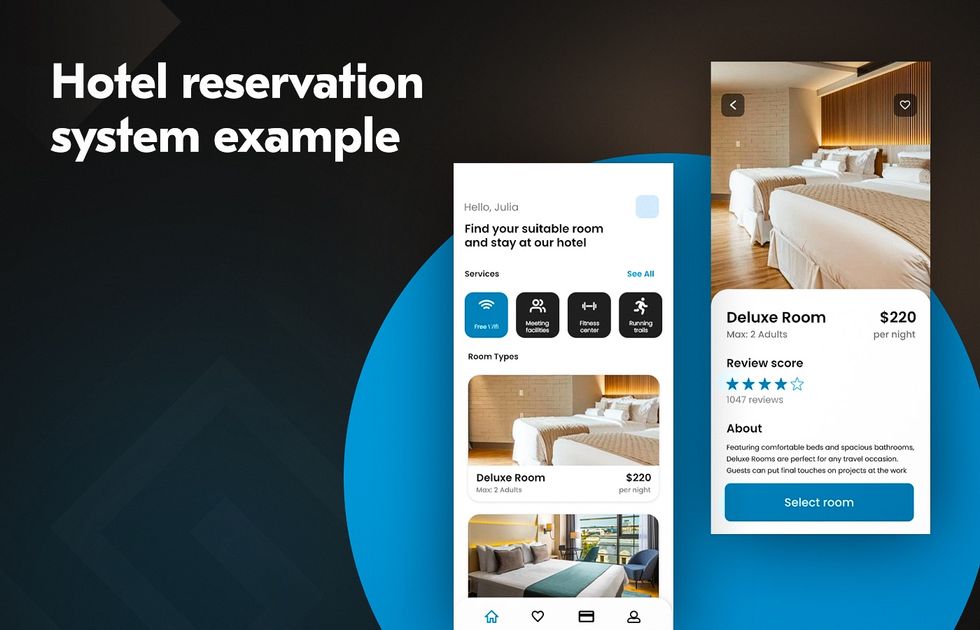
Implementation follows a structured approach, ensuring a smooth transition. The process begins with detailed planning, encompassing system selection, staff training, data migration, and go-live strategies. Post-implementation, a thorough review is essential for assessing performance, identifying areas for improvement, and ensuring the program aligns with evolving needs. A phased approach to implementation is often recommended, allowing for adjustments and testing along the way.
Selecting a Suitable Hotel Reservation Program
Selecting the right hotel reservation program is critical. A systematic approach ensures the chosen program aligns with the hotel’s specific needs and long-term goals. This includes evaluating the program’s features, functionality, scalability, and compatibility with existing systems. The evaluation should consider factors such as price, support, and future upgrade paths. A clear comparison of different programs based on these criteria will allow for informed decision-making.
Step-by-Step Integration Guide
| Step | Description | Timeline |
|---|---|---|
| 1. Needs Assessment | Identify current operational inefficiencies and desired improvements. Define specific requirements for the reservation program. | 2-4 weeks |
| 2. Software Selection | Research and evaluate various hotel reservation programs based on the needs assessment. Compare pricing, features, and vendor support. | 4-6 weeks |
| 3. System Configuration | Configure the chosen program to meet the hotel’s specific needs. This may include customizing settings, creating user accounts, and setting up payment gateways. | 2-4 weeks |
| 4. Data Migration | Transfer existing reservation data to the new system, ensuring accuracy and completeness. Develop a robust data validation process. | 4-6 weeks |
| 5. Staff Training | Provide comprehensive training to staff on using the new reservation program. Implement hands-on sessions and ongoing support. | 2-4 weeks |
| 6. Testing and Quality Assurance | Thoroughly test the new system to identify and resolve any issues before the go-live date. Perform stress tests and simulate real-world scenarios. | 2-4 weeks |
| 7. Go-Live | Execute the implementation plan and transition to the new reservation program. Monitor system performance and address any immediate issues. | 1 week |
| 8. Post-Implementation Review | Evaluate the program’s performance and identify areas for improvement. Gather feedback from staff and guests. | Ongoing |
Future Trends and Innovations: Hotel Reservation Programs
The hotel reservation landscape is constantly evolving, driven by technological advancements and shifting guest expectations. This evolution necessitates a proactive approach to adapting and innovating reservation programs to maintain a competitive edge and enhance both the guest experience and operational efficiency. Emerging trends are reshaping how hotels interact with potential and existing customers.
AI-Powered Personalization
AI algorithms are increasingly being utilized to personalize the hotel reservation experience. These systems analyze vast amounts of data, including guest preferences, past bookings, and online behavior, to tailor recommendations and offers. This targeted approach can lead to higher conversion rates and more satisfied guests. For example, a hotel might use AI to recommend specific amenities or packages based on a guest’s previous stays or online browsing history.
Mobile-First Experiences
The growing prevalence of mobile devices has driven the need for seamless mobile-first reservation experiences. Hotels are increasingly focusing on developing intuitive mobile apps and websites that allow guests to easily browse, book, and manage their reservations. This approach prioritizes convenience and accessibility, enabling guests to complete tasks on the go. Mobile-first design allows for real-time updates on bookings, facilitating quicker responses to guest queries.
Improved User Experience
Advancements in user interface (UI) and user experience (UX) design are improving the overall booking process. Intuitive navigation, interactive maps, and virtual tours are examples of how technology is enhancing the guest experience. A user-friendly interface not only streamlines the booking process but also creates a positive first impression of the hotel. Furthermore, interactive 3D tours and virtual reality (VR) experiences can showcase the hotel’s amenities and location, increasing guest engagement and trust.
Operational Efficiency Enhancements
Emerging technologies are streamlining hotel operations, optimizing resource allocation, and reducing manual processes. Predictive analytics can forecast demand, allowing hotels to adjust staffing levels and inventory proactively. Automated check-in and check-out procedures are also gaining popularity, reducing wait times and improving the guest experience. This efficiency not only enhances guest satisfaction but also improves profitability by optimizing operational costs.
Table of Future Trends in Hotel Reservation Programs
| Trend | Description | Potential Impact |
|---|---|---|
| AI-Powered Personalization | Utilizing AI algorithms to analyze guest data and tailor recommendations and offers. | Increased conversion rates, higher guest satisfaction, and improved revenue generation. |
| Mobile-First Experiences | Prioritizing the development of intuitive mobile apps and websites for reservation management. | Enhanced accessibility, convenience, and real-time booking management for guests. |
| Improved User Experience | Implementing user-friendly interfaces, interactive maps, and virtual tours to enhance guest engagement. | Positive first impressions, increased guest satisfaction, and reduced booking friction. |
| Operational Efficiency Enhancements | Utilizing technology to streamline operations, optimize resource allocation, and reduce manual processes. | Reduced operational costs, improved profitability, and increased staff efficiency. |
Security and Privacy Considerations

Source: innroad.com
Protecting guest data is paramount in hotel reservation programs. The sensitive nature of personal information necessitates robust security measures to safeguard guest details and maintain trust. Failure to prioritize data security can result in significant reputational damage and legal repercussions.
Implementing comprehensive security protocols and adhering to data protection regulations is crucial for building and maintaining a strong brand image and fostering customer confidence.
Importance of Data Security
Maintaining the confidentiality, integrity, and availability of guest data is essential for the smooth operation and success of hotel reservation programs. Compromised data can lead to financial losses, legal liabilities, and a tarnished reputation. Guests are more likely to choose hotels that demonstrate a commitment to data security. The financial implications of a data breach can be substantial, including fines, legal fees, and lost revenue.
Measures to Protect Sensitive Guest Information
Several measures can bolster the security of sensitive guest data within reservation systems. Implementing robust encryption protocols, including Transport Layer Security (TLS), ensures that data transmitted between the guest and the hotel’s system is protected from unauthorized access. Employing strong passwords and multi-factor authentication further enhances security. Regular security audits and penetration testing identify vulnerabilities and address potential threats before they materialize. Employee training on data security best practices is vital in preventing accidental breaches.
Compliance Requirements for Data Protection, Hotel Reservation Programs
Adherence to data protection regulations, such as the General Data Protection Regulation (GDPR) and the California Consumer Privacy Act (CCPA), is mandatory for hotels operating reservation programs. These regulations specify requirements for data collection, storage, and use. Hotels must ensure compliance by obtaining explicit consent for data collection, providing clear data usage policies, and enabling guest data access and control. These requirements can vary depending on the jurisdiction.
Examples of Security Breaches and Mitigation Strategies
Numerous instances of security breaches in hotel reservation systems highlight the need for proactive measures. Breaches often involve vulnerabilities in the system’s architecture, inadequate access controls, or insufficient security training for employees. A common vulnerability is weak password policies. To mitigate these risks, hotels should implement multi-factor authentication, conduct regular security audits, and invest in advanced security technologies. The security protocols should be consistently updated to match evolving threats. By understanding the types of breaches and their potential causes, hotels can proactively implement measures to reduce risks.
- Weak Passwords: Using easily guessed passwords is a common vulnerability. Implementing complex password requirements and encouraging frequent password changes are crucial preventative measures.
- Phishing Attacks: Phishing emails that trick guests into revealing their login credentials or personal information are a common threat. Educating staff and guests about phishing techniques and implementing email security filters can minimize the impact of these attacks.
- Vulnerable Software: Using outdated or unpatched software can leave systems exposed to known vulnerabilities. Regular software updates and patches are essential for maintaining system integrity.
Customer Experience Enhancement
Hotel reservation programs offer a significant opportunity to elevate the guest experience, transforming a mere transaction into a positive and memorable interaction. By focusing on seamless booking processes, personalized recommendations, and proactive communication, hotels can cultivate loyal customers and drive repeat business. Effective programs provide a platform for hotels to connect with guests on a deeper level, fostering a sense of anticipation and satisfaction from the initial booking to the final departure.
A well-designed hotel reservation program can significantly enhance the customer journey, creating a positive and memorable experience from start to finish. This involves more than just facilitating bookings; it necessitates a thoughtful approach to every touchpoint, ensuring a smooth and enjoyable process for the guest. Personalized recommendations and proactive communication are crucial components in achieving this goal. Intuitive interfaces and seamless navigation are also key elements in making the booking and stay experience as easy and enjoyable as possible.
Personalized Recommendations and Proactive Communication
Personalized recommendations, based on guest preferences and past bookings, can significantly enhance the guest experience. These recommendations might include suggestions for local attractions, dining options, or special offers tailored to the guest’s interests. Proactive communication, such as sending pre-arrival information, travel tips, and special offers, can further improve customer satisfaction. This proactive communication helps to anticipate guest needs and provides valuable insights, making the entire experience feel more personalized and attentive. For example, a hotel could send a personalized itinerary suggesting local restaurants and attractions based on the guest’s stated interests during the booking process.
User-Friendly Interfaces and Intuitive Navigation
User-friendly interfaces and intuitive navigation are critical for a positive customer experience. The platform should be easy to use, allowing guests to effortlessly browse available rooms, view amenities, and complete bookings. A clear and concise layout, along with helpful search filters and intuitive navigation, will streamline the process and reduce frustration. Visual cues, such as clear call-to-action buttons and visually appealing imagery, further enhance the user experience. For example, a simple interface with clear room descriptions, high-quality images, and interactive maps of the hotel and surrounding area can dramatically improve the customer experience.
Methods to Improve Customer Experience During the Booking Process
A seamless booking process is crucial for a positive customer experience. Providing clear and concise information about room types, amenities, and pricing is essential. Offering multiple booking options, including the ability to pay via various methods, is beneficial. Implementing a system that allows guests to easily track their booking status, modify details, or cancel bookings will increase their confidence and ease of mind.
- Clear and Concise Information: Providing detailed descriptions of room types, amenities, and pricing options in a straightforward and easily understandable manner is paramount.
- Multiple Booking Options: Offering various payment methods and flexible booking windows enhances the guest’s experience and makes the process more accommodating.
- Booking Status Tracking: Implementing a system that allows guests to monitor their booking status, modify details, or cancel bookings with ease and transparency builds confidence and minimizes stress.
- Customer Support Channels: Offering readily accessible customer support channels, such as live chat, email, or phone, allows guests to address concerns or queries promptly.
- Security and Privacy: Implementing robust security measures and clearly outlining privacy policies instills trust and confidence in guests.
- Mobile-Friendly Design: A responsive website design that adapts seamlessly to different devices, ensuring an optimal experience on smartphones and tablets, is critical in today’s mobile-first world.
Final Summary
In conclusion, hotel reservation programs are more than just tools; they are integral components of modern hospitality. From streamlining operations to enhancing customer satisfaction, these programs are crucial for success in the industry. The future of these programs is poised for innovation, with AI-driven personalization and mobile-first experiences becoming increasingly important. By understanding the evolution, features, and potential pitfalls of these systems, hotels can leverage their full potential to achieve optimal performance and growth.