Hotel Payment System A Modern Approach
Hotel payment systems are evolving rapidly, from traditional cash transactions to sophisticated online and mobile payment options. This system now handles everything from reservations and room charges to refunds and cancellations, making the guest experience smoother and more efficient. Understanding the various payment methods, security protocols, and integration strategies is crucial for modern hospitality businesses.
The different types of hotel payment systems, including online, point-of-sale, and mobile, each offer unique advantages and disadvantages. The evolution of payment methods, from historical practices to contemporary mobile wallets, is clearly illustrated in the included table. This evolution reflects the growing need for secure, convenient, and efficient payment processes in the hospitality industry.
Introduction to Hotel Payment Systems

Hotel payment systems are crucial for the smooth operation of hotels, facilitating secure and efficient transactions for guests and the establishment. These systems encompass a wide range of functions, from processing reservations and payments to managing refunds and handling various payment methods. Modern systems have evolved significantly, enhancing the guest experience and streamlining hotel operations.
The diverse range of hotel payment systems reflects the evolving needs of the hospitality industry and its clientele. These systems cater to the varied preferences and expectations of travelers, offering choices in how they make payments. This evolution has not only improved efficiency but has also significantly impacted the customer experience, particularly with the rise of mobile payment options.
Key Functions of Hotel Payment Systems
Hotel payment systems perform numerous tasks beyond simply accepting payments. They manage guest accounts, track reservations, and facilitate the processing of room charges, incidentals, and other expenses. Effective systems also provide detailed transaction histories, enabling hotels to monitor revenue and manage expenses effectively. They often integrate with other hotel management systems, streamlining the entire operation.
Types of Hotel Payment Systems
Different types of hotel payment systems cater to various needs and operational models. Online payment systems, prevalent in today’s digital landscape, allow guests to make payments securely and conveniently from their devices. Point-of-sale (POS) systems, traditionally used in hotels, provide an immediate payment processing option at the check-in or checkout counter. Mobile payment systems, leveraging smartphones and tablets, offer a streamlined and contactless payment experience for guests. The choice of system often depends on the hotel’s size, budget, and technological infrastructure.
Supported Payment Methods
Modern hotel payment systems offer a variety of payment options to accommodate diverse guest preferences. Credit cards, debit cards, and digital wallets are commonly supported. The widespread adoption of mobile payment methods like Apple Pay and Google Pay has revolutionized the way guests pay for their accommodations. The flexibility of payment methods contributes significantly to a positive guest experience, fostering trust and convenience.
Evolution of Hotel Payment Systems
| Era | Payment Methods | Description |
|---|---|---|
| Pre-1990s (Early Stages) | Cash, Checks | Guest payments were primarily conducted in cash or by check. Hotels relied on manual processes for recording transactions. |
| 1990s – 2000s (Emergence of Technology) | Credit Cards, Early POS Systems | Credit cards became more common, alongside the introduction of basic POS systems for processing payments. These systems offered improved efficiency compared to manual methods. |
| 2010s – Present (Digital Revolution) | Credit Cards, Debit Cards, Mobile Wallets, Online Payments | The integration of online payment gateways and mobile wallets has revolutionized how hotels handle payments. Guest experience has significantly improved with increased convenience and security. |
Functionality and Features
A robust hotel payment system is crucial for efficient operations and a positive guest experience. It needs to seamlessly manage various transactions, ensuring accuracy and security. This section details the essential functionalities and features of such a system.
A well-designed system streamlines the entire payment process, from initial reservation to final settlement, while minimizing errors and maximizing revenue generation. This is achieved by integrating various functionalities that cover all aspects of guest interactions.
Essential Functionalities
A comprehensive hotel payment system should encompass a broad range of functionalities. These include secure processing of various payment methods, real-time updates on transactions, and automated reconciliation of transactions. The system should be integrated with the hotel’s reservation and accounting systems for streamlined data flow.
Reservation Handling
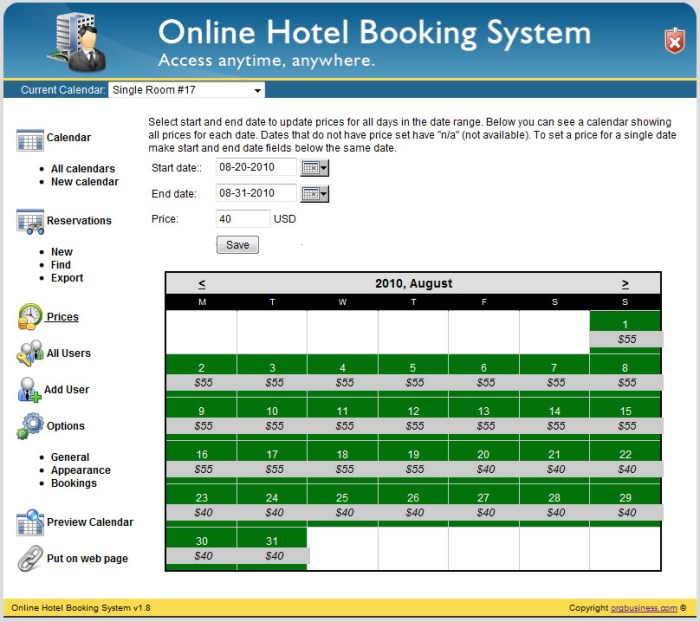
Accurate and timely reservation management is critical for a smooth guest experience. The system should allow for secure online booking and automatic updates to room availability. It should track reservation details, including payment status, guest information, and any special requests. This ensures all reservation data is readily available and up-to-date for all relevant departments.
Room Charges and Guest Accounts
Managing room charges effectively is essential. The system should automatically calculate room rates, taxes, and any applicable fees. It should allow for adjustments and modifications to charges in a controlled and secure manner. A comprehensive guest account feature is important, providing a clear history of all transactions and allowing guests to view and manage their account information.
Refunds, Cancellations, and Payments Processing
Efficient handling of refunds and cancellations is crucial for guest satisfaction. The system should allow for the processing of refunds quickly and accurately, adhering to the hotel’s policies and procedures. It should also support various cancellation options and provide clear communication to the guest regarding the cancellation process and any associated fees. The system should also handle various payment methods, such as credit cards, debit cards, and online wallets.
Guest Preferences
A modern payment system should recognize and cater to guest preferences. This includes offering a range of payment methods, like credit cards, debit cards, mobile wallets, and digital payment platforms, to meet the evolving needs of guests. Implementing loyalty programs allows for personalized discounts and rewards, fostering repeat business.
Payment Gateway Integration
Different approaches to payment gateway integration have varying benefits and drawbacks. The choice depends on the specific needs and priorities of the hotel.
| Integration Method | Pros | Cons |
|---|---|---|
| Direct Integration | High security, complete control, and direct access to payment data. | Complex setup and maintenance require significant technical expertise. |
| Third-party API | Easy setup, readily available support, and often lower initial costs. | Potentially lower security, limited control over payment processing, and potential for increased transaction fees. |
| Hybrid Approach | Combines the benefits of direct and third-party solutions. | May require more complex configuration and management. |
Security Considerations
Hotel payment systems are entrusted with sensitive financial data, necessitating robust security measures to safeguard customer information and prevent fraudulent activities. Compromising this security can lead to substantial financial losses for both the hotel and its guests, impacting trust and reputation.
Implementing comprehensive security protocols and adhering to industry best practices are crucial for mitigating risks and ensuring secure transactions. This involves a multi-faceted approach that encompasses various layers of protection, from data encryption to secure storage and regular security audits.
Security Vulnerabilities
Payment systems, regardless of the platform, face various potential vulnerabilities. These vulnerabilities often stem from weaknesses in software, hardware, or the overall system design. Common vulnerabilities include insufficient data encryption, inadequate access controls, and flaws in the transaction processing logic. These weaknesses can leave sensitive data susceptible to unauthorized access, modification, or deletion.
Potential Threats and Risks
Numerous threats and risks can exploit vulnerabilities in hotel payment systems. Examples include malicious attacks like phishing scams, where fraudulent emails or websites mimic legitimate hotel payment portals to steal credentials. Malware infections can compromise systems, granting unauthorized access to payment information. Insider threats, where employees with access to the system misuse their privileges, also pose a significant risk. Denial-of-service attacks can disrupt payment processing, causing inconvenience and potentially financial loss.
Security Protocols and Measures
Implementing strong security protocols is paramount to protecting sensitive data. These protocols include employing robust encryption algorithms like AES (Advanced Encryption Standard) to protect data in transit and at rest. Implementing multi-factor authentication (MFA) adds an extra layer of security by requiring multiple verification methods before granting access. Regular security audits and penetration testing help identify vulnerabilities and ensure the system’s resilience against potential attacks.
Data Encryption and Secure Storage, Hotel payment system

Data encryption is a fundamental security measure. Encrypting sensitive data both during transmission and storage significantly reduces the risk of unauthorized access. Secure storage solutions, like secure servers and encrypted databases, are critical to prevent unauthorized access and ensure data integrity. Compliance with industry standards, like PCI DSS (Payment Card Industry Data Security Standard), demonstrates a commitment to robust security practices.
Best Practices for Protecting Customer Data
Protecting customer data during transactions involves a multifaceted approach. Regularly updating software and security patches is crucial to address known vulnerabilities. Implementing strong password policies and access controls restricts unauthorized access to sensitive data. Employee training on security awareness and best practices is essential to mitigate insider threats. Implementing fraud detection systems to identify and prevent fraudulent transactions significantly reduces financial losses.
Comparison of Security Measures Across Hotel Payment Systems
| Hotel Payment System | Encryption Method | Authentication Protocol | Data Storage Security | Fraud Detection |
|---|---|---|---|---|
| System A | AES-256 | Multi-Factor Authentication (MFA) | Secure Server with encryption | Real-time monitoring and transaction analysis |
| System B | 3DES | Single-factor authentication | Standard server | Limited fraud detection |
| System C | AES-256 | Multi-Factor Authentication (MFA) | Secure Server with encryption | Advanced AI-powered fraud detection |
This table contrasts various security measures used by different hotel payment systems. Note that the effectiveness of these measures depends on factors such as implementation quality, regular updates, and adherence to industry best practices.
Integration with Other Systems
Hotel payment systems are not isolated entities; their effectiveness hinges on seamless integration with other hotel management systems. This integration streamlines operations, improves efficiency, and ultimately enhances the guest experience. A well-connected system allows for a smooth flow of information, from reservations to payments to loyalty program rewards, boosting overall hotel performance.
Integration with Property Management Systems (PMS)
Effective integration with a hotel’s PMS is crucial for accurate data exchange. This ensures that guest information, room availability, and booking details are readily accessible to the payment system. Real-time synchronization prevents discrepancies and facilitates efficient processing of payments associated with specific bookings. This also allows for automated updates on room status and availability, directly impacting the reservation process.
Integration with Reservation Systems
Integrating the payment system with the hotel’s reservation system allows for automatic reservation processing and payment authorization. This integration reduces manual intervention, minimizes errors, and expedites the check-in process. For example, a guest making a reservation online can complete the payment immediately, ensuring the reservation is confirmed without delays.
Integration with Point-of-Sale (POS) Systems
Integration with POS systems enables seamless handling of various transactions, such as room service charges, minibar purchases, and other in-house services. The system can automatically record these charges and apply appropriate payment methods. This avoids manual data entry and minimizes the risk of errors.
Integration with Loyalty Programs
Integrating with loyalty programs allows for automatic application of rewards and discounts to guest accounts. This integration can be implemented in multiple ways, such as automatically applying points earned on previous stays to current transactions or offering exclusive discounts to loyalty members. For instance, a frequent guest might receive a discount on their room rate or complimentary amenities, enhancing their overall experience.
Table of Integration Approaches and Benefits
| Integration Approach | Benefits |
|---|---|
| Real-time data synchronization with PMS | Reduced data entry errors, improved accuracy, enhanced operational efficiency |
| Automated payment authorization with reservation systems | Faster check-in, minimized manual intervention, reduced transaction delays |
| Automated recording of in-house charges with POS systems | Reduced errors in billing, improved accuracy in financial reporting, and enhanced guest service |
| Automatic application of loyalty program benefits | Increased guest satisfaction, improved brand loyalty, enhanced customer retention |
User Interface and Experience

Source: kxcdn.com
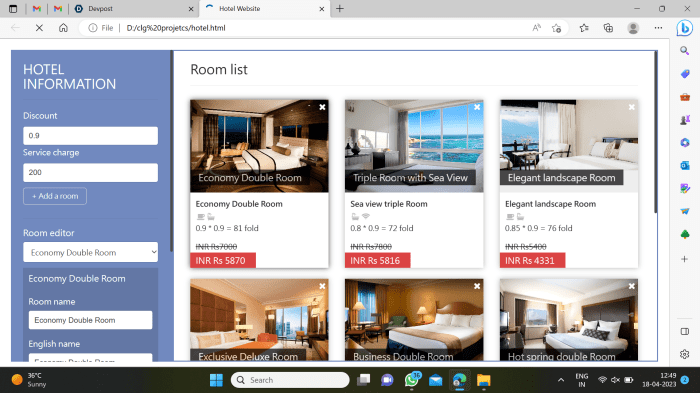
A well-designed user interface (UI) and user experience (UX) are critical for a successful hotel payment system. A smooth and intuitive interface for both guests and staff reduces frustration and enhances the overall guest experience. This section details considerations for designing such a system.
Effective UI/UX design streamlines the payment process, ensuring guests and staff can easily navigate the system. Clear visual cues, concise language, and logical flow are paramount. The interface should be adaptable to different devices, ensuring seamless access across various platforms.
Design Considerations for the User Interface
The UI design should prioritize ease of use and efficiency. This involves considering the needs of different user roles and the overall workflow of the payment process. Key aspects include intuitive navigation, clear labeling of elements, and visual feedback for actions. Accessibility is also a crucial consideration, ensuring the system is usable for individuals with disabilities.
Intuitive User Interfaces for Different User Roles
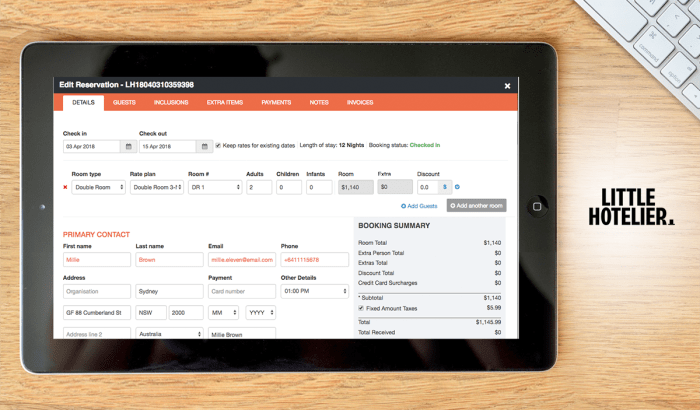
For front desk staff, the interface should be designed for quick and accurate data entry. Features like pre-populated fields, automated calculations, and streamlined workflows should be implemented. The interface should also provide a clear overview of guest accounts, payments, and outstanding balances.
For guests, the interface should be straightforward and visually appealing. Clear instructions, visual cues, and secure payment options are essential. A simple process for selecting payment methods, viewing receipts, and managing accounts is vital.
Importance of Clear and Concise Language
Using clear and concise language throughout the system is paramount. Avoid jargon and overly technical terms. Instead, use simple, easily understandable language to guide users through the process. Instructions and prompts should be clear, concise, and readily understandable. Consider the cultural context of the hotel’s clientele when choosing language.
Best Practices for Designing a User-Friendly Interface
The UI should be consistent across all screens and pages. Using consistent design elements, such as colors, fonts, and button styles, will create a cohesive and familiar experience. Provide ample visual feedback, such as loading indicators and confirmation messages, to keep users informed about the system’s progress.
UI/UX Design Elements Enhancing the Guest Experience
| Design Element | Description | Impact on Guest Experience |
|---|---|---|
| Clear and Concise Instructions | Detailed but simple steps for completing payment transactions. | Reduces confusion and frustration, improves user confidence. |
| Visual Cues | Using color-coding, icons, and animations to highlight key information and actions. | Improves navigation, draws attention to important elements, making the system more intuitive. |
| Secure Payment Options | Offering multiple secure payment methods (credit cards, mobile wallets, etc.). | Provides flexibility, caters to diverse preferences, and builds trust. |
| Progress Indicators | Showing progress bars or loading animations during payment processing. | Reduces anxiety and keeps the user informed, enhancing user satisfaction. |
| Accessibility Features | Supporting various screen readers and keyboard navigation. | Ensures inclusivity, making the system usable for guests with disabilities. |
Future Trends and Innovations
Hotel payment systems are constantly evolving, driven by technological advancements and changing guest expectations. These advancements are reshaping the hospitality industry, offering new opportunities for enhanced efficiency, security, and guest experience. The integration of innovative technologies promises to transform how hotels manage payments, ultimately leading to a more streamlined and satisfying experience for both staff and guests.
The future of hotel payment systems is characterized by an increasing emphasis on mobile-first solutions, contactless transactions, and the integration of artificial intelligence (AI). These technologies are streamlining processes, enhancing security, and providing a more personalized experience for guests. Furthermore, these developments are impacting the entire hospitality industry, driving a paradigm shift in the way hotels operate and interact with their customers.
Emerging Trends in Hotel Payment Systems
Several significant trends are shaping the future of hotel payment systems. These include a shift towards mobile-first solutions, greater reliance on contactless payment methods, and the growing adoption of AI-powered payment processing. These advancements are designed to make transactions smoother, more secure, and more convenient for all parties involved.
Potential of Mobile Payment Solutions and Contactless Transactions
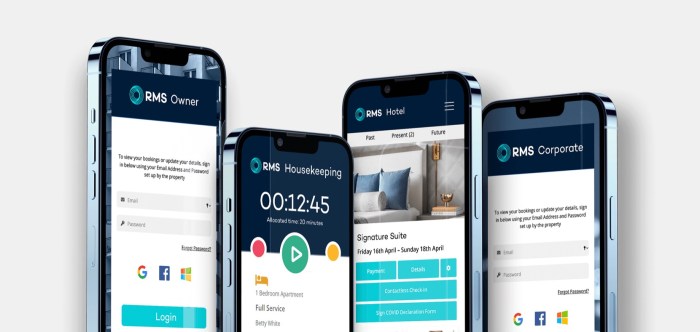
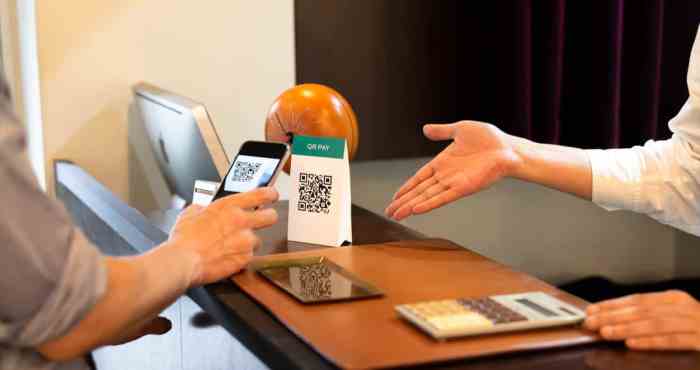
Mobile payment solutions are rapidly gaining traction in the hospitality sector. This trend is driven by the desire for convenience, ease of use, and enhanced security for guests. Contactless transactions, facilitated by technologies like near-field communication (NFC), are becoming increasingly common, allowing for faster and more efficient check-ins and check-outs. The integration of these solutions minimizes friction points in the payment process, creating a more seamless experience. For example, some hotels now allow guests to make pre-authorized payments for room service or other amenities through their mobile device, eliminating the need for cash or physical cards.
Role of Artificial Intelligence in Optimizing Payment Processes
Artificial intelligence (AI) is poised to play a significant role in optimizing hotel payment processes. AI-powered systems can analyze vast amounts of data to identify and mitigate fraud risks, automate payment processing, and personalize the guest experience. For example, AI algorithms can detect unusual transaction patterns, flag potentially fraudulent activities, and provide proactive alerts to hotel staff. This level of intelligent monitoring significantly enhances security and operational efficiency.
Innovative Technologies Transforming the Industry
Several innovative technologies are transforming the hotel industry. These include the development of blockchain-based payment systems, which offer enhanced security and transparency. Moreover, the integration of biometric authentication methods, such as fingerprint or facial recognition, is emerging as a secure and convenient way to manage payments. These technologies contribute to a more efficient, secure, and user-friendly payment process for all involved. For example, a hotel chain might utilize AI-driven chatbots to handle guest inquiries about payment options, resolving queries quickly and efficiently.
Implications on the Future of Hospitality
These trends are profoundly impacting the future of hospitality. The integration of mobile payment solutions and contactless transactions is streamlining operations and improving the guest experience. AI-driven systems are enhancing security and efficiency, while innovative technologies are creating new avenues for personalization and convenience. These changes are transforming the way hotels interact with their customers, ultimately driving greater satisfaction and loyalty.
Potential Future Features and Functionalities
| Feature | Functionality |
|---|---|
| Automated Payment Reconciliation | AI-powered systems automatically reconcile payments, reducing manual errors and improving accounting accuracy. |
| Predictive Fraud Detection | AI algorithms proactively identify and prevent fraudulent transactions, safeguarding both the hotel and the guest. |
| Personalized Payment Options | Systems tailor payment options to individual guest preferences, creating a more customized and convenient experience. |
| Integrated Loyalty Program Management | Payment systems seamlessly integrate with loyalty programs, allowing for automatic points accrual and redemption. |
| Real-time Payment Tracking | Guests can monitor their payment status in real time, enhancing transparency and accountability. |
Payment System Implementation: Hotel Payment System
Source: hostmerchantservices.com
Implementing a hotel payment system effectively is crucial for smooth operations and a positive guest experience. A well-designed and robust system streamlines transactions, reduces errors, and enhances overall efficiency. This section details the key steps involved in successfully implementing a hotel payment system.
Selecting a Payment System
Careful selection of a payment system is paramount. Consider factors such as scalability, security features, integration capabilities, and cost. A thorough evaluation of various options, including cloud-based solutions and on-premise systems, is essential. Consider the hotel’s specific needs, future growth projections, and budget constraints when making the choice.
Configuration and Setup
Proper configuration is vital for a successful system implementation. This involves setting up payment gateways, configuring payment methods supported, and defining transaction limits. Integration with the hotel’s existing reservation and property management systems is critical for seamless data flow. Detailed documentation and support from the payment system provider are crucial during this phase.
Testing Procedures
Thorough testing is essential to identify and resolve potential issues before deploying the new system. Test cases should cover various scenarios, including successful and failed transactions, different payment methods, and various transaction amounts. This testing process should involve both internal and external stakeholders, including hotel staff and potential guests.
Deployment and Training
Deployment involves migrating data, setting up user accounts, and enabling the new payment system for all users. Comprehensive training for hotel staff is necessary to ensure smooth operations and user adoption. Training should cover system functionality, security protocols, and troubleshooting procedures. A phased approach, gradually rolling out the system to different departments or areas, can minimize disruption.
Post-Implementation Support and Maintenance
Ongoing support and maintenance are crucial for a successful payment system. This involves monitoring system performance, addressing any issues, and implementing necessary updates. A clear support process, including contact information and escalation procedures, is important for resolving problems efficiently.
Step-by-Step Implementation Guide
A well-structured implementation process is key to a smooth transition. Consider a phased rollout to minimize disruption.
- Assessment & Planning: Analyze current needs, evaluate potential systems, and develop a detailed implementation plan, outlining timelines, budget, and resource allocation. A thorough needs assessment is crucial for a successful system.
- System Selection: Evaluate various payment processors, considering factors like security, cost, and integration capabilities. Research and compare options to identify the best fit for the hotel’s needs.
- Configuration & Setup: Configure the chosen payment system, integrate with existing hotel systems, and set up payment methods. Detailed configuration ensures smooth transactions.
- Comprehensive Testing: Conduct thorough testing across different scenarios (successful and failed transactions, various payment methods) to identify and fix any bugs before deployment. Thorough testing is critical for preventing issues.
- Phased Deployment: Roll out the system to specific departments or areas gradually, allowing for smooth transition and minimal disruption. Phased deployment reduces risks and provides time for adjustment.
- Staff Training: Provide comprehensive training to hotel staff on the new system’s functionality, security protocols, and troubleshooting procedures. Thorough training minimizes errors and enhances user adoption.
- Post-Implementation Support: Establish a support system, monitor system performance, and address any issues promptly. Ongoing support is vital for a successful system implementation.
Final Summary
In conclusion, a robust hotel payment system is essential for modern hospitality. From the initial implementation and integration with existing systems to the ongoing security measures and user experience, this system directly impacts the guest experience and operational efficiency. Future trends like mobile payments and AI integration promise to further enhance the guest journey and elevate the hospitality sector to new heights. This comprehensive guide offers a detailed look at the various aspects of a modern hotel payment system, highlighting its impact on both the business and its guests.