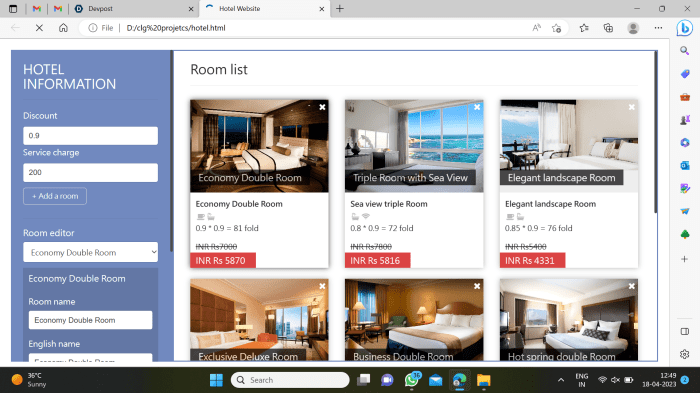
Booking Platforms for Hotels A Deep Dive
Booking platforms for hotels have revolutionized the hospitality industry, transforming how travelers find and book accommodations. From humble beginnings to sophisticated digital ecosystems, these platforms have evolved significantly. Different types of platforms, from metasearch engines to online travel agencies (OTAs), cater to various needs and preferences. Understanding the key factors driving their growth and the features they offer is crucial for both travelers and hoteliers. This exploration dives deep into the world of hotel booking platforms, covering everything from their technological advancements to their business models and impact on the industry.
This overview examines the various aspects of booking platforms for hotels, from their features and functionalities to the impact on the hospitality industry as a whole. The discussion will also explore the key technological advancements that have shaped these platforms, the different business models used, and the competitive landscape within the market. Furthermore, we’ll analyze the user experience, customer satisfaction, and the future of these vital tools.
Introduction to Hotel Booking Platforms

Hotel booking platforms have become an indispensable part of the modern hospitality industry, revolutionizing how travelers find and book accommodations. They connect potential guests with a vast array of hotels worldwide, streamlining the booking process and offering a convenient alternative to traditional methods.
These platforms have evolved significantly from their initial stages, transforming from simple online directories to sophisticated systems that integrate various functionalities, including payment processing, customer reviews, and personalized recommendations. This evolution has been driven by the increasing demand for online travel and the technological advancements that have made it possible to build and maintain these complex platforms.
Evolution of Online Booking Platforms
Online booking platforms have undergone a dramatic transformation since their inception. Early platforms primarily focused on providing basic information about hotels, allowing travelers to browse and compare options. Subsequently, the addition of booking functionality, secure payment gateways, and user-friendly interfaces significantly enhanced the user experience. Today’s platforms often incorporate features like real-time availability checks, personalized recommendations, and integrated customer review systems, leading to a highly interactive and informative booking experience.
Types of Hotel Booking Platforms
Hotel booking platforms can be categorized into several types, each serving a specific function and targeting different user segments. Metasearch engines, such as Kayak or Google Flights, aggregate listings from various sources, allowing users to compare prices and options across multiple online travel agencies (OTAs). OTAs, like Booking.com or Expedia, act as intermediaries, connecting travelers with hotels directly or through a network of hotels. Direct booking platforms, offered by hotels themselves, allow guests to book accommodations without intermediaries, often offering exclusive deals and potentially better rates.
Key Factors Driving Growth
The growth of the hotel booking platform market is fueled by several key factors. The increasing popularity of online travel, driven by the convenience and accessibility of the internet, is a major driver. The rise of mobile devices and sophisticated booking apps has further expanded the reach of these platforms, allowing users to book accommodations on the go. Furthermore, the competitive landscape and the need for hotels to maximize revenue have spurred the adoption of online booking platforms, which provide hotels with increased visibility and access to a global customer base.
Comparison of Platform Types
| Platform Type | Features | Target Audience | Advantages |
|---|---|---|---|
| Metasearch | Compare prices across multiple OTAs and hotels, often with filters for specific criteria. | Budget-conscious travelers, those seeking the best deal, and travelers wanting to quickly compare options. | Easy comparison of rates, comprehensive search results, and convenience for users. |
| OTA | Wide selection of hotels, secure booking process, customer support, and often bundled travel services. | Broad range of travelers, from budget-conscious to luxury seekers, families, and groups. | Global reach, access to a diverse hotel portfolio, a convenient booking experience, and marketing opportunities. |
| Direct Booking | Exclusive deals, potential lower rates compared to OTAs, and direct communication with the hotel. | Loyal customers, those seeking personalized service, frequent travelers, and those seeking potential benefits, such as rewards programs. | Control over brand experience, potential for higher revenue for the hotel, ability to build customer loyalty, and often better communication channels. |
Key Features and Functionality
Source: designrush.com
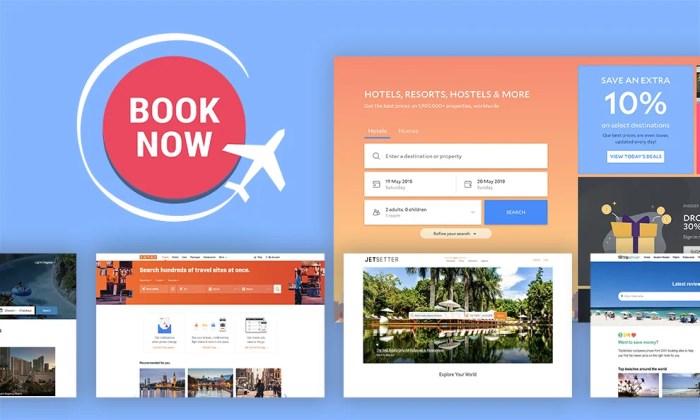
Modern hotel booking platforms have become indispensable tools for both travelers and hoteliers. These platforms offer a wide array of features that streamline the booking process, enhance the guest experience, and provide valuable data for hotels. Understanding these features is crucial for both users and providers seeking optimal results.
Essential Features of Popular Booking Platforms
Popular booking platforms offer a comprehensive suite of features designed to facilitate the entire booking process. These platforms typically provide a user-friendly interface, enabling travelers to easily search, compare, and book accommodations. Crucially, they often integrate with payment gateways, ensuring secure and efficient transactions.
Search Filters and Refinements
Effective search filters are paramount to a positive user experience. They allow travelers to quickly narrow down their options based on specific criteria, such as price range, star rating, amenities, location, and date availability. Advanced search filters often include options for specific guest preferences, like accessibility features or pet-friendly accommodations. This tailored approach makes the search experience more efficient and satisfying. For example, a traveler looking for a romantic getaway might use filters to select only hotels with a view and spa facilities.
Payment Options and Security
Secure and diverse payment options are critical for user confidence. Platforms typically integrate with various payment processors, accepting major credit and debit cards, as well as digital wallets like PayPal and Apple Pay. This ensures a broad range of payment choices, catering to different user preferences and facilitating smooth transactions. The platforms typically employ industry-standard encryption protocols to safeguard sensitive financial data.
Customer Support and Assistance
Robust customer support is essential to address any issues that may arise during the booking process. Many platforms offer multiple channels for customer support, such as email, live chat, and phone support. Prompt and helpful support can significantly impact user satisfaction. For instance, if a user encounters a problem with their booking, efficient support can quickly resolve the issue, fostering a positive experience.
User Interface and Functionality Comparison
Different booking platforms employ varying user interfaces and functionalities. Some platforms may prioritize a simple and intuitive design, while others may offer more advanced features and customization options. The layout and navigation of these platforms significantly influence user experience. A well-structured interface ensures ease of navigation and quick access to the desired information.
Role of User Experience (UX) in Attracting and Retaining Customers
A positive user experience (UX) is critical for attracting and retaining customers. Intuitive navigation, clear information presentation, and seamless booking processes contribute to a positive experience. User-friendly platforms increase customer satisfaction and encourage repeat bookings. Poor UX, on the other hand, can lead to frustration and lost customers.
Platform Features Comparison
| Platform Name | Search Filters | Payment Options | Customer Support |
|---|---|---|---|
| Booking.com | Extensive filters for location, price, amenities, and guest preferences | Multiple payment processors, including major credit cards and digital wallets | 24/7 support via phone, email, and live chat |
| Expedia | Comprehensive search filters covering various criteria, including user reviews and ratings | Wide range of payment options, including alternative payment methods | Support is available through various channels like phone, email, and live chat |
| Hotels.com | User-friendly search filters enabling targeted searches based on specific requirements | Secure payment processing with major credit cards and digital wallets | Dedicated customer support teams handling queries via various channels |
Technological Advancements
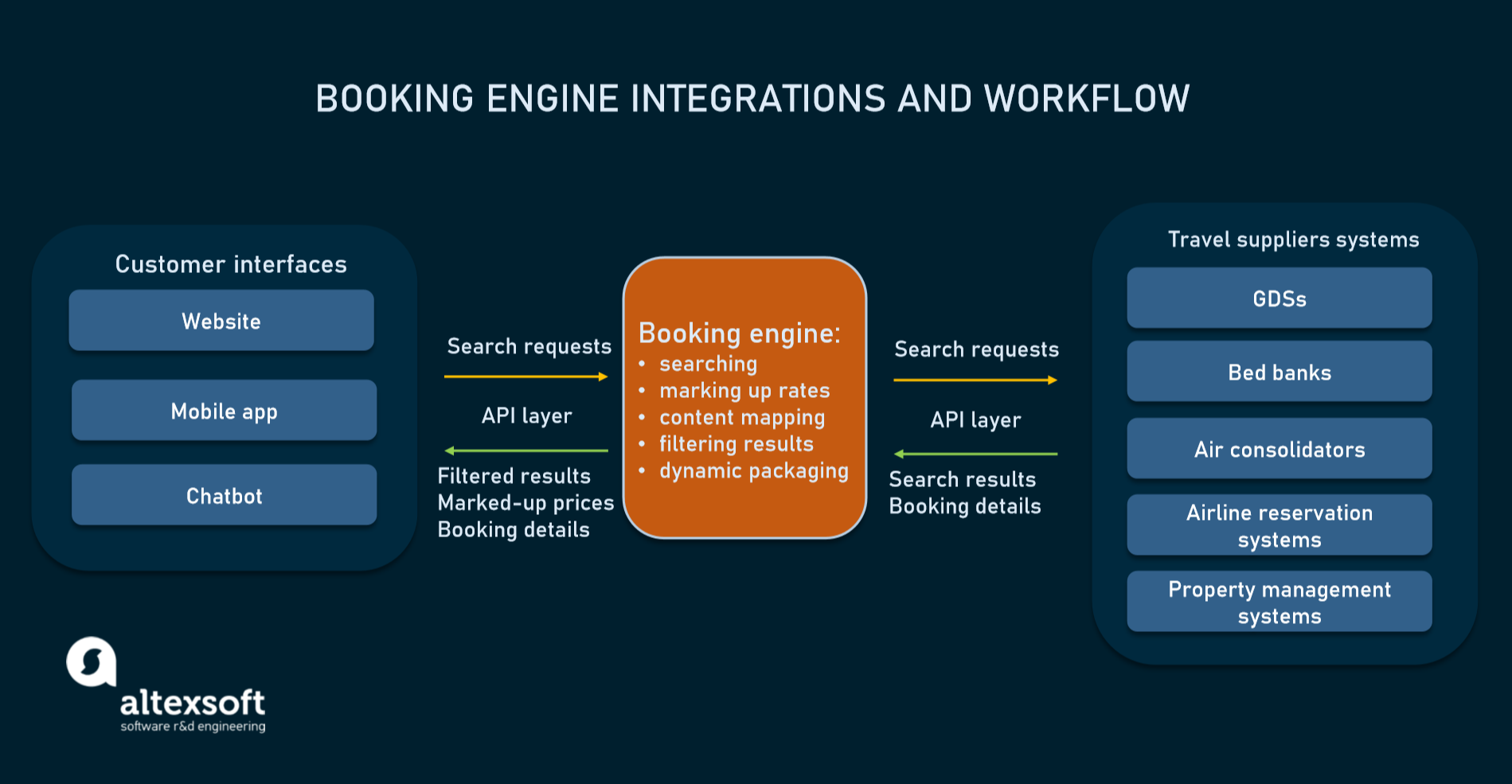
Hotel booking platforms are constantly evolving, leveraging cutting-edge technologies to enhance the user experience and streamline operations. This evolution is driven by the need for more personalized recommendations, seamless mobile experiences, and improved data management. Modern platforms integrate advanced technologies to cater to the evolving needs of both travelers and hoteliers.
AI and Machine Learning in Recommendations
AI and machine learning algorithms are crucial in personalizing recommendations for travelers. These algorithms analyze vast amounts of data, including user preferences, past bookings, and travel trends, to suggest hotels and packages tailored to individual needs. This personalized approach significantly improves the accuracy and relevance of recommendations, leading to a higher conversion rate. For instance, a platform might suggest a romantic getaway package to a couple who have frequently booked hotels in Tuscany, based on their past booking history.
Big Data for Enhanced Insights
Big data analysis allows platforms to gather and process vast quantities of data, providing deeper insights into market trends and user behavior. This data-driven approach empowers platforms to optimize pricing strategies, anticipate demand fluctuations, and personalize offerings. The insights gained from big data can be used to identify popular destinations, understand seasonal variations in demand, and predict future trends. This enables platforms to offer more accurate and competitive pricing models to both users and hoteliers.
Mobile-First Design and Responsiveness
Mobile-first design and responsive web design are essential for a seamless user experience across all devices. Platforms optimized for mobile devices allow users to book hotels, access information, and manage their bookings anytime, anywhere. Responsive design ensures the platform adapts to various screen sizes, guaranteeing a consistent and user-friendly interface on desktops, tablets, and smartphones. This focus on mobile-first design is critical for today’s travelers, who frequently use their mobile devices to research and book accommodations.
Innovative Technologies in Prominent Platforms
Many prominent booking platforms are at the forefront of technological innovation. For example, some platforms integrate augmented reality (AR) features to allow users to virtually explore hotel rooms or amenities before booking. Others use chatbots to provide instant support and answer user queries, enhancing the overall customer service experience. Further advancements include the implementation of blockchain technology to enhance security and transparency in transactions.
Table of Technological Advancements
| Platform | Technology Used | Application | Benefits |
|---|---|---|---|
| Booking.com | AI-powered recommendations | Suggesting hotels based on user preferences and travel history | Improved accuracy and relevance of recommendations, higher conversion rates |
| Expedia | Big data analytics | Optimizing pricing strategies and anticipating demand fluctuations | More competitive pricing models, improved operational efficiency |
| Airbnb | AR/VR integration | Virtual tours of listings | Enhanced user experience, reduced uncertainty in selection |
| Hotels.com | Mobile-first design | Seamless booking and management on various devices | Improved user experience and accessibility, increased booking conversions |
Business Models and Revenue Streams
Hotel booking platforms have evolved significantly, adopting various business models to thrive in the competitive online travel market. Understanding these models is crucial to comprehending how these platforms generate revenue and maintain their position in the industry. Different models cater to distinct needs and target audiences, influencing the overall ecosystem.
Business Models Employed by Hotel Booking Platforms
Hotel booking platforms utilize diverse business models, each with its strengths and weaknesses. Common models include acting as intermediaries between hotels and travelers (often referred to as OTAs), providing metasearch functionalities, or combining both. These platforms facilitate the search and booking process, creating a valuable service for both hotels and travelers.
Revenue Streams Generated by Platforms
These platforms generate revenue through various streams, primarily focusing on commissions earned from bookings facilitated, and other avenues such as advertising and affiliate marketing. The specific revenue streams and their proportions often vary depending on the platform’s business model and target audience. For example, a platform heavily focused on commission-based bookings will have a higher reliance on this revenue stream.
Comparison of Metasearch and OTA Business Models
Metasearch platforms and Online Travel Agencies (OTAs) differ in their approaches to revenue generation. Metasearch platforms primarily rely on providing users with aggregated results from various sources, including OTAs and direct hotel websites. OTAs, on the other hand, directly manage bookings and typically take a commission on each transaction. This fundamental difference affects their revenue streams and the way they interact with the hotel industry.
Pricing Strategies Employed by Platforms
Hotel booking platforms employ various pricing strategies to maximize revenue and attract users. These strategies often involve dynamic pricing, where prices fluctuate based on demand, competitor pricing, and seasonality. Some platforms might offer special deals and promotions to incentivize bookings. Others might focus on tiered pricing models, offering varying levels of service or features at different price points.
Revenue Models Comparison Table
| Platform Type | Commission Structure | Pricing Strategies | Target Market |
|---|---|---|---|
| OTA (Online Travel Agency) | Typically, a fixed percentage commission on each booking, varying based on the hotel’s negotiated rate. | Dynamic pricing, promotions, special deals, and tiered pricing models are common. | Broad range of travelers, including budget-conscious and luxury travelers. |
| Metasearch Platform | No direct commission on bookings, instead revenue is generated from advertising and partnerships. | Focuses on providing comprehensive search results, often with no direct pricing or promotion. | Travelers seeking a comprehensive comparison and the lowest possible price, often price-sensitive. |
| Hybrid Platform | Combination of commission-based bookings and advertising revenue. | Dynamic pricing, promotions, and bundled packages. | Targets both price-sensitive and feature-seeking travelers. |
Competitive Landscape and Market Trends
The hotel booking platform market is highly competitive, with established giants and emerging players vying for market share. Understanding the key players, their strategies, and the evolving market trends is crucial for success in this dynamic industry. This analysis will delve into the competitive landscape, highlighting key players, their strengths and weaknesses, and the significant trends shaping the future of online hotel bookings.
Key Players and Market Share
Several prominent players dominate the hotel booking platform market. Their market share is influenced by factors like brand recognition, technological capabilities, global reach, and strategic partnerships. Analysis of these key players reveals their individual market strengths and competitive advantages.
- Booking.com, Expedia Group, and Hotels.com are the leading players, controlling a significant portion of the global market share.
- Smaller, niche players cater to specific segments, such as budget travelers or luxury hotels, often specializing in particular regions or travel styles.
- Emerging players are consistently challenging established giants, introducing innovative features and targeting underserved markets.
Emerging Trends
The market is evolving, with personalization and sustainability gaining traction. Travelers are increasingly seeking customized experiences and services that align with their values. This trend is influencing hotel booking platforms to offer tailored recommendations and highlight eco-friendly accommodations.
- Personalization: Platforms are incorporating AI and machine learning to personalize recommendations, offer tailored deals, and curate travel experiences based on individual preferences. Examples include predicting user travel preferences based on past bookings and suggesting similar hotels.
- Sustainability: Increasingly, travelers are prioritizing eco-friendly options. Booking platforms are responding by integrating filters and features that highlight sustainable practices, such as hotels using renewable energy or implementing waste reduction programs. This trend is driven by environmental awareness and consumer demand for ethical travel choices.
Impact of Globalization and Cultural Diversity
Globalization and cultural diversity are significantly impacting the market. The increasing interconnectedness of the world and the growing desire for cross-cultural experiences are driving the need for platforms that cater to diverse travel needs and preferences. Hotels are now actively promoting cultural experiences as part of their marketing strategies, and platforms are supporting this by offering multilingual support and curated cultural tours.
Competitor Analysis
| Platform | Strengths | Weaknesses | Market Share (Estimated) | Target Audience |
|---|---|---|---|---|
| Booking.com | Extensive network, global reach, user-friendly interface, strong brand recognition | Potential for oversaturation, dependence on external factors, and maintaining quality control across numerous properties | ~40% | Diverse, broad range of travelers from budget to luxury |
| Expedia Group | Large inventory, diverse services (flights, cars, activities), strong marketing and advertising presence | Potential for fragmentation of services, maintaining brand consistency across subsidiaries | ~30% | Price-sensitive travelers, families, groups, and those seeking bundled travel options |
| Hotels.com | Wide selection of hotels, loyalty programs, user-friendly interface, partnerships with hotels | Limited marketing reach compared to larger players, potentially smaller inventory in specific regions | ~15% | Budget-conscious travelers, frequent travelers, and those seeking deals |
| Airbnb | Unique experience offerings, strong community aspect, high flexibility for guests | Lack of hotel-like services, challenges with quality control, and potential safety concerns | ~10% | Budget-conscious travelers, experience seekers, and those seeking alternative accommodations |
Impact on the Hotel Industry
Hotel booking platforms have fundamentally reshaped the hotel industry, influencing operations, profitability, and marketing strategies. Their emergence has created a dynamic environment where hotels must adapt to leverage these platforms effectively to remain competitive. These platforms have become indispensable tools for both hotels and their guests.
Hotel booking platforms significantly impact hotel operations and profitability by streamlining the entire booking process. This efficiency translates into reduced administrative overhead and improved resource allocation, freeing up staff to focus on guest satisfaction and service. Additionally, these platforms facilitate the collection of crucial data, allowing hotels to better understand guest preferences and tailor their offerings accordingly.
Influence on Hotel Pricing Strategies
Hotel pricing strategies are profoundly affected by booking platforms. These platforms often provide tools for dynamic pricing, allowing hotels to adjust rates based on real-time demand, competitor pricing, and other factors. This data-driven approach enables hotels to optimize revenue and maximize profitability. For example, a hotel might increase prices during peak season or for popular events, or offer discounts during slower periods. By analyzing data from the platform, hotels can identify patterns and trends in guest behavior, allowing them to implement more effective pricing strategies.
Influence on Hotel Marketing Efforts
Booking platforms act as powerful marketing tools for hotels. They offer visibility to a vast online audience, expanding a hotel’s reach beyond traditional marketing channels. Hotels can leverage platform features like targeted advertising, social media integration, and promotional offers to engage potential guests effectively. For instance, a hotel can create special packages and promotions that are showcased on the platform, attracting potential guests. The platforms also provide insights into customer preferences and feedback, which hotels can use to enhance their marketing campaigns.
Impact on Direct Bookings
Booking platforms facilitate direct bookings for hotels through various channels, such as dedicated hotel websites or integrated booking systems. This allows hotels to build stronger relationships with their guests and maintain greater control over the guest experience. Hotels can provide exclusive offers and promotions directly to their website visitors to encourage direct bookings, thus reducing reliance on third-party commissions. This direct interaction can lead to a more personalized and satisfying experience for guests.
Role of Online Reviews and Ratings
Online reviews and ratings play a crucial role in influencing customer choices. Potential guests often rely on these reviews to assess the quality of a hotel, its services, and overall guest experience. Hotels need to actively manage their online reputation by encouraging positive reviews and addressing negative ones promptly and professionally. Hotels can also utilize the platforms to respond to guest reviews and maintain a high level of customer satisfaction. A positive online presence can significantly boost a hotel’s visibility and attract more bookings.
Effects on Hotels
| Platform Type | Influence on Pricing | Marketing Strategies | Impact on Revenue |
|---|---|---|---|
| Third-party booking platforms | Dynamic pricing, competitive analysis | Targeted advertising, promotional offers | Potential for reduced revenue due to commissions |
| Hotel-owned booking platforms | Direct control over pricing | Exclusive offers, personalized experiences | Higher potential for revenue as commission is avoided |
User Experience and Customer Satisfaction: Booking Platforms For Hotels
A seamless and positive user experience is paramount for hotel booking platforms. A well-designed platform directly impacts customer satisfaction, influencing repeat bookings, positive reviews, and ultimately, the platform’s success. A strong UX fosters trust and encourages users to return for future bookings.
A positive user experience (UX) goes beyond just a visually appealing design. It encompasses the entire interaction a customer has with the platform, from the initial search to the final confirmation. Understanding the elements that contribute to a positive experience and the factors influencing customer satisfaction is crucial for platform success.
Importance of User Experience
A well-designed booking platform is critical for providing a positive experience. User-friendly interfaces, intuitive navigation, and efficient search functionalities are essential. Customers should feel confident and in control throughout the booking process. Easy access to information, clear communication, and streamlined procedures are all components of a great UX.
Elements Contributing to Positive User Experience
Several key elements contribute to a positive user experience on hotel booking platforms. Clear and concise information about hotels, including visuals, amenities, and reviews, is vital. Intuitive search filters allow users to quickly identify suitable options based on their preferences. A secure and reliable payment system is essential for building trust. Simple and clear booking confirmation processes are also critical. Easy access to contact support, when needed, further enhances the user experience.
Factors Influencing Customer Satisfaction
Customer satisfaction is influenced by various factors. Accuracy and reliability of information presented are paramount. Responsiveness and helpfulness of customer support agents significantly impact satisfaction. Ease of navigation and the speed of the booking process play a critical role. The availability of multiple payment options and secure transactions builds trust and positively affects satisfaction. The platform’s responsiveness to feedback and issues further contributes to a positive customer experience.
Addressing Customer Issues and Complaints
Effective strategies for addressing customer issues and complaints are essential for maintaining customer satisfaction and reputation. A clear and readily available customer support system, whether via email, phone, or live chat, is critical. Prompt responses to inquiries and timely resolution of issues are key. Offering multiple channels for feedback, including surveys and review platforms, allows for a better understanding of customer concerns. Implementing procedures for tracking and resolving complaints, while maintaining confidentiality, is are crucial element in addressing customer concerns effectively. Following up with customers after resolving their issues helps demonstrate the platform’s commitment to customer satisfaction.
Elements of a Positive UX
| Feature | Design | Functionality | User Feedback |
|---|---|---|---|
| Clear, concise hotel information | Visually appealing presentation of hotels | Intuitive search filters and options | Actively soliciting and responding to user feedback |
| Easy navigation | User-friendly layout | Smooth booking process | Collecting and analyzing user reviews |
| Secure payment system | Trust-inspiring design elements | Reliable transaction processing | Implementing changes based on user feedback |
| Multiple payment options | Consistent visual theme | Easy access to support | Tracking and resolving customer complaints |
Future of Hotel Booking Platforms
The hotel booking platform landscape is poised for significant transformation in the coming years. Advancements in technology, evolving consumer preferences, and the increasing importance of data security are reshaping the industry. This evolution will demand adaptability and innovation from both established players and emerging competitors.
Emerging Technological Trends
The integration of cutting-edge technologies will be a defining factor in the future of hotel booking platforms. Artificial intelligence (AI) is already impacting the user experience through personalized recommendations and automated customer service. Machine learning (ML) algorithms will become increasingly sophisticated in predicting demand, optimizing pricing strategies, and tailoring offers to specific customer segments. Virtual and augmented reality (VR/AR) technologies are also promising, enabling potential guests to virtually explore hotel rooms and amenities, enhancing the pre-booking experience.
Personalization and Customization
Personalization is crucial for enhancing the user experience and driving customer loyalty. Future platforms will leverage data analytics to tailor recommendations, offers, and communication channels to individual guest preferences. This will encompass everything from preferred room types and amenities to preferred modes of communication. Considerable investment in user experience research will be crucial to understanding and addressing the specific needs of diverse customer segments.
Security and Data Privacy
Robust security measures are paramount for maintaining trust and ensuring data privacy. Enhanced encryption protocols, multi-factor authentication, and regular security audits will be essential to protect sensitive guest information. Transparency in data handling practices and clear privacy policies will be vital to building and maintaining customer confidence. Compliance with evolving data privacy regulations will be mandatory.
Future Trends Projection, Booking platforms for hotels
| Technology | Application | Potential Impact | Challenges |
|---|---|---|---|
| Artificial Intelligence (AI) | Dynamic pricing, personalized recommendations, aand utomated customer service | Increased efficiency, improved user experience, enhanced revenue optimization | Ensuring fairness and transparency in AI-driven decisions, the potential for bias in algorithms |
| Virtual Reality (VR) | Interactive room tours, virtual hotel experiences | Enhanced pre-booking experience, increased customer engagement, improved decision-making | High initial implementation costs, need for high-quality VR content |
| Blockchain Technology | Enhanced security, transparency, and trust in transactions | Improved security of financial transactions, reduced fraud, and greater transparency in the supply chain | Integration complexity, regulatory uncertainties |
| Internet of Things (IoT) | Smart hotel features, personalized room environments | Increased convenience for guests, enhanced service offerings, improved energy efficiency | Data privacy concerns, potential for system vulnerabilities |
Final Conclusion

Source: ezulix.com
In conclusion, booking platforms for hotels have become an indispensable part of the modern travel experience. Their evolution, technological advancements, and impact on the hotel industry are undeniable. From streamlining the booking process to influencing pricing strategies, these platforms have fundamentally altered the landscape of hospitality. The future of these platforms promises continued innovation, driven by technological advancements and evolving customer expectations. This discussion has provided a comprehensive understanding of the multifaceted world of hotel booking platforms, highlighting their importance and prospects.