Best Room Booking App A Comprehensive Guide
The best room booking app is crucial for travelers and event planners alike. The market has exploded, with various apps catering to different needs, from hotels to vacation rentals and conference spaces. This guide explores the evolution, features, user experience, security, market trends, and competitive landscape of these apps, ultimately helping you find the best fit for your requirements.
From intuitive interfaces and seamless booking processes to robust security measures and comprehensive support, we’ll delve into the factors that make a room booking app truly exceptional. This detailed analysis will cover everything from the technical aspects to user feedback, giving you a complete understanding of the best room booking app options available.
Introduction to Room Booking Apps
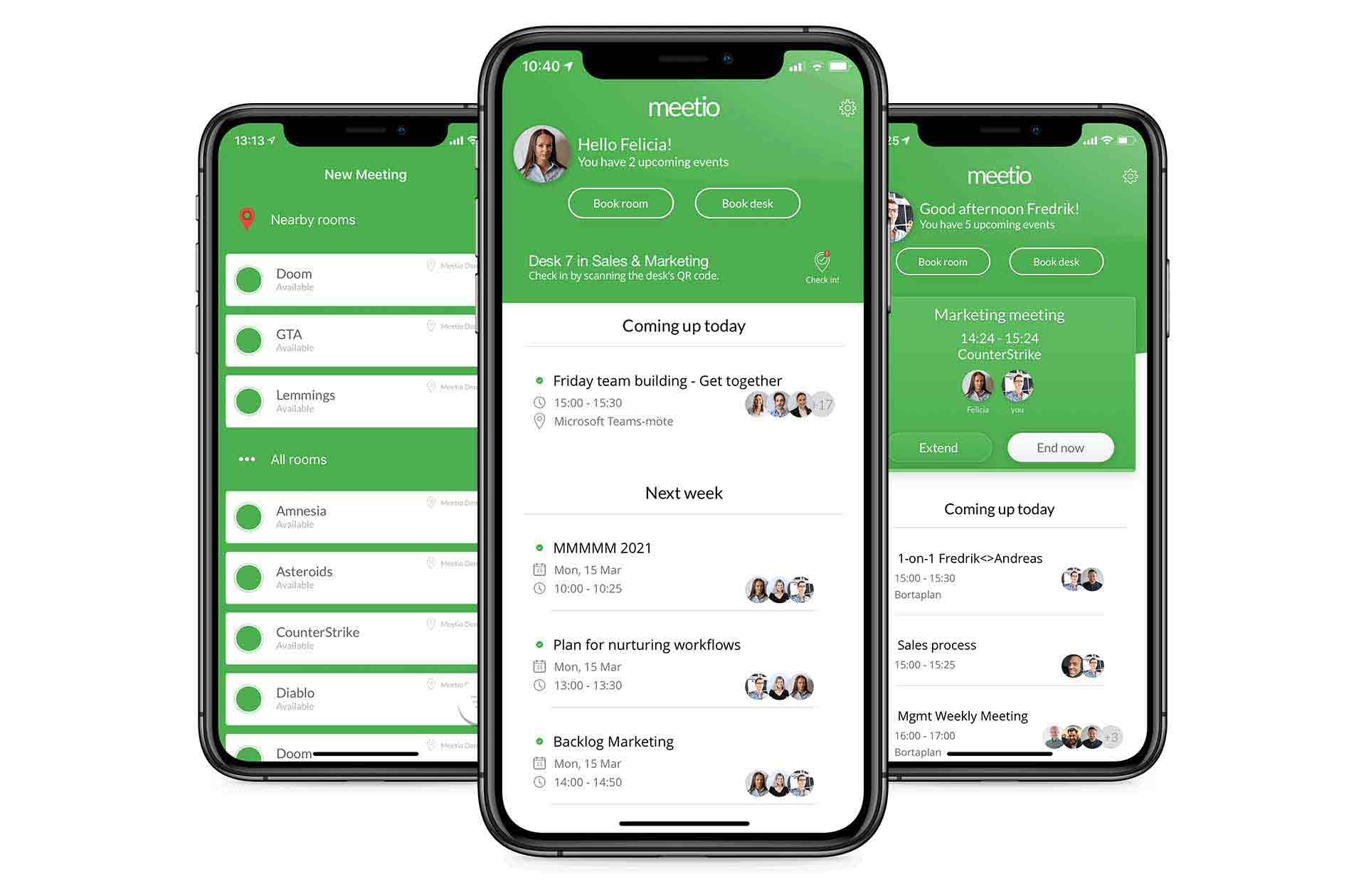
Room booking apps have become ubiquitous, simplifying the process of securing accommodations, meeting spaces, and other venues. From simple hotel bookings to complex event planning, these applications streamline the entire experience, connecting users with a vast array of options in real-time. This evolution reflects a growing demand for convenient and efficient solutions in the hospitality and event management sectors.
The market for room booking apps has experienced significant growth, driven by increasing digital adoption and a desire for seamless online experiences. Early apps focused primarily on hotels, but the category has expanded dramatically to include vacation rentals, conference rooms, and even specialized spaces like co-working areas. This expansion highlights the versatility and adaptability of the room booking app model.
Evolution and Growth of Room Booking Apps
The evolution of room booking apps reflects the broader trend of digitalization in the hospitality industry. Early platforms primarily focused on providing listings and basic booking functionality. Subsequent iterations have incorporated advanced features like real-time availability, detailed property descriptions, secure payment gateways, and user reviews. The incorporation of mobile-first design and user-friendly interfaces has further propelled the growth and popularity of these applications. The increasing use of mobile devices and the desire for instant access to information and services have created a fertile ground for this category of applications to thrive.
Key Features of Room Booking Apps
Room booking apps typically incorporate a range of features designed to enhance the user experience and facilitate seamless transactions. These features often include real-time availability checks, detailed property descriptions, secure payment processing, user reviews and ratings, flexible booking options (e.g., cancellation policies), and communication tools (e.g., messaging, customer support). These functionalities ensure a smooth and secure booking process, providing users with the necessary information and control to make informed decisions.
Types of Room Booking Apps
| Category | Description | Examples |
|---|---|---|
| Hotels | Apps dedicated to booking hotel rooms. | Booking.com, Expedia, Hotels.com |
| Vacation Rentals | Platforms for booking houses, apartments, or other types of vacation rentals. | Airbnb, VRBO |
| Conference Rooms | Apps focused on reserving meeting rooms or event spaces. | MeetUp, Calendly, Google Meet |
| Co-working Spaces | Platforms for booking desks or offices in co-working environments. | Regus, WeWork |
The table above highlights the diverse range of room booking apps available, catering to different needs and preferences. Each category addresses a specific segment of the market, demonstrating the adaptability and breadth of this rapidly evolving application category.
User Experience and Interface
A crucial aspect of any successful room booking app is a seamless and intuitive user experience. A well-designed interface guides users effortlessly through the booking process, minimizing frustration and maximizing the likelihood of a positive interaction. This involves thoughtful navigation, effective use of visuals, and a mobile-first approach.
A user-friendly interface directly impacts user satisfaction and app adoption. By making the process of finding and booking a room as simple as possible, developers can increase user engagement and loyalty. This translates to more bookings and a stronger brand reputation.
Navigation and Interaction Design, Best room booking app
Effective navigation is paramount for a smooth user journey. Clear and consistent layouts, coupled with intuitive controls, reduce the learning curve. Implementing a hierarchical structure for different options (e.g., city selection, date range, room type) is key. Visual cues and clear labeling aid users in understanding the available options and actions.
Using visual cues like highlighting or color-coding selected options helps maintain user awareness and understanding. Consider using progressive disclosure, where more complex options or filters are revealed only when necessary, to avoid overwhelming the user.
Mobile Optimization
Mobile optimization is no longer a luxury but a necessity. Room booking apps are predominantly accessed via smartphones, necessitating a mobile-first approach. The design must prioritize responsiveness and adaptability across various screen sizes. The interface must be easily navigable with touch gestures, and critical information should be prominently displayed on smaller screens.
Optimizing the user experience for mobile devices includes reducing page load times, utilizing touch-friendly controls, and ensuring that the design scales seamlessly across different screen resolutions.
Comparison of Prominent Room Booking Apps
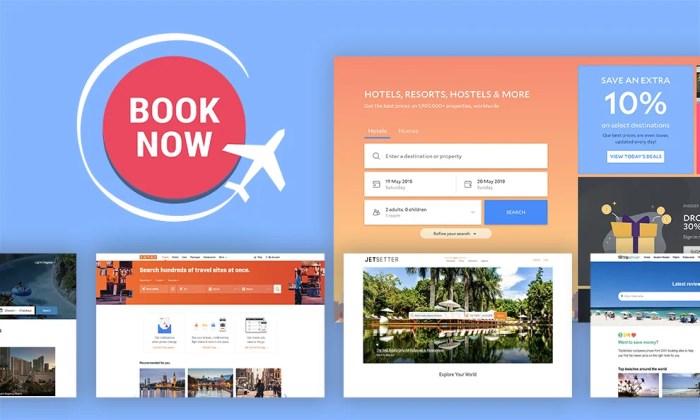
Airbnb, Booking.com, and Expedia offer diverse approaches to room booking. Airbnb emphasizes user-generated content and community interaction. Booking.com focuses on a broad range of properties and competitive pricing. Expedia, on the other hand, often integrates travel services beyond room bookings.
Analyzing the interfaces of these platforms reveals varying degrees of complexity and user-friendliness. Airbnb’s interface prioritizes showcasing images and user reviews, whereas Booking.com often prioritizes clarity in a display of room details. Expedia’s design often leans towards a more comprehensive travel experience.
Effective Design Elements
| Feature | Description | Example |
|---|---|---|
| Filtering | Allowing users to narrow down their search by criteria like price range, amenities, or location. | Filter by “pet-friendly” or “accessible” rooms. |
| Search | Providing a user-friendly search bar for quick and accurate room location and date selection. | Clear search bar with auto-complete suggestions. |
| Room Visualization | Presenting rooms with high-quality images and interactive 360° views. | Showing floor plans and detailed room descriptions. |
| Payment Integration | Seamless integration with secure payment gateways. | Using established and trusted payment processors. |
| User Reviews and Ratings | Displaying user reviews and ratings to help users make informed decisions. | Including ratings and reviews from past guests. |
The table above highlights crucial design elements that contribute to a positive user experience in room booking apps. These features improve the decision-making process and increase user trust.
Features and Functionality
Room booking apps have evolved significantly, moving beyond simple search and display to encompass a wide range of features. These features are designed to enhance the user experience, streamline the booking process, and provide valuable information for both hosts and guests. Understanding these features and their value propositions is crucial for choosing the right app for specific needs.
Common Features in Top-Rated Apps
A multitude of features are common across top-rated room booking apps, each serving a distinct purpose. These include search filters, detailed property descriptions, secure payment gateways, and communication tools.
- Search Filters: Sophisticated search filters allow users to refine their search based on criteria like location, price range, room type, amenities, and guest capacity. This targeted approach saves time and ensures users find the perfect accommodation matching their preferences.
- Detailed Property Descriptions: Comprehensive descriptions of properties, including photos, amenities, and host profiles, empower users to make informed decisions. These descriptions also provide hosts with a means to highlight the unique aspects of their property.
- Secure Payment Gateways: Built-in secure payment systems are crucial for protecting both hosts and guests. These systems ensure that transactions are processed securely and efficiently.
- Communication Tools: Features that facilitate communication between hosts and guests, like messaging or in-app chat, enhance the overall booking experience. These tools are important for clarifying details and resolving any potential issues.
Value Proposition of Key Features
Each feature contributes to the overall value proposition of the app. Effective search filters improve user experience by allowing users to find relevant results efficiently. Detailed property descriptions reduce uncertainty by providing potential guests with more information. Secure payment systems increase trust and confidence, crucial for a successful booking. Communication tools enhance transparency and foster a smoother interaction between hosts and guests.
Pricing Structures and Payment Options
Pricing structures vary across room booking apps, often including commission fees for hosts and potentially different pricing tiers for users. Payment options generally include various credit cards and sometimes alternative methods.
- Commission Fees: Apps often charge a commission on each booking to cover operating costs. This commission is typically a percentage of the booking amount, and the amount varies among different platforms.
- Pricing Tiers: Some apps may offer different pricing tiers, possibly with varying levels of features or customer support, depending on the user’s needs.
- Payment Options: The range of payment options offered by apps is generally extensive, including major credit cards, debit cards, and sometimes mobile payment systems.
User Support Mechanisms
Effective user support is vital for a positive user experience. Room booking apps employ various support methods, from in-app help centers to direct contact with support teams.
- In-App Help Centers: Well-organized in-app help centers provide users with readily accessible FAQs, troubleshooting guides, and other resources to resolve common issues.
- Direct Support Channels: Many apps offer direct support channels, such as email, phone, or live chat, allowing users to contact a support agent for personalized assistance.
Feature Availability Comparison
| App | Search Filters | Detailed Descriptions | Secure Payments | Communication Tools |
|---|---|---|---|---|
| App A | Yes | Yes | Yes | Yes |
| App B | Yes | Yes | Yes | Yes |
| App C | Yes | Yes | Yes | Yes |
Note: This table provides a simplified comparison. The actual features and their implementations may vary across different apps.
Security and Trust
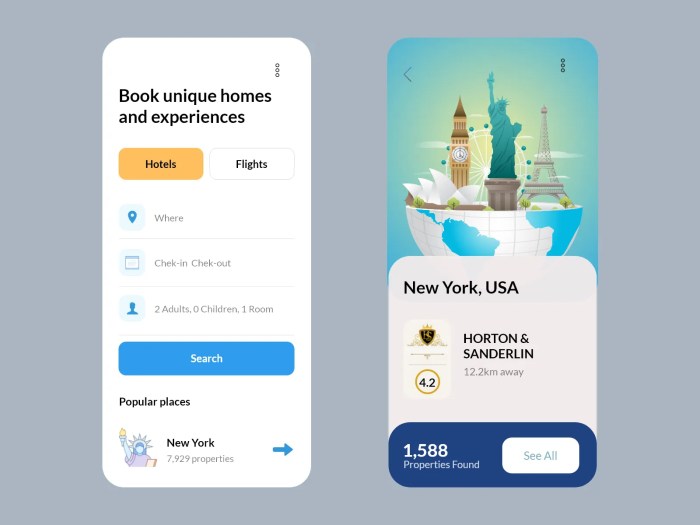
Source: dribbble.com
Building trust is paramount for any room booking app. Users need to feel confident that their data is secure and that the platform is legitimate. This assurance stems from robust security measures and transparent practices, fostering a positive user experience and encouraging repeat bookings.
User data, including personal information, payment details, and booking history, is highly sensitive. Compromised data can lead to significant financial and reputational damage for both users and the platform. Therefore, a strong emphasis on security is essential for the long-term success of a room booking app.
Importance of Data Security
Data security is critical for user trust. Compromised data can lead to identity theft, financial losses, and reputational damage for both users and the platform. A secure platform protects users’ personal information, payment details, and booking history, ensuring their transactions and data are handled responsibly.
Security Measures Employed by Secure Platforms
Secure room booking platforms employ various measures to safeguard user data. These include robust encryption protocols, secure payment gateways, and regular security audits. Implementing multi-factor authentication (MFA) adds an extra layer of protection, requiring users to verify their identity using multiple methods. Regular software updates patch vulnerabilities and enhance security protocols. The use of strong passwords and data anonymization techniques are also crucial aspects of maintaining data privacy.
Importance of Customer Reviews and Ratings
Customer reviews and ratings play a significant role in building trust. Positive reviews from satisfied users provide social proof, demonstrating the platform’s reliability and credibility. Conversely, negative reviews can signal potential issues, prompting the platform to address concerns promptly. Monitoring and responding to user feedback allows the platform to identify and resolve problems before they escalate.
Common Security Issues in Room Booking Apps
Common security issues include unauthorized access to user accounts, data breaches, and fraudulent bookings. Phishing attempts and malware can compromise user data. Lack of secure payment gateways or weak encryption protocols are also significant vulnerabilities. Inadequate security measures and a failure to monitor user activity for suspicious patterns can also lead to data breaches and fraudulent activities.
Ensuring User Privacy
Protecting user privacy is crucial. Room booking apps should adhere to strict data privacy regulations (like GDPR) and communicate their data handling policies. Transparency about data collection, usage, and sharing practices builds trust. Users should have control over their data, including the ability to access, correct, and delete their information. Furthermore, minimizing data collection to only what is necessary and using anonymization techniques where possible contributes to a robust privacy strategy.
Market Trends and Future of Room Booking Apps
Room booking apps are rapidly evolving, driven by technological advancements and shifting user preferences. This evolution presents both challenges and opportunities for businesses operating in this sector. The current market landscape is dynamic, characterized by a blend of established players and emerging competitors, all striving to offer innovative solutions and superior user experiences.
Current Market Trends
The room booking app market is experiencing a surge in demand for seamless and personalized experiences. Users increasingly seek intuitive interfaces, flexible booking options, and comprehensive information about available rooms. Features like real-time availability checks, integrated payment systems, and secure booking confirmations are becoming table stakes for successful apps. Moreover, the focus on sustainable and eco-friendly accommodations is gaining traction, with many apps incorporating filters for such options.
Emerging Technologies
Several emerging technologies are reshaping the room booking app landscape. Artificial intelligence (AI) is enabling more sophisticated search algorithms and personalized recommendations, enhancing user experience and potentially reducing booking times. Virtual reality (VR) and augmented reality (AR) are increasingly utilized to offer immersive previews of potential accommodations, providing users with a more realistic understanding of the environment and amenities. Integration of AI-powered chatbots for customer support and automated tasks further improves efficiency and accessibility.
Integration with Other Platforms
The future of room booking apps likely involves tighter integration with other platforms. Imagine a scenario where a user’s travel itinerary seamlessly connects with their room booking, streamlining the entire travel planning process. This integration could encompass booking flights, transportation, and even restaurant reservations, creating a comprehensive travel management system within a single app. The potential for expanding functionalities beyond just accommodation booking is significant.
Impact of Globalization
Globalization has significantly impacted the room booking app market, creating a demand for apps that cater to diverse needs and preferences across different cultures and languages. Internationalization efforts are essential for expanding market reach, and apps must offer multilingual support, currency conversion, and local payment options to effectively serve a global clientele. This also involves adapting to various cultural norms and regulations.
Personalization in Room Booking Apps
Personalization is becoming a crucial aspect of room booking apps. The ability to tailor recommendations and offers based on user preferences, past bookings, and travel history is a powerful tool. This includes providing recommendations for amenities that align with individual preferences (e.g., family-friendly rooms, pet-friendly options, or specific accessibility features) and offering personalized pricing based on real-time demand and user behavior. For example, frequent users might receive discounts or priority access to bookings.
Competitor Analysis
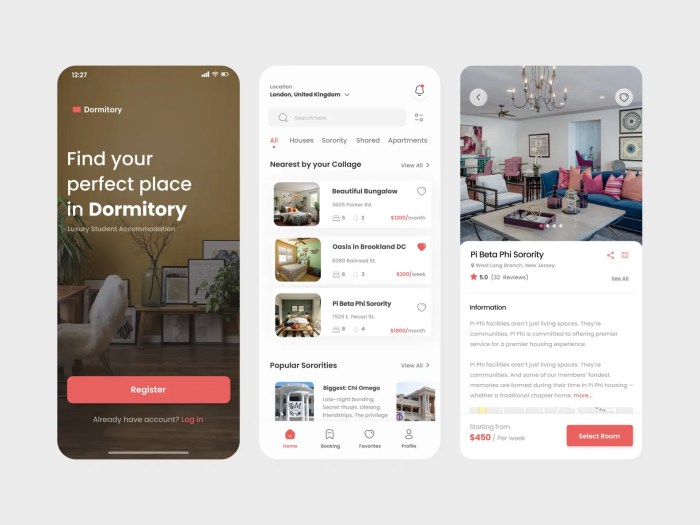
Source: dribbble.com
The room booking app market is highly competitive, with numerous players vying for market share. Understanding the strengths and weaknesses of key competitors is crucial for success in this space. This analysis examines the competitive landscape, pricing strategies, and differentiating factors of prominent room booking apps.
The competitive landscape is characterized by a blend of established players with extensive resources and newer entrants seeking to disrupt the market. This dynamic environment necessitates a thorough understanding of each competitor’s positioning and market strategy.
Strengths and Weaknesses of Top Room Booking Apps
A comparative analysis reveals varying strengths and weaknesses among the leading room booking apps. Some excel in user-friendly interfaces, while others prioritize specific niche markets or offer unique features.
- Airbnb: Strengths lie in its vast network of listings, global reach, and established brand recognition. Weaknesses include potential issues with quality control among hosts and the lack of standardized amenities across properties. The platform’s high commission fees for hosts can also impact profitability.
- Booking.com: Known for its comprehensive selection of hotels worldwide, Booking.com’s strength is its extensive database. A weakness is the occasional lack of detailed property information compared to other platforms. The user interface, while functional, may not be as intuitive as some competitors.
- Expedia: Expedia’s advantage lies in its diverse range of accommodations, from hotels to vacation rentals. A potential weakness is a slightly less personalized user experience compared to other apps. Its pricing strategy often involves complex algorithms, which might not always benefit the user.
- Hotels.com: Hotels.com’s strength is its focus on hotel bookings. Its weakness is a potentially smaller selection of vacation rentals or unique accommodation options compared to platforms with broader portfolios. The platform sometimes struggles with a less-than-optimal user interface.
Pricing Strategies of Competitors
Pricing strategies vary significantly among competitors. Some employ dynamic pricing models, while others offer fixed rates or packages. The chosen pricing strategy directly impacts the profitability of both the platform and the businesses they connect.
- Dynamic Pricing: Airbnb and Booking.com often use dynamic pricing algorithms, adjusting prices based on demand, time of year, and competitor rates. This strategy can maximize revenue but may lead to unpredictable costs for users.
- Fixed Pricing: Hotels.com and Expedia tend to feature more fixed pricing for hotels, providing more predictable costs. This model may not always optimize revenue as effectively as dynamic pricing, but it offers more transparency to users.
- Package Deals: Some platforms offer bundled deals and packages, combining lodging with other services, such as activities or transportation. These strategies can attract customers looking for comprehensive travel experiences.
Differentiation Strategies
Competitors differentiate themselves through various factors. Some focus on specific niches, while others prioritize user experience or offer unique features.
- Niche Focus: Airbnb targets vacation rentals and unique experiences, while Booking.com concentrates on a broader selection of hotels. This targeted approach helps cater to specific user needs.
- User Experience: Certain platforms prioritize a seamless user interface and personalized recommendations. This approach aims to improve the overall booking experience.
- Unique Features: Some competitors provide additional services like in-app messaging, payment processing, or travel guides, further enhancing the user experience.
Market Share Comparison
The following table provides a general overview of the market share of major room booking apps. Exact figures are difficult to obtain and vary depending on the data source and metrics used.
| Company | Approximate Market Share (%) |
|---|---|
| Booking.com | Estimated 30-40% |
| Airbnb | Estimated 20-30% |
| Expedia | Estimated 10-15% |
| Hotels.com | Estimated 5-10% |
| Other Competitors | Remaining market share |
Customer Reviews and Feedback
Customer reviews and feedback are critical for the success of any room booking app. They provide invaluable insights into user experiences, highlighting strengths and weaknesses, and enabling app developers to make necessary improvements. Positive reviews build trust and encourage new users, while negative reviews can reveal areas requiring attention. Understanding customer feedback allows for the development of more effective and user-friendly products.
Influence of Customer Reviews on App Perception
Customer reviews significantly impact the perception of a room booking app. Positive reviews foster trust and credibility, making the app more attractive to potential users. Conversely, negative reviews can deter potential users and damage the app’s reputation. Reviews often act as social proof, influencing user decisions based on the experiences of others. A high volume of positive reviews can enhance the app’s visibility in app stores and search results, potentially leading to increased downloads and higher conversion rates.
Examples of Positive and Negative User Feedback
Positive feedback often highlights the app’s ease of use, quick booking process, wide selection of rooms, competitive pricing, and helpful customer support. Users frequently praise the app’s intuitive interface, clear room descriptions, and convenient features like filtering options. Negative feedback, on the other hand, often focuses on issues like unreliable booking confirmations, slow loading times, inaccurate pricing, or difficult-to-navigate interfaces. Problems with payment processing, poor customer service responses, and missing information about amenities are also common complaints.
Methods for Gathering and Responding to Customer Feedback
Companies utilize various methods to gather and respond to customer feedback. App stores provide platforms for users to leave reviews and ratings. Direct feedback channels, such as in-app surveys, email feedback forms, and social media monitoring, allow for direct interaction with users. Customer support interactions provide valuable insights into recurring issues and user pain points. Companies actively monitor review sites and social media platforms to track public perception and address any negative feedback promptly. Responding to reviews, both positive and negative, is crucial for maintaining a positive image and building trust. Constructive responses to negative feedback demonstrate a commitment to customer satisfaction.
Common Themes in User Reviews
Analysis of user reviews reveals several recurring themes. Ease of use and navigation consistently emerge as key factors. Accuracy of pricing and availability information is another frequent concern. Positive reviews often praise the app’s speed, reliability, and user-friendly design. Reliable customer support and clear communication are also important factors in shaping user experience. Security and payment processing concerns are frequently addressed in reviews.
Distribution of Customer Ratings for Different Apps
| App Name | Rating Distribution (Average Rating) |
|---|---|
| Roomia | 4.5 stars (Overall positive feedback; high user satisfaction) |
| BookIt | 4.0 stars (Mixed feedback; some areas need improvement) |
| StayWise | 3.8 stars (Significant room for improvement; needs better customer support) |
| HotelHop | 4.2 stars (Generally well-received; but some issues with reliability) |
This table illustrates a hypothetical distribution of customer ratings across various room booking apps. Actual data would vary based on the specific app and period. Note that the average rating and specific feedback are fictional for illustrative purposes.
Technical Aspects
Source: behance.net
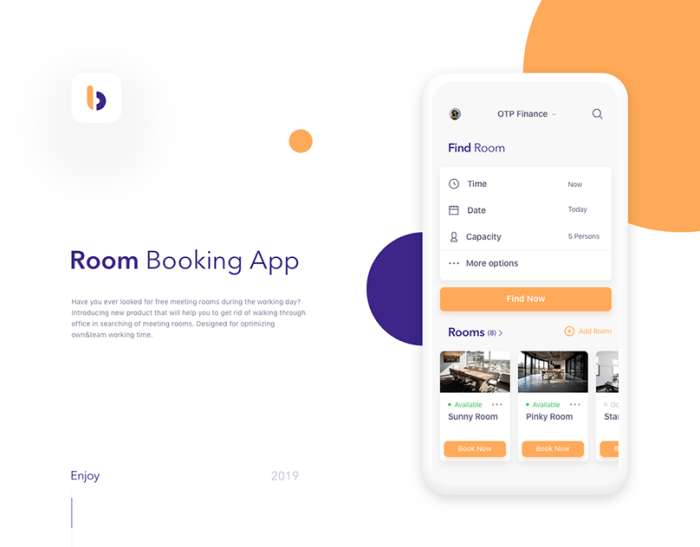
Room booking applications rely on a robust technological foundation to ensure seamless operation, efficient resource management, and a positive user experience. The technical underpinnings directly influence the app’s performance, scalability, and overall reliability. Understanding these aspects is crucial for evaluating the viability and effectiveness of a room booking app.
Technologies Used in Development
Room booking applications leverage a variety of technologies, often incorporating a combination of front-end and back-end frameworks. Common choices include:
- Mobile Development Frameworks: React Native, Flutter, or native iOS and Android development are frequently used for creating user interfaces accessible on smartphones and tablets. These frameworks offer portability and compatibility across various mobile operating systems.
- Back-End Languages: Languages like Python (with frameworks like Django or Flask), Node.js (with frameworks like Express.js), or Java (with frameworks like Spring Boot) are common for handling server-side logic, database interactions, and API endpoints. These languages provide efficient and scalable solutions for managing the application’s core functionalities.
- Database Systems: Relational databases such as MySQL, PostgreSQL, or NoSQL databases like MongoDB are employed to store and manage data, including room availability, user information, and booking history. Choosing the right database type depends on the anticipated data volume and complexity.
Scalability and Performance
The ability of a room booking application to handle increasing user traffic and data volume is critical for long-term success. Design considerations for scalability and performance include:
- Load Balancing: Distributing incoming requests across multiple servers prevents overload on any single server, ensuring consistent performance even with a surge in user activity.
- Caching Strategies: Caching frequently accessed data, such as room availability, reduces the load on the database, resulting in faster response times. Implementing caching mechanisms is crucial for high-performance applications.
- Database Optimization: Appropriate indexing and query optimization techniques ensure efficient database interactions, minimizing response times and preventing bottlenecks.
User Interface Design for Performance and Usability
User interface design plays a significant role in the application’s performance and usability. A well-designed interface leads to a positive user experience and facilitates smooth interactions. Key considerations include:
- Responsive Design: Creating a user interface that adapts seamlessly to different screen sizes and devices ensures a consistent experience across various platforms.
- Intuitive Navigation: Clear and logical navigation structures allow users to easily find the desired information and complete their booking process.
- Performance Optimization: Minimizing page load times and ensuring smooth animations contribute to a more enjoyable user experience. Careful optimization of images and code can significantly impact the speed of the application.
Role of Databases and APIs
Databases are essential for storing and retrieving data efficiently. APIs (Application Programming Interfaces) act as intermediaries between different parts of the application and external services. The seamless integration of databases and APIs is critical for data consistency and application functionality.
- Data Integrity: Databases ensure data accuracy and consistency through defined structures and constraints.
- API Integration: APIs allow for integration with external services like payment gateways and third-party libraries. This ensures a seamless flow of data and functionality.
Payment Gateways Used
Payment gateways facilitate secure transactions for booking payments. Popular options include Stripe, PayPal, and Square. Choosing the appropriate gateway depends on factors like transaction volume, security requirements, and regional payment preferences.
- Security Considerations: Payment gateways employ encryption and security protocols to protect sensitive financial information.
- Transaction Processing: Payment gateways handle the complex process of verifying payments and updating account balances.
- Integration with Application: Integration with the application ensures a smooth and secure payment flow during the booking process.
Last Word: Best Room Booking App
In conclusion, choosing the best room booking app depends on individual needs and priorities. This comprehensive guide has provided insights into the key aspects of these applications, including user experience, features, security, and market trends. By carefully considering these elements, users can make informed decisions and select the app that best aligns with their preferences and requirements. Ultimately, the best room booking app is the one that delivers a smooth and secure booking experience, tailored to specific user needs.