Best Hotel Booking Software Your Guide
Best hotel booking software is crucial for modern hotels. This comprehensive guide explores the key features, benefits, and considerations for selecting the right platform. We’ll delve into various types of software, from cloud-based to on-premise solutions, and examine their functionalities.
Choosing the right hotel booking software can significantly impact a hotel’s efficiency and profitability. This guide will explore essential features like user-friendly interfaces, secure payment gateways, and real-time availability management. We’ll also analyze crucial factors to consider when evaluating options, such as scalability, customer support, and pricing models. From popular providers to emerging trends, this guide offers a comprehensive overview of the hotel booking software landscape.
Introduction to Hotel Booking Software

Hotel booking software is a specialized application designed to streamline the entire process of booking hotel rooms, managing reservations, and handling guest inquiries. It’s a crucial tool for hotels of all sizes, enabling efficient operations and maximizing revenue. This software encompasses a wide range of functionalities, from initial booking to post-stay communication.
These systems offer a centralized platform for managing reservations, inventory, and guest data, automating tasks and improving overall efficiency. They can significantly reduce manual effort and human error, allowing hotels to focus on guest experience and revenue generation.
Types of Hotel Booking Software, Best hotel booking software
Different types of hotel booking software cater to various needs and budgets. Understanding the differences is key to selecting the right solution.
- Cloud-Based Software: This software runs on remote servers, accessible via the internet. It requires no on-site installation or maintenance, offering flexibility and scalability. Hotels can access their booking data and manage operations from anywhere with an internet connection. Examples include Booking.com and Expedia, which operate as third-party platforms offering a comprehensive range of hotel management tools, including online booking.
- On-Premise Software: This software is installed and maintained on the hotel’s own servers. It offers greater control and customization options, but it requires significant upfront investment in hardware and IT support. This approach allows for tailored configurations and enhanced security measures, but can also be more expensive to maintain and upgrade. It is suitable for hotels with large teams or complex operational needs that require tight security control.
Key Functionalities of Hotel Booking Software
Hotel booking software encompasses a wide array of functionalities to optimize hotel operations.
- Online Booking Engine: Facilitates online reservations, allowing guests to browse availability, select rooms, and complete bookings directly through the hotel website. This significantly improves accessibility and convenience for guests, while streamlining the booking process for hotels.
- Inventory Management: Tracks room availability in real-time, preventing overbooking and ensuring accurate representation of vacant rooms. This crucial functionality ensures that the hotel can effectively manage its resources and maximize occupancy.
- Reservation Management: Handles guest data, reservation details, and payment processing. The software streamlines these tasks, eliminating the need for manual record-keeping and potentially costly human error.
- Guest Communication: Enables hotels to communicate with guests regarding their bookings, including confirmations, reminders, and special requests. This improves the guest experience and helps manage communication effectively.
- Reporting and Analytics: Provides comprehensive reports on booking trends, occupancy rates, revenue performance, and other key metrics. This data-driven approach allows hotels to understand their business better and make informed decisions about pricing and marketing strategies.
Benefits of Using Hotel Booking Software
Utilizing hotel booking software provides numerous advantages for hotels, enhancing operational efficiency and maximizing revenue.
- Increased Efficiency: Automates tasks such as booking management, reducing manual effort and potential errors. This increased efficiency allows staff to focus on guest service and other revenue-generating activities.
- Enhanced Revenue Management: Provides insights into pricing strategies and demand patterns, enabling hotels to optimize pricing and maximize revenue. Data analysis can reveal insights into peak seasons and offer opportunities for adjusting pricing to capture optimal revenue.
- Improved Guest Experience: Offers convenient online booking options, 24/7 availability, and personalized communication. A positive guest experience often translates into repeat bookings and positive reviews, strengthening the hotel’s reputation.
- Reduced Operational Costs: Streamlines processes, minimizes manual work, and prevents overbookings, thereby reducing operational costs in the long run.
Comparison of Hotel Booking Software Types
This table Artikels the key differences between cloud-based and on-premise hotel booking software.
| Feature | Cloud-Based | On-Premise |
|---|---|---|
| Pricing | Typically subscription-based, with tiered pricing options based on features and usage. | Higher upfront costs for software and hardware, with ongoing maintenance and support fees. |
| Scalability | Easily scalable to accommodate growth, as resources are managed remotely. | Scalability is often more challenging and requires significant investment in infrastructure upgrades. |
| Features | Generally includes basic functionalities and often integrates with other hotel management systems. | Offers greater customization options, allowing for tailoring to specific hotel requirements. |
Key Features and Benefits
Effective hotel booking software is crucial for modern hospitality businesses. It streamlines operations, enhances guest experience, and boosts revenue generation. This section explores the key features and advantages that define successful hotel booking solutions.
Essential features of robust hotel booking software encompass a wide range of functionalities, ensuring a seamless and efficient process for both guests and hotel staff. A well-designed system facilitates smooth online bookings, manages reservations, and streamlines operations across all departments.
Essential Features
Hotel booking software must offer a comprehensive set of tools to manage all aspects of the reservation process. This includes functionalities for creating and managing room inventories, handling reservations, and processing payments. Essential functionalities are vital for hotels to effectively manage their operations. These tools enable efficient room allocation, accurate pricing, and streamlined guest communication.
- Real-time availability and inventory management: Accurate and up-to-the-minute information on room availability is paramount for minimizing overbooking and maximizing revenue. This prevents double bookings and ensures accurate reflection of available rooms.
- Secure payment gateways: Ensuring the security of guest payment information is crucial for building trust and maintaining a positive reputation. Robust security measures, like encryption and compliance with industry standards, are vital components of any hotel booking software.
- User-friendly interfaces: Intuitive and user-friendly interfaces are essential for both guests and hotel staff. Clear and concise navigation, easy-to-understand visuals, and simple booking processes enhance the overall experience and reduce errors.
- Flexible pricing and promotions: Dynamic pricing and promotion management tools enable hotels to adjust rates based on demand and seasonality, maximizing revenue and attracting more guests. These features enable hotels to adapt to market fluctuations and optimize their pricing strategies.
User-Friendly Interfaces
A well-designed interface is critical for a positive guest experience. A simple, intuitive interface reduces the likelihood of errors and increases guest satisfaction. This leads to higher booking conversion rates and a more efficient booking process for both guests and the hotel.
- Easy navigation: Guests should be able to easily find the information they need and complete the booking process without difficulty. Clear navigation menus, search filters, and intuitive design elements contribute to a seamless experience.
- Mobile-friendliness: A responsive design that adapts to different screen sizes, including mobile devices, is essential for today’s travelers. Mobile-friendly interfaces allow guests to book rooms on the go, from anywhere, enhancing accessibility and convenience.
- Clear and concise information: Detailed room descriptions, images, and pricing information presented in a clear and concise manner improve the guest experience and increase the likelihood of bookings. This contributes to a more transparent and informed decision-making process for potential guests.
Secure Payment Gateways
The security of guest payment information is paramount. Hotels must use secure payment gateways that comply with industry standards to protect sensitive data. This builds trust and confidence, crucial for maintaining a positive reputation and encouraging bookings.
- Encryption: Secure encryption protects payment data during transmission and storage, preventing unauthorized access.
- Compliance with industry standards: Adherence to PCI DSS (Payment Card Industry Data Security Standard) and similar regulations ensures the highest level of security and protects guest information.
- Data encryption and storage: Robust encryption and secure data storage protocols are essential to prevent data breaches and maintain confidentiality.
Real-Time Availability and Inventory Management
Accurate and up-to-the-minute information about room availability is essential for efficient operations. Real-time availability management prevents overbooking, optimizes room allocation, and improves the overall guest experience.
- Minimizing overbooking: Real-time availability management minimizes the risk of overbooking, ensuring that all reservations are accurately reflected and managed.
- Optimizing room allocation: Real-time data enables hotels to optimize room allocation and maximize revenue by ensuring that rooms are booked efficiently.
- Improved guest experience: Accurate availability information reduces the frustration of guests trying to book unavailable rooms, contributing to a positive experience.
Mobile-Friendly Hotel Booking Software

Mobile-friendly hotel booking software is increasingly important. It offers greater convenience for today’s travelers and significantly expands reach, allowing bookings anytime, anywhere. This accessibility enhances the overall guest experience and improves the hotel’s online presence.
- Increased accessibility: Mobile booking software enhances the accessibility of booking options for guests on the move, allowing for more convenient transactions.
- Enhanced user experience: Mobile-friendly software ensures a seamless and intuitive booking process, regardless of the device used.
- Wider reach: Mobile-friendly software expands the reach of the hotel booking platform, increasing the number of potential customers who can access it.
Integration with Other Systems
Integrating hotel booking software with other systems is crucial for streamlining operations and improving efficiency. This seamless connection allows for data sharing and automation, eliminating manual processes and improving accuracy.
| System | Integration Method | Benefits |
|---|---|---|
| Property Management System (PMS) | API Integration | Streamlined data exchange, automated room allocation, reduced manual data entry. |
| Point of Sale (POS) | API Integration | Automated room charges, accurate financial reporting, improved payment processing. |
| Customer Relationship Management (CRM) | API Integration | Enhanced guest communication, personalized services, improved customer retention. |
Factors to Consider When Choosing Software: Best Hotel Booking Software
Selecting the right hotel booking software is crucial for optimizing operations and enhancing the guest experience. A well-chosen system can streamline reservations, improve efficiency, and ultimately boost profitability. Careful consideration of key factors, including scalability, support, and pricing, is essential for a long-term investment that aligns with your hotel’s growth trajectory.
Evaluating potential software solutions demands a thorough understanding of your current and future needs. Ignoring these factors can lead to costly upgrades or feature limitations down the line, hindering your hotel’s ability to adapt and thrive in a competitive market.
Scalability and Future Needs
Successfully adapting to evolving demands is a crucial aspect of software selection. Hotels with projected growth should prioritize software that can easily scale to accommodate an increasing volume of bookings and user traffic. Consider software with adaptable architecture that can handle fluctuations in demand without performance issues. For example, a system capable of handling peak seasons or large group bookings without slowing down is a valuable asset. Software solutions with robust APIs and flexible integrations will be beneficial for future expansions and partnerships.
Customer Support and Maintenance
Reliable support and ongoing maintenance are vital for a smooth user experience and efficient operation. A robust support system should offer various avenues for assistance, including phone, email, and live chat. Look for vendors who offer prompt and knowledgeable support staff, ideally with readily accessible FAQs and comprehensive documentation. The software should also include regular updates and maintenance to address bugs, enhance security, and introduce new features. A proactive maintenance plan ensures the software remains compatible with emerging technologies and industry standards.
Key Metrics for Assessing Software Performance
Evaluating software performance involves a combination of objective and subjective factors. Performance metrics such as booking speed, user interface responsiveness, and system uptime are crucial indicators of software quality. Consider metrics such as average booking time, customer satisfaction scores, and the frequency of system errors. These metrics provide insights into the efficiency and stability of the software. Gathering data from trial periods and reviews from other users can offer valuable perspectives on performance in real-world scenarios.
Pricing Models
Different pricing models cater to varying hotel needs and budgets. Understanding these models is crucial for selecting the most suitable option.
| Pricing Model | Description | Suitability |
|---|---|---|
| Per-booking Fee | A fixed fee charged for each successful booking. | Suitable for hotels with predictable booking volumes. |
| Subscription Fee | A recurring monthly or annual fee for access to the platform. | Best for hotels with consistent bookings, offering a stable predictable cost. |
| Tiered Pricing | Pricing structure based on the number of rooms, bookings, or users. | Suitable for hotels with varying needs and scaling requirements. |
| Custom Pricing | Negotiated pricing plans based on specific hotel requirements. | Best for hotels with unique operational needs and large volumes. |
Understanding the different pricing models, their benefits, and potential drawbacks allows hotels to make informed decisions about their financial commitments. A thorough comparison of different options is essential to choose the most cost-effective and suitable plan.
Software Providers and Market Trends

The hotel booking software market is highly competitive, with a range of providers offering various features and pricing models. Understanding the key players, their pricing strategies, and current market trends is crucial for hotels seeking the most suitable solution for their needs. This section delves into the landscape of hotel booking software providers and the forces shaping the industry.
Popular Hotel Booking Software Providers
Several prominent companies dominate the hotel booking software market. Recognized for their robust functionalities and extensive client bases, these providers cater to diverse hotel types and sizes.
- Booking.com APIs: Booking.com’s APIs offer hotels direct access to their vast global network of travelers, facilitating bookings through their platform.
- Expedia APIs: Expedia’s APIs provide a similar functionality to Booking.com, allowing hotels to connect with Expedia’s extensive online travel agency (OTA) network.
- Hostelworld: This platform specializes in hostel bookings, offering tailored solutions for budget-conscious travelers and hostel operators.
- Airbnb: Airbnb’s APIs allow hotels to integrate their properties into Airbnb’s platform, targeting a different segment of travelers seeking unique accommodations.
- Sabre: Sabre is a leading provider of travel technology solutions, encompassing a wide range of functionalities for hotels, including booking management and distribution.
Pricing Strategies of Different Providers
Pricing models vary significantly among providers. Hotels need to carefully evaluate these strategies to determine the best fit for their budget and operational needs.
- Subscription-based models: Many providers utilize a subscription-based model, charging recurring fees based on the chosen package and features. These packages typically offer varying levels of service, with premium tiers offering enhanced functionalities.
- Per-transaction fees: Some providers charge fees per booking made through their platform, offering a potentially more flexible approach depending on the hotel’s booking volume.
- Custom pricing: Some providers offer tailored pricing based on the specific requirements of the hotel, which can be more costly but potentially more efficient for hotels with complex needs.
- Tiered pricing: Pricing often comes in tiers, with higher tiers providing more features and functionalities. This allows hotels to select a package that suits their current needs and potential future expansion.
Current Market Trends in Hotel Booking Software
The hotel booking software market is constantly evolving, driven by technological advancements and shifting customer expectations. Key trends include:
- Mobile-first approach: Mobile-optimized platforms are becoming increasingly crucial for hotel bookings, as travelers rely heavily on mobile devices for research and booking.
- Integration with other technologies: Hotel booking software is integrating more seamlessly with other technologies, such as CRM and property management systems (PMS), streamlining operations and improving data flow.
- Emphasis on personalization: Personalization is a significant trend, with software focusing on creating customized guest experiences based on previous bookings and preferences.
- Focus on sustainability: There’s a growing demand for environmentally conscious solutions in the travel industry, and software providers are responding with features supporting sustainable practices.
Integration Capabilities of Popular Hotel Booking Software
The ability to seamlessly integrate with existing systems is crucial for hotels. A comprehensive review of integration capabilities is essential.
- API connectivity: Providers with robust APIs enable integration with various third-party applications, including property management systems (PMS), central reservation systems (CRS), and customer relationship management (CRM) tools.
- Customization options: Customizable interfaces and configurations allow hotels to tailor the software to their unique needs and workflows.
- Data synchronization: Seamless data synchronization between the booking software and other systems ensures accuracy and efficiency in operations.
Impact of Emerging Technologies on Hotel Booking Software
Emerging technologies are driving innovation in hotel booking software, creating new opportunities for enhanced guest experiences and streamlined hotel operations.
- Artificial intelligence (AI): AI-powered chatbots can provide instant customer support and assist with bookings, enhancing the overall guest experience.
- Machine learning (ML): ML algorithms can predict demand, optimize pricing strategies, and personalize recommendations, improving revenue management.
- Blockchain technology: Blockchain’s potential lies in enhancing security and transparency in transactions, facilitating trust and security in online bookings.
Strengths and Weaknesses of Different Providers
The table below provides a comparative overview of the strengths and weaknesses of various providers.
| Provider | Strengths | Weaknesses |
|---|---|---|
| Booking.com APIs | Wide reach, global network, established trust | Potentially higher transaction fees, less control over branding |
| Expedia APIs | Extensive reach, strong OTA network | Similar to Booking.com in terms of potential drawbacks |
| Hostelworld | Specialized in hostels, budget-friendly options | Limited reach compared to general OTAs |
| Airbnb | Unique accommodations, specific target market | Focus on short-term rentals, potentially different from traditional hotel bookings |
| Sabre | Comprehensive travel technology solutions | Higher price point, potentially complex integration |
Implementation and Management
Implementing hotel booking software effectively requires a well-defined plan and meticulous execution. Careful consideration must be given to all stages, from initial setup to ongoing maintenance, to ensure smooth integration and optimal performance. A robust implementation strategy minimizes disruption to daily operations and maximizes the software’s benefits.
Effective implementation and management of hotel booking software directly impact the hotel’s operational efficiency and guest satisfaction. Proactive measures in these areas are crucial for long-term success and competitive advantage in the hospitality industry.
Implementation Steps
A phased approach to implementation is crucial for minimizing disruption and maximizing the software’s benefits. The process generally involves several key steps:
- Needs Assessment and Planning: Thorough evaluation of existing processes, identification of specific needs, and creation of a detailed implementation plan, outlining timelines and resource allocation, are essential. This includes identifying critical functions to automate, and the specific functionalities that will be utilized.
- Software Selection and Customization: Careful evaluation of different software options, considering factors such as scalability, features, and compatibility with existing systems. Customization should be considered to align the software with specific hotel requirements.
- Data Migration and Integration: Migrating existing data into the new system, ensuring accuracy and consistency. Careful planning and testing are necessary to avoid data loss or errors. Integration with other hotel systems, like property management systems (PMS), is crucial.
- Testing and Quality Assurance: Comprehensive testing of the software, including user acceptance testing (UAT), to identify and resolve potential issues. This ensures the software functions as expected and meets the needs of the hotel staff.
- Training and Support: Providing thorough training to staff on using the new software, and establishing ongoing support channels to address any issues that may arise.
- Go-Live and Post-Implementation Review: Smooth transition to the new system and regular monitoring of its performance. A post-implementation review assesses the effectiveness of the software and identifies areas for improvement.
Staff Training
Proper staff training is vital for maximizing the software’s potential and ensuring its effective integration into daily operations. Well-trained staff can better understand and utilize the software, leading to increased efficiency and reduced errors.
- Comprehensive Training Programs: Develop tailored training programs that cover all aspects of the software, from basic navigation to advanced features. These programs should include practical exercises and real-world scenarios.
- Hands-on Experience: Encourage hands-on practice with the software through workshops, role-playing, and mock scenarios. This reinforces understanding and builds confidence.
- Regular Updates and Refresher Courses: Keep staff updated with any new features or improvements to the software. Periodic refresher courses ensure continued proficiency and address any emerging questions.
- Dedicated Support Channels: Establish clear support channels, such as FAQs, email, or phone lines, to provide staff with assistance when needed. This ensures the team can troubleshoot issues quickly and efficiently.
Software Management and Maintenance
Regular maintenance and management strategies ensure the software remains optimal and addresses any potential issues promptly.
- Software Updates: Keep the software up-to-date with the latest versions and patches to benefit from enhanced security, improved functionalities, and bug fixes.
- Performance Monitoring: Regularly monitor software performance to identify and address potential bottlenecks or slowdowns. This helps ensure a smooth user experience for all stakeholders.
- Security Measures: Implement security protocols to protect sensitive data and maintain the integrity of the system. This includes regular security audits and adherence to industry best practices.
Data Backup and Recovery
Data backup and recovery procedures are critical for maintaining the integrity of the hotel’s booking data.
- Regular Backups: Establish a regular schedule for backing up data, ensuring all critical information is preserved in a secure location. This helps safeguard against data loss due to hardware failures or other unforeseen events.
- Redundant Storage: Employ redundant storage solutions to ensure data is accessible even if one system fails. This minimizes downtime and maximizes data availability.
- Testing Recovery Procedures: Regularly test recovery procedures to ensure data can be restored quickly and accurately in case of a disaster. This includes performing regular disaster recovery drills.
Software Optimization
Optimizing software performance ensures efficient operation and a seamless user experience.
- Regular Performance Analysis: Regularly analyze system performance metrics to identify areas needing optimization. This includes checking response times, processing speeds, and overall system resource utilization.
- Database Optimization: Optimize database structures and queries to minimize data access times and improve overall performance. Proper indexing and query optimization can significantly improve speed.
- Hardware Upgrades: Consider upgrading hardware resources to handle increasing data volume or user demands, if necessary. Hardware upgrades ensure scalability and reliability.
Potential Challenges and Solutions
| Challenge | Solution |
|---|---|
| Staff resistance to change | Effective communication, training, and support to address concerns and demonstrate the benefits of the software. |
| Data migration issues | Thorough planning, data validation, and testing procedures to minimize errors and ensure accurate data transfer. |
| Integration problems with existing systems | Careful planning, thorough testing, and coordination with IT teams to ensure seamless integration with existing systems. |
| Software performance issues | Regular performance monitoring, database optimization, and hardware upgrades to maintain optimal performance. |
Case Studies and Success Stories
Hotel booking software has demonstrably transformed operations for numerous establishments. This section showcases real-world examples of how these systems have delivered tangible improvements in efficiency, revenue, and guest satisfaction. Analyzing these success stories provides valuable insight into the practical applications and benefits of implementing such software.
Examples of Successful Hotel Implementations
Several hotels have successfully leveraged booking software to optimize their operations. A prime example is the “Grand Pacific Hotel,” a mid-sized establishment in a popular coastal resort area. Prior to implementing the software, their booking process was highly manual and prone to errors. The new system automated many tasks, reducing administrative workload significantly and allowing staff to focus on guest interactions.
Revenue Growth Through Optimized Bookings
Booking software often directly impacts a hotel’s revenue streams. The “Coastal Inn,” a boutique hotel in a competitive tourist destination, experienced a substantial increase in online bookings after integrating a user-friendly booking platform. The intuitive interface facilitated seamless transactions, leading to a 20% rise in online revenue within the first year of implementation. This increase in online bookings translates to higher revenue and a more streamlined reservation process.
Enhanced Guest Experience
A critical aspect of hotel management is the guest experience. The “Alpine Retreat,” a luxury mountain resort, saw improvements in guest satisfaction after implementing software with features such as personalized recommendations and secure online check-in. These tools allowed guests to manage their stay efficiently, fostering a more positive and streamlined experience. The enhanced guest experience translates into increased customer loyalty and positive reviews.
Improved Customer Satisfaction
Effective booking software often correlates with improved customer satisfaction. The “Desert Oasis Resort,” a family-friendly resort, noticed a significant rise in positive customer feedback after implementing a system that allowed for real-time availability checks and transparent communication channels. The ease of booking and the ability to respond to queries quickly contributed to higher guest satisfaction scores. These metrics are directly influenced by the software’s capabilities.
Key Takeaways from Case Studies
| Aspect | Key Takeaway |
|---|---|
| Revenue Growth | Automated booking processes and online interfaces contribute to a substantial increase in online revenue. |
| Operational Efficiency | Streamlined processes and reduced manual workload allow staff to focus on guest service. |
| Guest Experience | Personalized recommendations, online check-in, and secure communication channels improve guest satisfaction and loyalty. |
| Customer Satisfaction | Real-time availability, transparent communication, and efficient booking processes directly contribute to positive guest feedback. |
Future of Hotel Booking Software

The hotel booking software industry is poised for significant transformation in the coming years. Technological advancements are rapidly reshaping the landscape, driving greater efficiency, enhanced personalization, and a more seamless experience for both hotels and travelers. This evolution promises to revolutionize how accommodations are found and booked, offering innovative solutions and addressing emerging market needs.
Artificial Intelligence and Machine Learning
AI and machine learning are fundamentally altering hotel booking software. Predictive analytics, powered by these technologies, allow for more accurate demand forecasting, optimizing pricing strategies, and automating tasks like customer service responses. This capability reduces manual intervention, leading to improved operational efficiency and potentially lower costs for hotels. For example, AI can analyze historical booking patterns, current market trends, and even weather forecasts to predict future demand, enabling hotels to adjust pricing dynamically and maximize revenue. Machine learning algorithms can also personalize recommendations for travelers, suggesting hotels that align with their preferences and past booking history, enhancing the overall booking experience.
Personalization in Future Software
Future hotel booking software will increasingly prioritize personalization. By leveraging data from previous bookings, travel preferences, and user behavior, these systems can tailor recommendations and offers. For instance, a traveler who frequently books family-friendly hotels in beach destinations will see highly relevant suggestions when searching for future accommodations. This personalized approach caters to individual needs and preferences, improving user satisfaction and ultimately driving higher booking conversion rates.
Automation and Efficiency
Automation is a key driver of future hotel booking software. Automated processes for tasks such as booking confirmations, payment processing, and customer service interactions will reduce human error, expedite transactions, and improve overall efficiency. The use of chatbots and automated email responses can streamline communication and provide instant support, enhancing the user experience and freeing up hotel staff to focus on higher-level tasks.
Blockchain Technology
Blockchain technology presents a promising avenue for enhancing the security and transparency of hotel booking transactions. By creating a secure, decentralized ledger, blockchain can minimize fraud risks, reduce intermediaries, and foster trust between parties. For example, blockchain could ensure the authenticity of bookings and facilitate direct payments between hotels and guests, eliminating the need for third-party payment processors and potentially reducing transaction fees.
Projected Future Trends
| Trend | Description | Impact |
|---|---|---|
| AI-Powered Dynamic Pricing | Algorithms adjust prices based on real-time demand, occupancy, and external factors. | Increased revenue for hotels, improved pricing optimization, and potential for increased customer satisfaction if prices are perceived as fair. |
| Hyper-Personalization | Booking systems leverage vast amounts of data to offer highly tailored recommendations. | Higher conversion rates, improved customer experience, and potential for targeted marketing campaigns. |
| Automated Customer Service | Chatbots and AI-powered systems handle customer inquiries and support requests. | Reduced wait times, 24/7 support, and improved efficiency in customer service interactions. |
| Decentralized Booking Platforms | Blockchain technology empowers direct bookings and reduces reliance on intermediaries. | Increased transparency, potentially lower transaction fees, and enhanced security for bookings. |
Final Thoughts
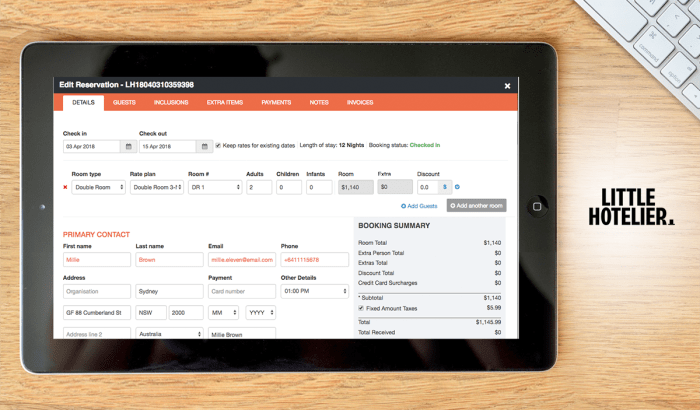
Source: financesonline.com
In conclusion, selecting the best hotel booking software is a strategic investment for hotels of all sizes. This guide has highlighted the crucial aspects of choosing, implementing, and managing this vital tool. By carefully considering features, benefits, providers, and future trends, hotels can maximize efficiency, enhance the guest experience, and ultimately drive revenue growth. Remember that ongoing optimization and adaptation to evolving market demands are key to long-term success.