Best App to Find Cheap Hotels Your Ultimate Guide
Best app to find cheap hotels is a critical concern for budget travelers. Navigating the plethora of hotel booking apps can be overwhelming, but this guide simplifies the process. We’ll explore the top contenders, evaluate their features, and delve into user experiences, ultimately helping you find the perfect app to save money on your next trip.
This comprehensive analysis will cover various aspects, including app comparisons, crucial evaluation criteria, user reviews, practical tips, alternative methods, and future trends in hotel booking technology. It’s a detailed exploration of how to effectively leverage these apps to secure affordable accommodations.
Introduction to Hotel Booking Apps
Hotel booking apps have revolutionized the travel industry, offering a convenient and often cost-effective way to secure accommodations. These apps streamline the entire process, from browsing options to finalizing bookings, making travel planning simpler and more accessible. This allows users to compare prices, read reviews, and select hotels based on their preferences, all from their mobile devices.
These apps have evolved beyond simple booking tools, often integrating additional features like travel guides, navigation, and even local restaurant recommendations. This comprehensive approach simplifies the entire travel experience, catering to the diverse needs of modern travelers.
Types of Hotel Booking Apps
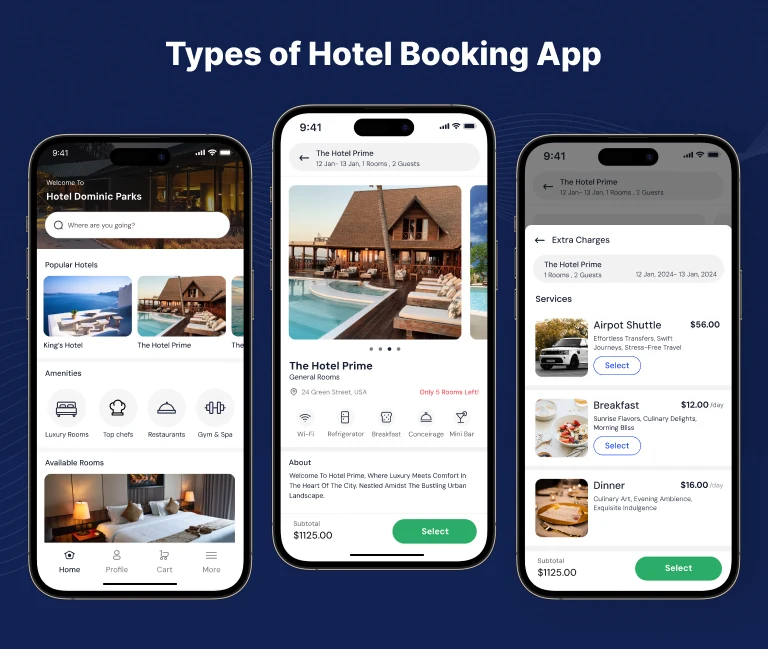
Different hotel booking apps cater to various needs and preferences. Some specialize in budget-friendly options, while others focus on luxury accommodations. There are also apps that cater to specific traveler types, such as families or business travelers. This diversity ensures a comprehensive range of choices for any type of traveler.
Features of Hotel Booking Apps
Hotel booking apps generally include a range of features that enhance the user experience and simplify the booking process. Common features include:
- Search filters: Users can refine their searches based on various criteria, such as price range, star rating, location, amenities, and guest type (family, couple, solo traveler). This helps target specific needs and preferences.
- Detailed hotel profiles: Detailed profiles allow users to review images, descriptions, amenities, and guest reviews. This allows users to assess the hotel’s suitability before committing to a booking.
- Real-time availability and pricing: Apps provide real-time updates on hotel availability and pricing, ensuring users see the most up-to-date information.
- Secure booking and payment options: Apps offer secure payment gateways, protecting user financial information.
- Booking management tools: These allow users to easily manage their bookings, modify details, or cancel reservations.
Importance of Finding Cheap Hotels for Budget Travelers
For budget-conscious travelers, finding affordable hotels is crucial. This allows them to maximize their travel experience without sacrificing their financial resources. It enables them to explore more destinations and enjoy their trips without overspending. The availability of cheap hotels opens up new possibilities for budget travelers.
Comparison of Top 3 Hotel Booking Apps
| App | Strengths | Weaknesses |
|---|---|---|
| Booking.com | Wide selection of hotels, competitive pricing, user-friendly interface, extensive reviews and ratings. | Might have slightly higher prices compared to other apps in some cases. Can be overwhelming for some users due to the vast selection. |
| Expedia | Excellent selection of hotels and travel packages, frequently offers deals and discounts, extensive features. | Navigation can be confusing at times, user interface might not be as intuitive as some other apps. |
| Hotels.com | Focus on reward programs and exclusive deals, often offers significant discounts for frequent users. | Limited selection compared to Booking.com or Expedia, potentially fewer deals available for non-reward members. |
Criteria for Evaluating Cheap Hotel Apps
Finding the perfect hotel at a great price can be challenging. Choosing the right hotel booking app is crucial for securing affordable accommodations. This involves considering various factors beyond just the lowest price, such as the app’s features, user reviews, and overall user experience. Thorough evaluation helps travelers make informed decisions and avoid potential pitfalls.
Key Factors for Selecting Cheap Hotel Apps
Selecting the best hotel booking app requires careful consideration of several key factors. These factors include price comparison tools, user reviews, and the app’s overall usability. A well-designed app will seamlessly guide users through the booking process, allowing them to quickly compare prices and find the best deals.
Importance of User Reviews and Ratings
User reviews and ratings are invaluable resources for evaluating a hotel booking app. They offer firsthand accounts of the app’s performance, ease of use, and reliability. By reading reviews from various users, potential app users can gain insights into the app’s strengths and weaknesses. This information allows them to make an informed decision based on the experiences of other users. Positive reviews often highlight features like intuitive navigation, accurate pricing, and helpful customer support. Conversely, negative reviews can signal potential problems, such as inaccurate price comparisons or unreliable booking confirmations. These insights are crucial in selecting an app that aligns with user expectations.
Effectiveness of Price Comparison Tools
Price comparison tools within hotel booking apps are extremely helpful in finding the best deals. These tools allow users to quickly compare prices from various hotels and booking websites simultaneously. This significantly reduces the time spent manually searching for deals. Comprehensive comparison tools provide detailed price breakdowns, including taxes, fees, and any additional charges. This transparency empowers users to make informed decisions based on the complete cost of their stay.
Examples of Price Comparison Features
Different hotel booking apps employ various price comparison features. Some apps might allow users to filter by specific criteria like star ratings, amenities, or location. Others might display prices from multiple booking platforms in a single view, allowing for quick and easy comparisons. For example, one app might highlight deals from a particular airline or loyalty program, while another might focus on hotels with special offers or discounts. Understanding these features can be vital in finding the best deals for a specific trip.
Criteria for Evaluating User Interface
A well-designed user interface (UI) significantly impacts the user experience. A user-friendly app will be intuitive and easy to navigate, even for those unfamiliar with the app. Clear categorization of hotels, filters, and search options are crucial for quick and efficient searches. Furthermore, the ability to save search preferences and quickly access previous searches can save significant time. Accessibility features, like adjustable font sizes and color schemes, are essential for users with diverse needs.
Comparison Table of Key Features
| Feature | App A | App B | App C |
|---|---|---|---|
| Price Comparison Accuracy | High | Medium | Low |
| User Interface Simplicity | Excellent | Good | Fair |
| Review Reliability | High | Medium | Low |
| Customer Support | Excellent | Good | Fair |
| Deal Frequency | High | Medium | Low |
Popular Hotel Booking Apps: Best App To Find Cheap Hotels
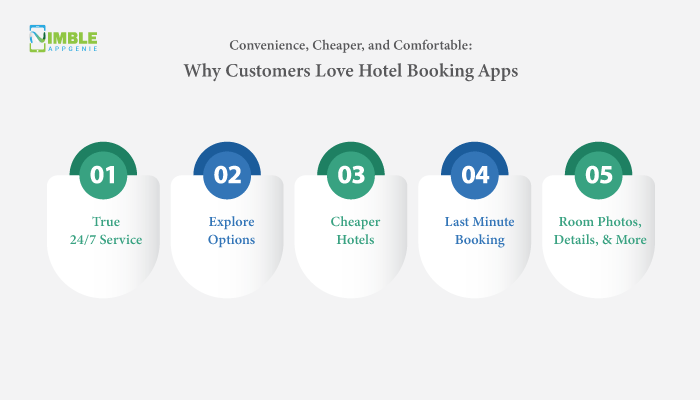
Source: nimbleappgenie.com
Finding the best deals on hotels can be a daunting task, but popular hotel booking apps streamline the process. These platforms offer a wide range of options, making it easier to compare prices and find the perfect accommodation for any budget. By understanding their pricing models, search algorithms, and customer service, travelers can make informed decisions and save money.
Popular hotel booking apps leverage sophisticated search algorithms to pinpoint the most affordable hotels based on various criteria. These algorithms often factor in real-time availability, competitor pricing, and user reviews to present a curated list of options. Understanding how these apps identify and display cheap hotels is crucial for maximizing savings.
Pricing Models of Popular Apps
Different hotel booking apps employ varying pricing models. Some operate on a commission-based structure, earning a percentage of each booking. Others might use a dynamic pricing model, adjusting prices based on demand and competitor rates. A key aspect is the transparent display of the final price, including all applicable taxes and fees, ensuring a clear understanding of the total cost. Understanding the pricing model is essential for budgeting and comparing deals effectively.
Search Algorithms and Cheap Hotel Identification
Hotel booking apps utilize advanced search algorithms to identify and display cheap hotels. These algorithms consider various factors, including the hotel’s star rating, location, amenities, and user reviews, to calculate a score reflecting value. Additionally, the algorithms consider real-time availability and pricing trends, constantly updating their results to reflect the latest offers. They prioritize factors like user preferences, historical data, and competitor pricing to deliver the most competitive deals.
Discounts and Deals Offered
These apps frequently offer a variety of discounts and deals to attract users. These promotions may include early booking discounts, last-minute deals, loyalty programs, and partnerships with airlines or credit card companies. Examples of deals include special offers during specific travel periods or holidays, providing opportunities for budget-conscious travelers to find substantial savings.
Customer Service Features
Customer service is a critical aspect of a successful hotel booking app. Many apps provide various support channels, such as email, phone, and live chat, to assist users with inquiries, bookings, and potential issues. These features offer travelers a level of assurance and support, contributing to a positive user experience. Reliable customer service helps resolve any problems efficiently and ensures a smooth booking process.
Comparison Table of Popular Hotel Booking Apps
| Feature | App A | App B | App C |
|---|---|---|---|
| Pricing Model | Commission-based, transparent pricing | Dynamic pricing, real-time updates | Hybrid model, combining commission and dynamic pricing |
| Search Algorithm | Prioritizes user reviews and location | Considers competitor pricing and demand | Emphasizes user preferences and historical data |
| Discounts & Deals | Frequent flash sales and early booking discounts | Loyalty program with exclusive discounts | Partnerships with airlines for bundled deals |
| Customer Service | 24/7 live chat and phone support | Email support and FAQ section | Dedicated support team with prompt responses |
User Experiences and Reviews
Hotel booking apps have become a ubiquitous tool for travelers seeking affordable accommodations. Understanding user experiences is crucial for evaluating the effectiveness and usability of these platforms. Positive reviews often highlight ease of use and competitive pricing, while negative feedback typically focuses on issues like inaccurate information, hidden fees, and unreliable booking processes. This section explores common user experiences and reviews, categorized for a comprehensive understanding.
Common User Experiences
User experiences with cheap hotel booking apps vary significantly. Positive experiences frequently center around the ability to find attractive deals and compare prices across multiple hotels efficiently. Conversely, negative experiences often involve issues with the booking process itself, such as unexpected charges or difficulties in cancellation. This highlights the importance of carefully reviewing app features and user feedback.
Common Issues Encountered by Users
Users frequently report issues related to the accuracy of hotel information. Inaccurate descriptions, misleading photos, or undisclosed fees are common complaints. Another recurring problem involves difficulties with the booking process itself. This includes navigating the platform, understanding cancellation policies, or managing payment options. Poor customer support is also frequently cited as a problem.
Pros and Cons of Using These Apps
The pros of using cheap hotel booking apps include readily accessible price comparisons, a wide selection of hotels, and the convenience of booking from anywhere. However, potential drawbacks include hidden fees, inaccurate information, and challenges with customer support. The decision to use these apps ultimately depends on a careful evaluation of the pros and cons, considering personal travel needs and preferences.
Categorization of User Reviews
To provide a clearer picture of user experiences, user reviews have been categorized based on their overall sentiment. These categories include positive, negative, and neutral reviews.
User Review Categorization Table
| Category | Description | Example Feedback |
|---|---|---|
| Positive | Expressing satisfaction with the app’s features, ease of use, and competitive pricing. | “Great app! Found a fantastic hotel at a fraction of the price.” |
| Negative | Highlighting issues with the app’s functionality, accuracy of information, or customer support. | “The hotel description was misleading. The room was nothing like the pictures.” |
| Neutral | Providing neither positive nor negative feedback; often describing a mixed experience or lacking specifics. | “The app was okay. Could be better.” |
Tips and Tricks for Finding Cheap Hotels
Savvy travelers know that finding the perfect hotel at a price that fits their budget is a key component of a successful trip. This section offers practical tips and tricks to maximize your chances of securing the best deals on hotel accommodations through various online booking platforms.
Finding affordable hotels involves more than just browsing; it’s about strategic planning and understanding the nuances of online booking. These tips and tricks will help you navigate the often-complex world of hotel deals, helping you to not only find a great hotel but also save money.
Utilizing Filters and Search Options Effectively, Best app to find cheap hotels
Understanding how to use the filters and search options available on hotel booking apps is crucial for finding suitable hotels. A well-defined search will drastically reduce the number of irrelevant results, allowing you to focus on hotels that meet your specific needs.
- Specify Dates and Locations Precisely: Be as precise as possible when entering your travel dates. A flexible range is good, but too wide a range can overwhelm the search results. If you’re flexible with your destination, consider a broader search area to uncover hidden gems.
- Employ Advanced Filters: Most booking platforms offer filters based on star rating, amenities, location proximity, and price range. Use these to narrow your search and find hotels that best match your requirements.
- Leverage Search Refinements: Look for advanced search options, like proximity to specific landmarks or transportation hubs. This helps to identify hotels that perfectly suit your travel plans.
- Use Different Search Engines: Compare results from multiple hotel booking apps. Different apps might present different deals on the same hotels.
Maximizing Discounts and Deals
Hotel booking platforms frequently offer discounts and deals, from loyalty programs to special promotions. Understanding how to leverage these opportunities can significantly reduce the cost of your stay.
- Sign Up for Newsletters: Subscribe to the email lists of hotel booking apps to receive notifications about exclusive deals, promotions, and special offers.
- Utilize Loyalty Programs: Join loyalty programs offered by the hotel booking platforms or the hotels themselves. These programs often provide exclusive discounts and perks for frequent travelers.
- Look for Packages: Consider packages that bundle hotel stays with other services, such as transportation or activities. These bundled packages frequently offer better value than booking separately.
- Check for Last-Minute Deals: Last-minute deals are sometimes available for hotels that haven’t filled their rooms. Be prepared to be flexible with your travel dates to seize these opportunities.
The Importance of Flexibility in Dates and Locations
Being flexible with your travel dates and locations can often unlock significant savings. Hotels often adjust prices based on demand, and flexibility allows you to find prices that are more attractive.
- Explore Nearby Alternatives: If your preferred location is too expensive, consider exploring hotels in nearby areas. You might be surprised at the quality and value you find in nearby destinations.
- Be Open to Different Dates: Traveling on weekdays or during the shoulder season (periods between peak and off-peak seasons) can often lead to lower prices. These less-popular travel times can still provide a great experience.
- Consider Different Travel Times: If your travel schedule is flexible, think about traveling during the off-season or on less-traveled dates to potentially find lower rates.
Avoiding Common Booking Mistakes
Careful planning and attention to detail can prevent costly mistakes when booking hotels.
- Double-Check Booking Details: Before confirming your booking, thoroughly review all details, including dates, room type, and pricing. Ensure that all the information is accurate.
- Read the Fine Print: Carefully read the terms and conditions of the booking to understand cancellation policies, payment methods, and other relevant information.
- Understand Cancellation Policies: Understand the hotel’s cancellation policy to avoid potential fees if you need to change your plans. Know when cancellation is free and when it might incur charges.
- Compare Prices Across Platforms: Don’t just rely on a single platform. Compare prices across different hotel booking apps to ensure you’re getting the best possible deal.
Alternative Methods for Finding Cheap Hotels
Beyond dedicated hotel booking apps, various alternative methods can help travelers secure affordable accommodations. These methods often offer unique advantages and drawbacks compared to the popular apps, allowing for a more comprehensive approach to budget-conscious travel planning.
Travel Aggregators
Travel aggregators function as a central hub for various travel services, including hotel bookings. They typically compare prices across multiple booking platforms, enabling users to quickly identify potentially lower rates. This comprehensive approach can be advantageous for finding the best deal.
Social Media Groups
Social media groups dedicated to travel, or specific destinations, frequently feature discussions on hotel recommendations and deals. Users often share insider tips, discounts, or even firsthand accounts of budget-friendly accommodations. This can be a valuable resource for discovering hidden gems or locally-favored options.
Comparison Charts: Hotel Booking Apps vs. Alternative Methods
| Feature | Hotel Booking Apps | Travel Aggregators | Social Media Groups |
|---|---|---|---|
| Price Comparison | Excellent, often automatically comparing various options | Excellent, typically designed for comprehensive price comparison | Limited, relying on user-shared information; may not be as comprehensive |
| User Reviews | Extensive reviews, helpful for evaluating hotel quality | Often includes aggregated reviews, though not as detailed as individual platforms | Limited or anecdotal reviews; rely on user-shared opinions |
| Ease of Use | Generally user-friendly, intuitive interfaces | Can be slightly more complex due to the aggregation of multiple sources | Can be less structured, requiring more effort to find relevant information |
| Hidden Gems | May miss local, smaller hotels not listed on major platforms | May identify hidden gems, depending on the aggregator’s scope | High potential to uncover hidden gems and unique, locally-favored accommodations |
| Customer Support | Usually strong customer support channels | Support varies depending on the aggregator; potentially less direct support | Limited or non-existent customer support; users must rely on shared resources |
Resources Beyond Standard Apps
- Travel Aggregators: Sites like Kayak, Expedia, and Google Flights provide a central platform to compare prices from multiple booking sources. These aggregators can help identify potential savings by comparing rates across different hotel booking websites.
- Social Media Groups: Facebook groups dedicated to travel, specific destinations, or budget travel often contain valuable insights. Users frequently share recommendations, discounts, and first-hand accounts of budget-friendly accommodations. Be cautious about scams or misleading information, and validate claims through other sources.
- Local Forums and Websites: Local travel forums or websites often have threads dedicated to hotel recommendations. This is particularly useful for finding hidden gems or smaller, locally-owned hotels that might not be listed on major booking platforms.
Future Trends in Hotel Booking Apps
The landscape of hotel booking apps is constantly evolving, driven by advancements in technology and shifting user expectations. This evolution is impacting how users find and book cheap hotels, requiring app developers to adapt and innovate to remain competitive. The future of these apps promises exciting developments in search functionality, personalization, and user experience.
Potential Technological Advancements
Technological advancements will significantly influence the future of hotel booking apps. Increased reliance on artificial intelligence (AI) and machine learning (ML) will enable more sophisticated search algorithms, allowing users to refine their searches based on increasingly specific criteria. Imagine a system that predicts your travel preferences based on past bookings and browsing history, automatically filtering options that match your ideal travel experience. Real-time pricing updates, incorporating factors like weather, events, and competitor pricing, will become more prevalent. This means users can make more informed decisions, potentially securing better deals in real-time.
Role of Personalization and AI
Personalization is a key driver in the evolution of hotel booking apps. AI-powered systems will analyze user data to create highly personalized recommendations, tailoring search results to individual preferences. This could involve suggesting hotels based on past travel patterns, preferred amenities, or even specific architectural styles. For example, if a user frequently books family-friendly hotels with swimming pools, the app could proactively suggest similar options during their next search. The ability to anticipate needs and offer tailored recommendations will be crucial for user engagement.
Integration of New Features
New features are likely to emerge in hotel booking apps, further enhancing the search for cheap hotels. Integration with augmented reality (AR) could allow users to virtually explore hotel rooms and amenities, providing a more immersive experience before booking. Imagine being able to step inside a hotel room on your phone, virtually checking out the view from the window or the layout of the space. Similarly, features allowing users to compare hotel deals across various platforms and instantly book with preferred payment options are likely to become standard.
Mobile Optimization
Mobile optimization remains paramount for hotel booking apps. The increasing reliance on mobile devices for travel planning necessitates seamless and intuitive mobile experiences. Improved responsiveness, fast loading times, and intuitive navigation are critical for user satisfaction. The app should be optimized for various screen sizes and offer a consistent user interface across different devices. This is particularly important when users are on the go, needing quick access to deals and booking options.
Forecasted Key Developments (Next 5 Years)
| Year | Key Development | Impact |
|---|---|---|
| 2024 | Enhanced AI-driven personalization | More targeted recommendations, improved deal discovery |
| 2025 | Integration of AR/VR for virtual hotel exploration | More immersive pre-booking experience, increased user engagement |
| 2026 | Real-time pricing updates incorporating external factors | Better informed decisions, more accurate deal identification |
| 2027 | Improved cross-platform booking and payment options | Greater convenience, reduced friction in the booking process |
| 2028 | Predictive booking features based on travel patterns | Proactive deal suggestions, potential for earlier and better deals |
Final Conclusion
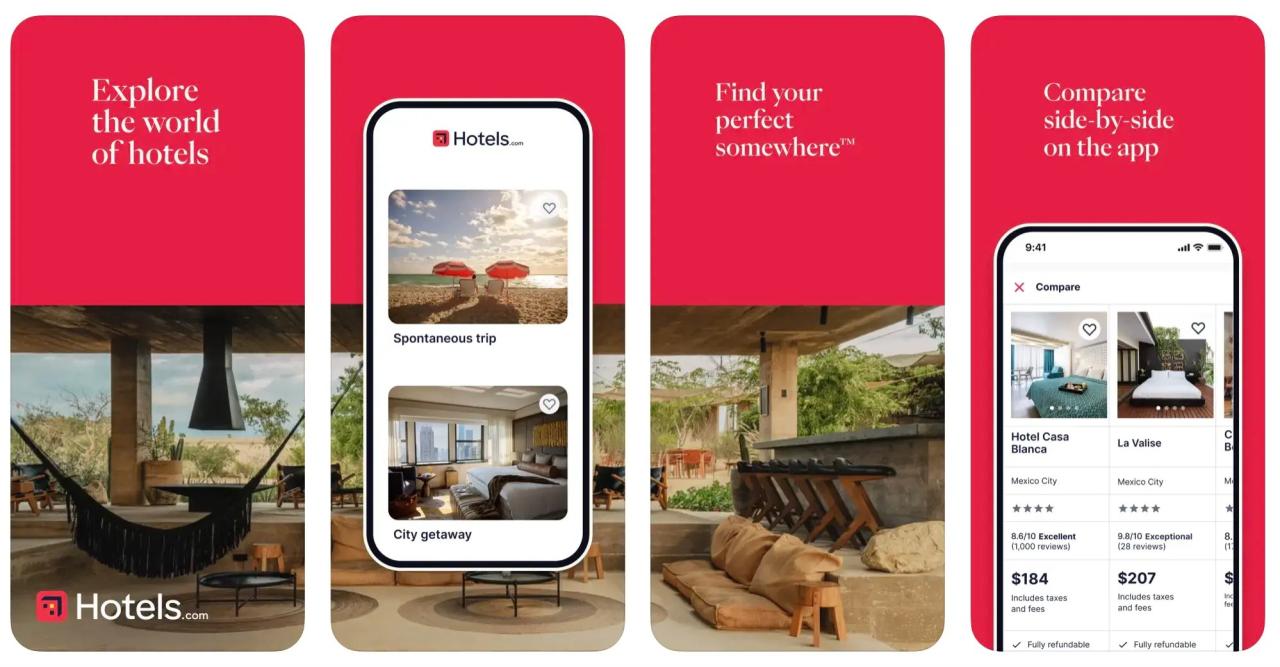
Source: storyblok.com
In conclusion, finding the best app to find cheap hotels involves careful consideration of features, user reviews, and personal preferences. While no single app reigns supreme, this guide has provided a thorough analysis of popular choices, enabling you to make an informed decision. Beyond the top apps, alternative methods like travel aggregators and social media groups also offer potential savings. Ultimately, by understanding the market and your needs, you can confidently secure affordable lodging for your next adventure.