Bed and Breakfast Booking Software A Comprehensive Guide
Bed and breakfast booking software is revolutionizing how these charming establishments manage reservations and interactions with guests. This guide dives deep into the various aspects of this crucial tool, from its fundamental functionalities to advanced features and considerations for seamless integration with existing systems.
The software encompasses a range of options, from basic online booking platforms to premium solutions with advanced features like automated confirmations and secure payment processing. Understanding the different types, key features, and pricing models is essential for choosing the right software for your bed and breakfast. This analysis will also explore the importance of user experience, integration with existing systems, security measures, and effective marketing tools. Ultimately, a robust booking system can significantly enhance operational efficiency and guest satisfaction.
Overview of Bed and Breakfast Booking Software
Source: ucarecdn.com
Bed and breakfast booking software streamlines the entire guest management process, from initial inquiries to final payments. This sophisticated technology significantly improves operational efficiency, freeing up owners to focus on providing exceptional guest experiences. The range of features and options available allows bed and breakfasts of all sizes to find a solution that fits their specific needs and budget.
Modern booking systems facilitate seamless online bookings, enabling guests to browse availability, view details, and make reservations directly through the platform. This approach improves accessibility and provides a more convenient experience for both hosts and guests.
Core Functionalities of Booking Software
Bed and breakfast booking software typically encompasses a suite of features designed to optimize operations. These features often include online booking capabilities, automated email communications, secure payment processing, and comprehensive guest management tools. Accurate and up-to-date room availability is crucial, which is often automatically managed by the software.
Types of Booking Software
Booking software comes in various formats, catering to different business needs and resources. Cloud-based solutions offer scalability and accessibility, while on-premises systems provide more control and customization. Cloud-based options typically require minimal initial investment, while on-premises systems might be more suitable for larger establishments with specific IT infrastructure needs. Choosing the right type depends heavily on the size and technical capabilities of the bed and breakfast.
Key Features Differentiating Premium and Basic Software
Premium booking software often includes advanced features beyond the basic functionalities. These features can enhance the guest experience and improve the overall efficiency of the bed and breakfast. Premium options might incorporate features like advanced reporting tools, integrated marketing channels, and sophisticated guest communication features. Basic options, while still functional, might lack the same level of flexibility and customization.
Comparison of Software Options
| Feature | Basic | Premium | Enterprise |
|---|---|---|---|
| Online Booking | ✓ | ✓ | ✓ |
| Automated Email Communications | ✓ | ✓ | ✓ |
| Secure Payment Processing | ✓ | ✓ | ✓ |
| Guest Management Tools | ✓ | ✓ | ✓ |
| Room Availability Management | ✓ | ✓ | ✓ |
| Advanced Reporting | ✕ | ✓ | ✓ |
| Integrated Marketing Channels | ✕ | ✓ | ✓ |
| Customizable Design | Limited | Moderate | High |
| Pricing | Lower | Mid-range | Higher |
Note: The table above provides a general comparison. Specific features and pricing may vary between different software providers.
User Experience and Interface Design: Bed And Breakfast Booking Software
Source: bnbforms.com
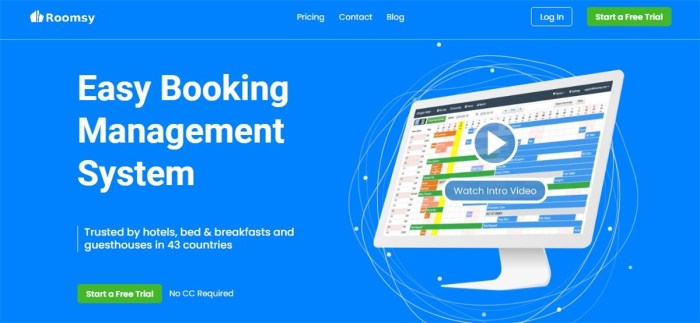
A user-friendly interface is paramount for bed and breakfast booking software. A positive user experience directly impacts booking conversions and fosters customer loyalty. Intuitive design elements, clear presentation of information, and a mobile-responsive platform are crucial for success. Owners need a simple way to manage bookings and availability, while guests should find the process seamless and enjoyable.
Importance of User-Friendly Interfaces
A well-designed interface significantly impacts a bed and breakfast’s online presence and booking efficiency. A smooth and intuitive experience encourages guests to book and fosters a positive first impression. Conversely, a confusing interface can deter potential customers and result in lost revenue. Clear presentation of room details, pricing, and availability is essential for a positive user experience.
Intuitive Navigation and Clear Presentation
Intuitive navigation is critical to a positive user experience. Users should easily find the information they need, such as room details, pricing, and availability calendars, without difficulty. Clear presentation of information, using visual cues, consistent formatting, and easily digestible text, will contribute to a more positive and productive user experience. The site should be easy to scan and navigate, allowing users to quickly find what they need.
Mobile-Responsive Design Best Practices
Mobile-responsive design is essential in today’s digital landscape. A booking platform should adapt seamlessly to various screen sizes, ensuring a consistent and enjoyable experience across desktops, tablets, and smartphones. This requires careful consideration of layout, typography, and image optimization to maintain usability and visual appeal. Key considerations include touch-friendly controls, clear call-to-actions, and optimized loading speeds.
Guest User Journey
The guest journey begins with browsing available rooms. This should be quick and easy, with clear filters for dates, room types, and guest numbers. Once a room is selected, the guest can review details, including amenities, photos, and pricing. Booking involves selecting dates, guests, and payment methods. Confirmation and communication are vital steps, ensuring the guest receives clear and concise information about the booking. Finally, the guest should receive a booking confirmation and access to relevant information.
Owner User Journey
Owners need to manage availability, pricing, and bookings efficiently. The platform should allow owners to easily update room availability, adjust pricing, and receive booking notifications. Reporting tools are vital for analyzing occupancy rates, identifying trends, and making informed decisions. A streamlined booking process reduces manual effort, increasing efficiency and minimizing administrative tasks.
Wireframe for a Mobile-Friendly Booking Page
| Element | Description |
|---|---|
| Header | Includes logo, navigation menu (e.g., rooms, about, contact), and search bar. |
| Room Listing | Displays rooms with images, brief descriptions, pricing, and availability calendar. |
| Room Details | Detailed view of selected room, including amenities, photos, and a booking form. |
| Booking Form | Collects guest information, date selection, number of guests, and payment method. |
| Confirmation | Displays booking confirmation and provides access to booking details. |
Integration with Existing Systems
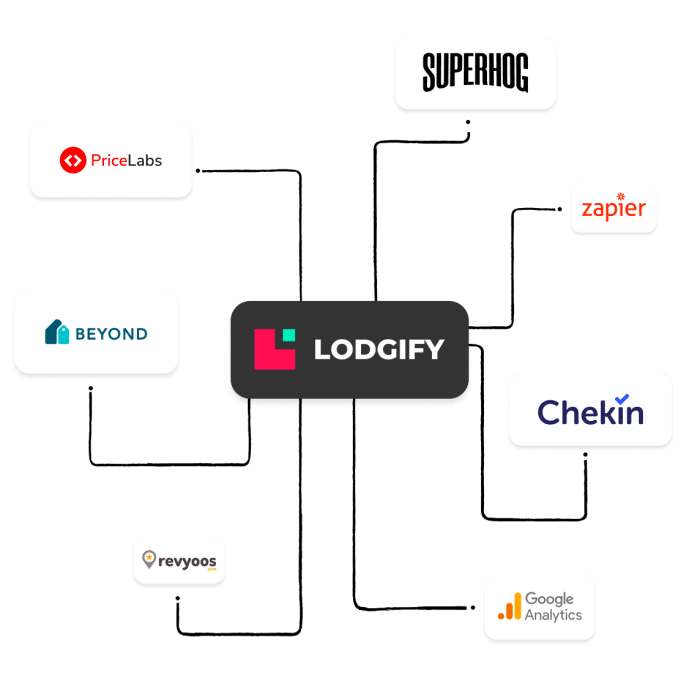
Seamless integration with existing reservation systems and property management software is critical for a bed and breakfast booking software’s success. This ensures a smooth transition of data, avoids manual entry errors, and streamlines the overall workflow. A well-integrated system reduces operational overhead and improves the guest experience.
Efficient data management is fundamental to the success of any business. Integration with existing systems eliminates the need for duplicated effort and ensures data consistency across platforms. This approach also improves the accuracy of information and reduces the likelihood of errors.
Integration Methods
Integrating booking software with existing systems often involves various methods, each with its advantages and disadvantages. API (Application Programming Interface) integrations allow for direct communication between systems, facilitating a streamlined data exchange. Plugins, on the other hand, provide a more user-friendly approach, often with pre-built functionalities for specific PMSs.
- APIs (Application Programming Interfaces): APIs allow for direct communication between systems, enabling real-time data updates and reducing manual data entry. Advantages include increased efficiency and data accuracy. Disadvantages might include the complexity of implementation and potential technical challenges if not handled properly. Examples of successful API integrations include connecting a B&B’s reservation system with a payment gateway to automatically process transactions.
- Plugins: Plugins offer a more user-friendly alternative for integration, especially when working with specific property management software. They often provide pre-built functionalities tailored to the PMS, making integration faster. However, plugin compatibility can be limited, and the functionality may not be as flexible as API integrations.
Compatibility with Popular PMSs
The compatibility of booking software with various PMSs (Property Management Systems) is a crucial factor to consider. Different booking software may support different PMSs, and the level of support can vary. For example, some software may support integrations with popular PMSs like Booking.com or Expedia, while others may have limited compatibility.
| Booking Software | Compatibility with Booking.com | Compatibility with Expedia | Compatibility with Airbnb |
|---|---|---|---|
| Software A | Excellent | Good | Limited |
| Software B | Good | Excellent | Excellent |
| Software C | Limited | Limited | Excellent |
Email Marketing Tool Integration
Integrating the booking software with email marketing tools allows for automated communication with guests. This enables sending pre-arrival welcome emails, reminders about upcoming bookings, and post-stay feedback requests. This automated system significantly enhances customer service and strengthens customer relationships.
- Automation: Automated email sequences can be triggered based on booking stages (confirmation, reminder, post-stay), providing a seamless guest experience.
- Personalized communication: Integrating email marketing with booking software allows for personalized communication based on guest preferences and booking details.
- Improved communication: Streamlined communication helps manage guest expectations and build trust.
Payment Gateway Connection
Connecting the booking software to secure payment gateways is essential for handling transactions. This ensures smooth and secure online payments for bookings. It also allows for various payment methods, such as credit cards, debit cards, and online wallets.
- Security: Secure payment gateways are crucial to protect sensitive financial information. Use of industry-standard security protocols ensures compliance and protects both the business and the guest.
- Flexibility: Support for multiple payment options enhances guest convenience and broadens customer reach.
- Data management: The connection ensures accurate tracking of payments and financial transactions.
Features for Enhanced Bookings

Modern bed and breakfast booking software must offer advanced features to streamline the process for both guests and owners. These enhancements improve the user experience, increase security, and optimize operational efficiency. A robust system allows for seamless online transactions, automated communications, and real-time inventory management.
This section details the crucial features for enhanced bookings, including online payment processing, secure transactions, automated confirmations, guest communication tools, customized booking calendars, and real-time availability tools. These features contribute significantly to a positive and secure experience for all parties involved.
Online Payment Processing and Secure Transactions
Online payment processing is a critical feature for modern booking software. It provides a secure and convenient method for guests to pay for their stays. Integration with reputable payment gateways ensures secure transactions, protecting both guests’ and owners’ financial information. This feature eliminates the need for manual handling of payments, reducing administrative burden for owners and ensuring prompt payment processing. Moreover, it encourages online bookings and expands the potential customer base.
Automated Confirmations and Guest Communication, Bed and Breakfast Booking Software
Automated confirmations and messaging systems streamline the booking process. These systems automatically send booking confirmations and other crucial information to guests, like directions, check-in procedures, or special requests. Owners can also use these systems for automated communications, reducing manual effort and ensuring timely responses to guest inquiries. This approach improves efficiency and guest satisfaction by providing prompt and reliable information. Furthermore, these automated systems allow owners to gather guest feedback and preferences, leading to improvements in the guest experience.
Customized Booking Calendars and Personalized Experiences
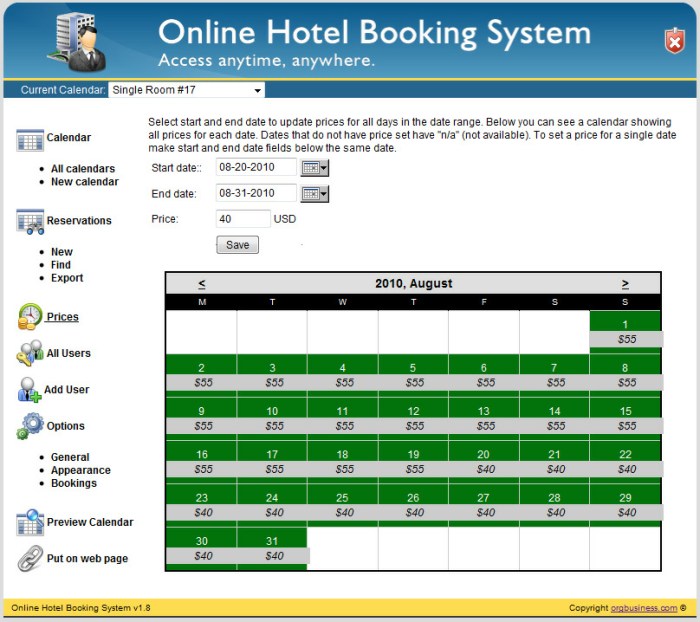
Customized booking calendars enable owners to effectively manage their availability and accommodate various booking types. This includes the ability to block off specific dates, specify room types, and set pricing for different periods. The system can also provide insights into booking patterns, enabling owners to adapt to customer demands and maximize occupancy. Moreover, personalized guest experiences can be implemented through tailored communications, special offers, and recommendations, based on the guest’s preferences or past bookings. This fosters loyalty and encourages repeat business.
Real-Time Availability and Inventory Management
Real-time availability and inventory management tools are crucial for preventing double bookings and ensuring accurate representation of room availability. These tools automatically update room status in real-time, reflecting the current occupancy. Such features allow guests to view real-time availability and select the desired room and dates. This helps avoid conflicts and enhance the overall efficiency of the booking process. This also contributes to optimizing revenue generation by maximizing occupancy and providing guests with immediate access to available rooms.
Security and Data Management
Source: lodgify.com
Ensuring the security and privacy of guest data is paramount for any bed and breakfast booking software. Trust is essential for building customer loyalty and maintaining a positive reputation. Robust security measures and adherence to data protection regulations are crucial to mitigate risks and build confidence in the platform.
Importance of Data Security and Privacy
Guest information, including personal details, payment data, and booking preferences, must be treated with the utmost care. Breaches of security can result in significant financial and reputational damage, impacting both the bed and breakfast and the guest. Protecting sensitive data safeguards the privacy of guests, fosters trust, and avoids potential legal liabilities.
Security Measures Employed by Reputable Booking Platforms
Reputable booking platforms implement a variety of security measures to protect guest information. These measures often include encryption of data in transit and at rest, employing strong passwords and multi-factor authentication, and regular security audits and vulnerability assessments. They also have incident response plans in place to address potential security breaches swiftly and effectively. For example, Secure Sockets Layer (SSL) encryption is commonly used to protect data transmitted between the guest’s browser and the booking system. This ensures that sensitive information, such as credit card numbers, is transmitted securely.
Compliance with Data Protection Regulations
Adherence to relevant data protection regulations, such as the General Data Protection Regulation (GDPR), is vital. This includes obtaining explicit consent from guests for data collection and use, providing clear privacy policies, and implementing mechanisms for data subject access requests. Strict adherence to these regulations ensures compliance and minimizes the risk of penalties and legal issues. For instance, GDPR mandates specific requirements for data storage, retention, and security, which must be rigorously followed.
Protecting the Booking System from Fraudulent Transactions and Unauthorized Access
Implementing robust fraud detection systems is essential to prevent fraudulent transactions. These systems can analyze patterns in guest behaviour, transaction details, and payment information to identify suspicious activity. Furthermore, strong access controls and user authentication mechanisms are critical to limit unauthorized access to the booking system. These safeguards might include measures like IP address monitoring and transaction monitoring systems. Examples include limiting access to sensitive data based on user roles and using advanced algorithms to identify fraudulent transactions in real-time.
Best Practices for Securing the Booking Software
- Regular Security Audits: Regular security assessments, including penetration testing, help identify vulnerabilities and ensure the system remains secure. This helps identify and patch potential weaknesses proactively, before they can be exploited. Penetration testing involves simulating real-world attacks to evaluate the system’s security posture.
- Strong Passwords and Multi-Factor Authentication: Enforcing strong password policies and implementing multi-factor authentication (MFA) adds an extra layer of security. MFA requires users to provide multiple forms of verification, such as a code from their phone, making unauthorized access significantly more difficult. Password complexity requirements, like enforcing minimum length and character types, should be implemented.
- Regular Software Updates: Keeping software up-to-date with the latest security patches mitigates known vulnerabilities. This proactive approach is crucial in addressing security flaws as they are discovered. This includes regular updates to operating systems, application software, and security frameworks.
- Secure Payment Gateways: Utilizing reputable and secure payment gateways is vital for processing transactions securely. These gateways often employ advanced encryption and fraud detection technologies to protect sensitive payment information. This minimizes the risk of data breaches and fraudulent activity.
- Data Encryption: Encrypting data both in transit and at rest protects sensitive information from unauthorized access. Encryption ensures that even if data is intercepted, it cannot be deciphered without the appropriate decryption key. Data encryption is critical for safeguarding personal information like names, addresses, and credit card details.
Marketing and Promotion Tools
Booking software offers powerful tools to enhance marketing efforts for bed and breakfasts, moving beyond basic listings to targeted promotions and data-driven strategies. This allows businesses to connect with potential guests more effectively and convert bookings more efficiently.
The integrated marketing tools in the software empower bed and breakfasts to manage their online presence comprehensively, from social media to email campaigns, all within a single platform. This streamlines the process and ensures consistency in branding and messaging across different channels.
Enhanced Marketing Channels
The software facilitates integration with various online platforms, allowing for seamless sharing of booking information and special offers across social media channels like Facebook, Instagram, and Twitter. This increases brand visibility and drives traffic to the B&B’s website and booking page. This is particularly important for attracting a wider audience.
Targeted Advertising Campaigns
The software allows for targeted advertising campaigns based on guest demographics, interests, and past booking history. This ensures that marketing efforts reach the most relevant potential guests, maximizing the return on investment. For example, if a B&B has a history of attracting families, the software can automatically target advertisements towards families on social media platforms.
Promotional Offers and Discounts
The booking software provides tools to create and manage promotional offers and discounts easily. This includes the ability to set specific dates for discounts, package deals, or seasonal promotions. The software allows for the automated application of these discounts at the time of booking. A B&B could, for instance, offer a 15% discount on stays during the off-season.
Booking Metric Tracking and Optimization
The software allows for comprehensive tracking of booking metrics, such as conversion rates, average booking value, and customer demographics. This data provides valuable insights into the effectiveness of different marketing strategies and allows for continuous optimization. For example, if a specific social media campaign is underperforming, the data will reveal this, allowing for adjustments to the campaign. By analyzing booking metrics, a B&B can identify trends and patterns to refine its marketing strategy and maximize revenue.
Pricing and Support Models

Choosing the right pricing and support model is crucial for a successful bed and breakfast booking software. A well-structured pricing model ensures transparency and value for both the provider and the user. Effective customer support, in turn, builds trust and fosters long-term relationships, ultimately impacting the software’s adoption and success.
A thoughtfully designed pricing strategy, combined with robust support, empowers bed and breakfasts to efficiently manage bookings and enhance guest experiences. This allows for a more streamlined business operation, enabling the business owners to focus on other essential aspects of running their establishment.
Pricing Models Comparison
Different pricing models cater to various needs and budgets. Understanding the nuances of each model is essential for making an informed decision.
- Subscription-based model: This model involves a recurring fee for access to the software’s features. It offers predictable costs and usually includes access to updates and support. This is often the most popular model for its simplicity and predictability for users.
- Per-booking model: A per-booking fee is charged for each reservation processed through the software. This model is suitable for businesses with fluctuating booking volumes or those who wish to pay only for the service used. However, it can be less predictable in terms of overall costs compared to a subscription model.
- Hybrid model: A combination of subscription and per-booking fees. This model offers flexibility by allowing users to pay a base subscription fee for core features and additional per-booking fees for premium services or extra functionalities. It balances predictable costs with the option to expand functionality as needed.
Importance of Comprehensive Customer Support
High-quality customer support is vital for user satisfaction and software adoption. It demonstrates the provider’s commitment to assisting users and resolving any issues that may arise. This fosters a sense of security and trust in the product, crucial for long-term customer relationships.
Types of Customer Support Models
Various support models are available to meet diverse needs and preferences. Each model offers a distinct approach to assisting.
- Live chat: This offers real-time assistance, providing immediate solutions to user queries. It’s particularly helpful for quick troubleshooting and addressing urgent concerns. Real-time interaction and prompt responses are key advantages of this method.
- Email: Email support is a common and convenient option for users who prefer asynchronous communication. It’s well-suited for detailed inquiries or complex issues that require more time to resolve. Email allows for a comprehensive record of the interaction and easy access to past correspondence.
- Phone: Phone support provides a direct and personalized approach, ideal for complex technical issues or nuanced questions that need a more detailed discussion. It facilitates a personal connection and is often preferred for sensitive or time-critical matters.
Levels of Support Offered by Providers
Different providers offer various levels of support, reflecting varying degrees of commitment to customer satisfaction. These different levels cater to diverse needs and budgets.
| Level of Support | Description |
|---|---|
| Basic | Limited support options, such as self-help resources and basic email assistance. |
| Standard | Includes email, phone, and potentially live chat support with response times within a certain timeframe. |
| Premium | Offers 24/7 support via multiple channels (live chat, phone, email), prioritization of responses, and dedicated account managers for complex needs. |
Effective Customer Support Strategies
Several strategies contribute to a positive customer support experience. These strategies enhance efficiency, responsiveness, and the overall user experience.
- Proactive support: Anticipating potential issues and providing helpful resources proactively reduces the need for reactive support. This demonstrates a proactive approach and reduces user frustration.
- Knowledge base: A well-maintained knowledge base offers self-service solutions for common queries. This reduces the workload on support staff and provides quick answers to users, saving valuable time.
- Prompt responses: Rapid responses to user inquiries are crucial for maintaining a positive user experience. This builds trust and shows a commitment to helping users quickly. Timely responses are key to a successful support strategy.
Wrap-Up
In conclusion, selecting the right bed and breakfast booking software is a critical decision that impacts both the guest experience and the operational efficiency of the establishment. This comprehensive guide has explored the diverse functionalities, integration options, and pricing models available. By carefully evaluating the features, user experience, and security protocols, bed and breakfast owners can choose a system that aligns with their specific needs and budget. Ultimately, the selection process should prioritize seamless integration, user-friendliness, and security, all of which contribute to a positive guest experience and long-term success.