Lodging Booking Software Your Ultimate Guide
Lodging booking software is revolutionizing how hotels, vacation rentals, and other lodging businesses operate. It streamlines the entire booking process, from initial inquiries to final payment. This comprehensive guide explores the multifaceted aspects of lodging booking software, examining its various functionalities, benefits, and considerations for implementation.
From online booking and payment processing to guest management and inventory control, lodging booking software offers a suite of features designed to optimize efficiency and enhance the guest experience. Understanding the different types of software available, tailored for various lodging businesses, is crucial. This guide will detail the key features, user experience, integration capabilities, security protocols, and pricing models to assist businesses in selecting the ideal software solution.
Introduction to Lodging Booking Software
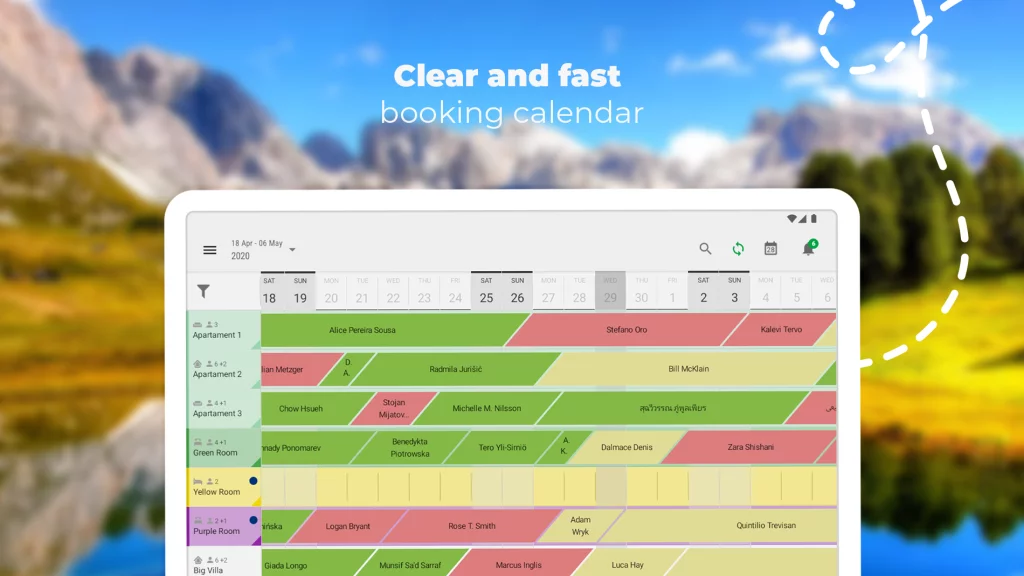
Lodging booking software streamlines the process of managing reservations for various types of accommodations. From hotels and resorts to vacation rentals and campsites, these platforms automate crucial tasks, reducing administrative overhead and improving operational efficiency. This software empowers lodging businesses to optimize their revenue, enhance guest experience, and gain a competitive edge in the marketplace.
Lodging booking software encompasses a range of functionalities, including online reservation management, guest communication, payment processing, inventory control, and reporting. Different types of software cater to diverse needs, from basic reservation systems for small businesses to comprehensive platforms for large chains with multiple properties.
Types of Lodging Booking Software
Various lodging booking software solutions cater to specific accommodation types. Some are tailored for hotels, while others specialize in vacation rentals or campsites. There are even platforms that manage both types of properties. This versatility allows businesses to select a system that precisely meets their requirements and effectively manages their operations.
Benefits of Using Lodging Booking Software
Implementing lodging booking software offers numerous advantages. Reduced administrative costs are a primary benefit, as automated processes replace manual tasks. Improved revenue management is another significant advantage, allowing for better pricing strategies and maximizing occupancy rates. Enhanced guest communication is also crucial, as lodging booking software facilitates seamless communication with guests.
Common Features of Lodging Booking Software
Across different platforms, several features are common. These features typically include online booking capabilities, secure payment processing, customizable room inventory management, and guest communication tools. Furthermore, reporting and analytics are essential for businesses to monitor performance and identify areas for improvement. These features streamline operations, enhance guest experience, and provide valuable data for informed decision-making.
Types of Lodging Businesses and Their Needs
| Type of Lodging Business | Specific Features Needed |
|---|---|
| Hotels | Advanced room inventory management, robust payment processing, guest communication tools, and detailed reporting on occupancy rates, revenue, and guest feedback. |
| Vacation Rentals | Property listings and management, detailed calendar management, secure payment processing, and guest communication tools. |
| Campgrounds | Inventory management for campsites, reservation management, online payment processing, and tools for managing amenities and activities. |
| Boutique Hotels | Advanced marketing and distribution tools, detailed reporting on revenue and occupancy rates, customizable booking options, and guest relationship management tools. |
| Airbnb-like platforms | Scalable platform for managing a large number of listings, advanced search and filtering features, payment processing integrations, and robust customer support channels. |
This table illustrates how various lodging businesses can benefit from the appropriate lodging booking software. The features tailored to each business type are crucial for optimizing their operations and maximizing efficiency.
Features and Functionality
Lodging booking software plays a critical role in streamlining operations for hotels, motels, and other accommodation providers. Its core functionality empowers them to efficiently manage bookings, guest interactions, and financial transactions, leading to enhanced profitability and improved guest experiences. This section delves into the key features and functionalities of such software.
Online Booking
Online booking systems are essential for modern lodging businesses. They allow guests to browse available rooms, select dates, and book accommodations directly through the website or mobile application. This accessibility enhances convenience for guests and boosts online visibility for lodging providers. The system can handle multiple booking types, such as individual rooms, suites, or entire facilities. The user interface (UI) should be intuitive and user-friendly to encourage seamless booking processes.
Payment Processing
Secure payment processing is paramount in lodging booking software. The software must integrate with reliable payment gateways to facilitate secure transactions. This ensures that sensitive financial data is protected and that payments are processed efficiently. Features like recurring billing and various payment options (credit cards, debit cards, and digital wallets) enhance the guest experience. The use of encryption protocols is vital for data protection.
Guest Management
Effective guest management is crucial for a positive guest experience and operational efficiency. The software should enable hotels to maintain comprehensive guest profiles, including contact details, booking history, and preferences. This data can be utilized to personalize guest interactions and provide tailored services. The system can also track guest feedback and reviews, providing valuable insights for improvement.
Inventory Management
Inventory management is critical for lodging businesses to accurately track room availability. The software should allow for real-time updates on room occupancy, ensuring accurate representation of available rooms to potential guests. The system should integrate with other aspects of the business, such as housekeeping and maintenance, to optimize resource allocation. Real-time updates ensure that the information presented to guests is always current.
Secure Payment Gateways
The security of payment transactions is paramount. Robust payment gateways, compliant with industry standards like PCI DSS, are critical to protect sensitive financial data. The software should employ encryption technologies and adhere to stringent security protocols. This mitigates the risk of fraud and ensures customer trust. Examples include Stripe, PayPal, and Authorize.net.
Customer Relationship Management (CRM) Tools
CRM tools in lodging booking software facilitate better communication and relationship management with guests. These tools help manage guest interactions, track preferences, and personalize communications. This leads to improved guest loyalty and repeat business. A CRM system can store and analyze guest data to segment customers and target specific marketing campaigns.
Reporting and Analytics
Reporting and analytics tools are essential for data-driven decision-making in lodging businesses. The software should provide comprehensive reports on booking trends, revenue performance, and guest behavior. These reports can help identify areas for improvement and optimize operational strategies. Tools like data visualization dashboards and customizable reports provide actionable insights.
Software Comparison
| Software Solution | Online Booking | Payment Processing | Guest Management | Inventory Management |
|---|---|---|---|---|
| Software A | User-friendly interface, multiple booking types | Secure gateways, recurring billing | Detailed guest profiles, feedback tracking | Real-time availability updates |
| Software B | Intuitive interface, mobile-friendly | Various payment options, secure encryption | Guest segmentation, personalized communication | Automated inventory updates |
| Software C | Advanced search filters, integration with external platforms | PCI DSS-compliant gateways, secure transactions | Detailed guest history, loyalty program integration | Predictive analytics for room allocation |
User Experience and Interface
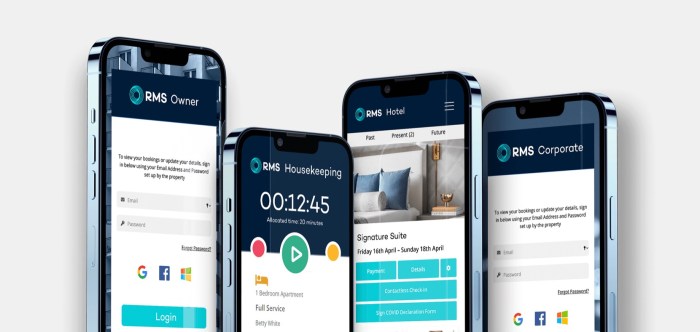
A user-friendly interface is crucial for a successful lodging booking software. A seamless and intuitive experience for both guests and business owners directly impacts the software’s adoption and overall effectiveness. A well-designed interface reduces friction in the booking process, making it easier for guests to find the right accommodation and for owners to manage their properties efficiently.
The booking process should be straightforward to navigate for all users. Guests should be able to quickly and easily search for available rooms, compare options, and make reservations. Business owners should have clear and accessible tools to manage their listings, track bookings, and receive payments. This streamlined approach not only enhances the user experience but also optimizes the operational efficiency of the lodging business.
Impact on Booking Process
A user-friendly interface directly influences the booking process. A smooth experience for guests encourages repeat bookings and positive reviews, while a streamlined process for business owners facilitates efficient property management and increased revenue. The ease of use for both parties is essential for the software’s success.
Intuitive Booking Experiences for Guests

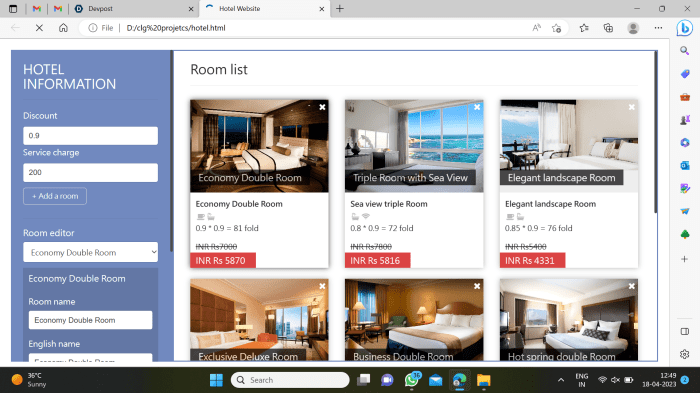
Several elements contribute to an intuitive booking experience for guests. Clear and concise search filters allow guests to narrow down their options based on specific needs. Detailed property descriptions and high-quality images help guests visualize the accommodation and make informed decisions. Real-time availability updates ensure that guests are presented with current options and avoid any confusion. An intuitive booking calendar with a clear display of available dates and times further facilitates the booking process. For example, a guest searching for a family room in a specific area on a particular date should be able to quickly identify and select the appropriate option.
Customizing the Software
The software’s design can be customized to match the brand identity of the lodging business. Customizable logos, colors, and fonts can align the software’s appearance with the existing brand image. This personalization enhances the user experience and strengthens brand recognition. By reflecting the business’s unique aesthetic, the software becomes an integral part of the overall brand experience.
Integration with Other Systems
The software can be integrated with other business systems to improve efficiency and data management. Integration with a central reservation system, for instance, can automatically update availability across multiple properties. Integration with payment gateways ensures secure and efficient payment processing. Integrating with CRM systems allows for seamless customer relationship management, leading to improved communication and customer service.
User Interface Elements
| Interface Element | Importance |
|---|---|
| Booking Forms | Essential for guests to input their details and make reservations accurately. Clear instructions and validation mechanisms prevent errors. |
| Dashboards | Provide business owners with a centralized view of their property’s performance, including bookings, revenue, and occupancy rates. Data visualizations make key information easily accessible. |
| Search Filters | Enable guests to refine their search for accommodations based on specific criteria, such as location, amenities, and price range. |
| Property Descriptions | Offer comprehensive details about the lodging to help guests make informed decisions. High-quality images and videos enhance the visual experience. |
| Real-time Availability | Ensures that guests see accurate information about available rooms, preventing double bookings and maximizing occupancy rates. |
Integration and Compatibility
Seamless integration with existing systems is crucial for lodging booking software. A well-integrated solution allows for smooth data flow, reduces manual effort, and enhances operational efficiency. This is particularly important for businesses that already have established property management systems (PMS) or point-of-sale (POS) systems. Effective integration minimizes data duplication and ensures accurate information across all platforms.
The choice of lodging booking software should always consider the existing infrastructure. A poorly integrated system can lead to significant operational challenges and potentially impact the bottom line. Understanding the technical aspects of integration, including API connections and data mapping, is essential for selecting and implementing the right software.
Importance of Integration with Other Systems
Effective integration streamlines workflows by connecting the booking software with other crucial systems. This eliminates the need for manual data entry and reduces the risk of errors. For example, real-time updates on room availability from the PMS to the booking software enhance the guest experience and prevent overbookings. Integration with POS systems allows for automatic updates on payments and guest information, ensuring accurate financial records.
Examples of Successful Integrations
Many successful integrations demonstrate the value of connecting booking software with other systems. One example involves a hotel chain integrating their booking software with their PMS. This integration allowed them to instantly update room availability in the booking system, ensuring accurate information for guests and reducing double-booking risks. Another example is a bed and breakfast integrating their booking software with a payment gateway, automating payment processing and improving transaction security.
Choosing the Right Software Based on Existing Systems
When selecting lodging booking software, careful consideration of existing systems is paramount. The software should be compatible with the PMS, POS, and other relevant systems. This compatibility should be verified through API documentation, testing, and preferably, pilot projects. A detailed assessment of existing systems and software requirements is essential to ensure a smooth transition. This includes evaluating the software’s ability to handle data formats, security protocols, and any custom integrations needed.
Technical Aspects of Integration and Compatibility
Technical integration involves several key aspects. API connections are crucial for exchanging data between systems. Data mapping is essential for ensuring that data from one system is correctly interpreted and utilized by another. Compatibility with various operating systems and browsers is also critical for a wide range of users. Consideration of security protocols, data encryption, and data privacy is paramount to protect sensitive information.
Steps to Ensure Seamless Integration
A well-defined integration process is critical for a smooth transition. The first step involves a thorough assessment of existing systems. Next, detailed specifications of the required integration should be created. Third, potential integration solutions should be evaluated and tested. Finally, a phased implementation plan should be developed and executed. Proper documentation and ongoing support are essential for long-term success.
Integration Options and Benefits
| Integration Option | Potential Benefits |
|---|---|
| API Integration | Real-time data synchronization, automated updates, reduced manual effort, enhanced accuracy. |
| Middleware Integration | Handles complex data formats, facilitates communication between disparate systems, and provides a centralized point for integration. |
| Custom Integration | Addresses unique business needs, allows for specific data transformations, and enables highly tailored functionality. However, custom integrations are typically more complex and costly. |
Security and Data Management

Source: ezulix.com
Robust security and meticulous data management are paramount for any lodging booking software. These features safeguard sensitive guest information, ensure compliance with industry regulations, and protect the integrity of the system. A secure platform fosters trust, encourages bookings, and ultimately contributes to the success of the hospitality business.
Data encryption, secure access controls, and regular audits are essential elements of a comprehensive security strategy. These measures mitigate risks associated with unauthorized access, data breaches, and other potential threats. Protecting guest data is a critical responsibility, ensuring that personal information remains confidential and is used ethically.
Security Protocols and Measures
The software employs industry-standard encryption protocols, such as TLS/SSL, to protect data during transmission. This ensures that sensitive information, like credit card details and personal identifiers, is scrambled and cannot be intercepted during transit. Access to the system is restricted using strong passwords, multi-factor authentication, and role-based permissions. These measures limit unauthorized access to critical data and system functionalities. Regular security audits and penetration testing are performed to identify and address potential vulnerabilities.
Data Encryption and Protection
Data encryption is crucial for protecting sensitive guest information. The software utilizes advanced encryption algorithms to scramble data at rest and in transit. This process renders the data unreadable to unauthorized parties, significantly reducing the risk of data breaches. Data encryption is not just about protecting credit card numbers, but also about safeguarding personal details, booking preferences, and other confidential information.
Compliance Requirements
Adherence to data privacy regulations, such as GDPR and CCPA, is mandatory. The software is designed to meet these requirements, ensuring compliance with data protection laws and regulations. The system handles personal data responsibly, obtaining consent, providing transparency, and enabling data subject rights. This includes the right to access, rectify, and erase personal data.
Data Backup and Recovery
Regular data backups are critical for disaster recovery. The software employs a robust backup and recovery system, ensuring data redundancy and business continuity. This involves scheduled backups, off-site storage, and comprehensive recovery procedures. This process safeguards against data loss due to system failures, hardware malfunctions, or malicious attacks. Test backups are also regularly performed to ensure the restoration process is effective and data integrity is maintained.
Software Updates and Security Patches, Lodging booking software
Regular software updates are essential for maintaining security. The software automatically checks for and installs security patches, mitigating potential vulnerabilities and ensuring the system is protected from known threats. Proactive updates ensure that the software is always up-to-date with the latest security measures.
Security Features Effectiveness
| Security Feature | Effectiveness |
|---|---|
| TLS/SSL Encryption | High – Protects data during transmission. |
| Multi-Factor Authentication | High – Adds an extra layer of security. |
| Regular Security Audits | High – Identifies and addresses potential vulnerabilities. |
| Data Encryption at Rest | High – Protects data stored in the system. |
| Data Backup and Recovery | High – Ensures data availability and business continuity. |
| Automated Security Patching | High – Mitigates known security threats. |
Pricing and Implementation
Choosing the right lodging booking software involves careful consideration of pricing models and implementation strategies. Different solutions cater to various needs and budgets, from small boutique hotels to large resort chains. Understanding the nuances of pricing structures and the implementation process is crucial for a successful transition.
Pricing models for lodging booking software vary significantly, reflecting the diverse functionalities and features offered. Factors like the number of users, room types, and desired integrations often influence the final cost. Effective implementation is key to maximizing the software’s potential, requiring careful planning and execution.
Pricing Models Comparison
Different lodging booking software providers employ various pricing models. Some offer tiered pricing plans, others utilize subscription-based models, and a few even offer customized packages. Understanding these models is essential to selecting the best fit for a specific property or organization.
| Pricing Model | Description | Typical Features Included | Potential Drawbacks |
|---|---|---|---|
| Tiered Pricing | Packages with increasing features and capacity at higher price points. | Basic booking, reporting, and user management features are included in lower tiers. Higher tiers add advanced functionalities like inventory management, channel management, and online payments. | May not be suitable for properties with highly specific or evolving needs. Difficult to scale as the property grows. |
| Subscription-Based | Monthly or annual fees for access to the software and its features. | Usually includes all features, with ongoing updates and support. | It can be expensive for small properties, and the cost might not align perfectly with usage. |
| Custom Pricing | Tailored packages are designed to meet the exact needs and specifications of a property. | Tailored to individual requirements, allowing for precise feature control. | It can be time-consuming and complex to negotiate, and may be more expensive compared to standardized packages. |
Factors Affecting Pricing
Several key factors influence the cost of lodging booking software. The sophistication of the software, the number of users, and the required integrations all play a significant role in determining the final price.
- Software Sophistication: Advanced features like AI-powered recommendations, dynamic pricing tools, and complex reporting capabilities increase the software’s cost. More complex software usually comes with a higher price tag.
- Number of Users: The software’s pricing structure often reflects the number of users or staff who need access. A larger team requiring access to the system typically leads to a higher cost.
- Required Integrations: Integrating with existing property management systems (PMS), payment gateways, and other crucial tools can affect the software’s cost. The complexity of integrations can influence the pricing.
- Specific Features: Demand for features like mobile apps, advanced analytics, or specific payment gateways can significantly impact the software’s price.
Implementation Steps
A well-planned implementation strategy is essential for a smooth transition to new lodging booking software. A phased approach, clear communication, and comprehensive training are crucial elements.
- Needs Assessment: Clearly define the property’s specific needs and requirements, considering existing workflows and future goals.
- Software Selection: Carefully evaluate available software options, considering pricing, features, and customer reviews.
- Data Migration: Plan and execute the transfer of existing data to the new system, ensuring accuracy and minimal disruption.
- Training and Support: Provide comprehensive training to staff on using the new software. Ensure readily available support during and after implementation.
- Testing and Optimization: Thoroughly test the system’s functionality before full deployment and make necessary adjustments for optimal performance.
Pricing Plans Examples
Different pricing plans can be structured based on the features included. For instance, a basic plan might cover core booking functionalities, while a premium plan adds advanced features like channel management.
- Basic Plan: Covers essential booking features, user management, and basic reporting tools, priced at $500/month.
- Premium Plan: Includes all features of the basic plan plus advanced reporting, inventory management, and channel management tools, priced at $1200/month.
- Enterprise Plan: Features all premium plan functionalities plus customized integrations, dedicated support, and advanced analytics tools, priced at $2500/month.
Maintenance and Support Costs
Maintenance and support costs are essential to consider. Ongoing support, software updates, and potential troubleshooting often need to be factored into the budget. The cost of these services varies depending on the provider.
- Annual Maintenance Fees: Typically range from 10% to 20% of the software’s initial cost.
- Support Packages: Dedicated support teams, FAQs, and online resources often come with different pricing tiers.
Future Trends and Innovations
Source: thehotelgm.com
Lodging booking software is constantly evolving to meet the changing needs of travelers and the lodging industry. Emerging trends like mobile-first experiences, AI-powered functionalities, and personalized recommendations are shaping the future of online reservations. This evolution promises to enhance the user experience, streamline operations for businesses, and drive greater customer satisfaction.
The future of lodging booking software is intertwined with technological advancements, impacting everything from initial browsing to post-stay interactions. This section explores key trends, their potential benefits, and how these innovations are adapting to meet diverse market needs.
Mobile-First Experiences
Mobile devices are now the primary way many people browse and book travel. Lodging booking software is adapting by prioritizing a seamless and intuitive mobile experience. This includes responsive design, optimized loading times, and simplified booking processes, allowing users to book and manage their stays on the go. Examples include streamlined mobile check-in and check-out processes and integrated mobile payment options. This mobile-first approach is expected to significantly improve user satisfaction, particularly among younger demographics.
AI-Powered Functionalities
Artificial intelligence (AI) is increasingly integrated into lodging booking software, enhancing both user experience and operational efficiency. AI can power personalized recommendations, anticipate guest needs, and automate tasks like customer service inquiries. For example, AI can analyze guest preferences and suggest relevant accommodations, leading to higher booking conversion rates. AI-powered chatbots can also handle basic inquiries and support, freeing up human staff to handle more complex issues.
Personalized Recommendations
Personalized recommendations are becoming a critical component of lodging booking software. By analyzing user data, including past bookings, preferences, and travel history, software can offer tailored suggestions for hotels, activities, and experiences. This personalization can increase customer satisfaction and drive higher booking conversions. For example, if a user frequently books family-friendly accommodations in mountain resorts, the software could proactively suggest similar options in their next search.
Adapting for Specific Market Segments
Software is being adapted to cater to specific market segments, such as budget travelers, luxury seekers, or business travelers. This involves creating tailored booking experiences with different features and options for each group. For example, budget-focused travelers might benefit from filters to identify the most affordable options, while luxury travelers might appreciate enhanced booking options for VIP services and amenities.
Impact on Customer Satisfaction
These innovations are expected to have a significant positive impact on customer satisfaction. A seamless mobile experience, intelligent recommendations, and tailored options contribute to a more efficient and personalized booking process. By anticipating and addressing user needs, the software can enhance the overall travel experience, from initial search to post-stay interactions.
Table of Potential Future Trends and Benefits
| Future Trend | Potential Benefits |
|---|---|
| Mobile-first experiences | Improved user accessibility, streamlined booking process, enhanced user satisfaction |
| AI-powered functionalities | Personalized recommendations, automated tasks, improved customer service, and higher booking conversions |
| Personalized recommendations | Enhanced user experience, higher booking conversions, increased customer satisfaction, improved customer loyalty |
| Adapting for specific market segments | Tailored booking experiences, increased customer satisfaction for diverse groups, improved market penetration |
Conclusive Thoughts: Lodging Booking Software
In conclusion, lodging booking software is a powerful tool for lodging businesses seeking to maximize revenue, streamline operations, and enhance customer satisfaction. This guide has highlighted the various facets of this software, from its core functionalities and user experience to integration and security aspects. Choosing the right software depends on factors such as the type of lodging business, desired features, budget, and existing systems. By carefully evaluating these aspects, businesses can select a solution that aligns with their specific needs and drives long-term success.