Online Hotel Booking Portal A Comprehensive Guide
Online hotel booking portal has revolutionized the way we travel, offering a convenient and efficient platform for finding and booking accommodations. From basic searches to advanced filtering options, these portals cater to diverse traveler needs. This guide explores the intricacies of online hotel booking portals, examining their functionalities, user experience, business models, and future trends.
The online hotel booking portal landscape is a complex interplay of technology, user experience, and business strategies. Different portals cater to different needs, with some emphasizing direct bookings, others metasearching across various providers. Understanding the nuances of these portals is crucial for both travelers and hospitality businesses alike.
Overview of Online Hotel Booking Portals
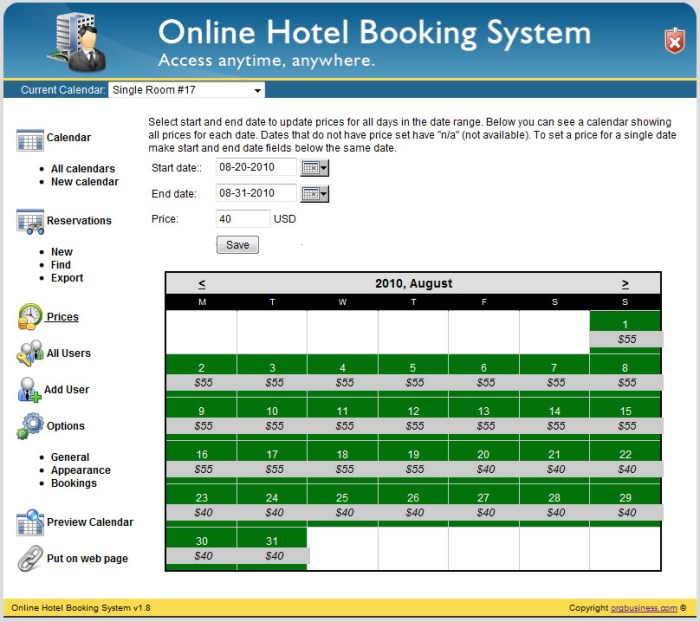
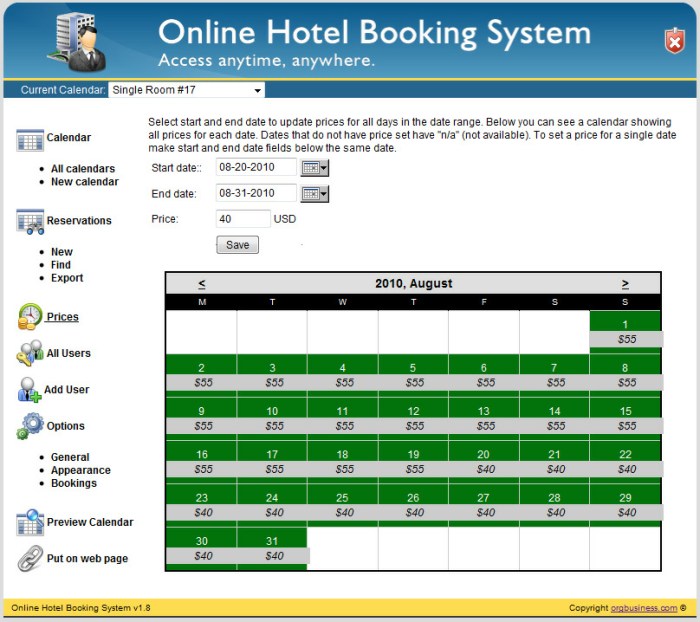
Source: bestshareware.net
Online hotel booking portals have revolutionized the way travelers and hospitality businesses interact. These platforms provide a centralized marketplace for finding and booking accommodations, offering convenience and efficiency for both sides. They facilitate a more transparent and streamlined process, connecting potential guests with a wider range of options.
Online hotel booking portals serve as intermediaries between travelers and hotels, facilitating the entire booking process. This encompasses searching for suitable accommodations, comparing prices and amenities, and securing reservations. This ease of access has significantly impacted the travel industry, driving competition and innovation.
Definition of Online Hotel Booking Portals
An online hotel booking portal is a website or application that allows users to search for, compare, and book hotel accommodations online. It acts as a digital marketplace, connecting travelers with a wide selection of hotels worldwide. These platforms typically offer a user-friendly interface for browsing hotel options, filtering by criteria like price, location, amenities, and star rating.
Key Functionalities of a Typical Online Hotel Booking Portal
A typical online hotel booking portal encompasses several key functionalities. These include a comprehensive search engine allowing users to filter results by various criteria, secure online payment gateways for seamless transactions, detailed hotel profiles showcasing amenities and reviews, and options for booking confirmation and cancellation. Furthermore, these portals often provide tools for comparing prices and facilities across multiple hotels.
Different Types of Online Hotel Booking Portals
Online hotel booking portals can be categorized into various types, each with its unique approach to connecting travelers with hotels. Metasearch engines, for instance, aggregate listings from various sources, enabling users to compare prices and availability across different booking platforms. Direct booking portals, conversely, facilitate direct interactions between hotels and guests, bypassing intermediaries.
Evolution and Impact on the Hospitality Industry
The emergence of online hotel booking portals has profoundly impacted the hospitality industry. Increased competition among hotels has led to a more competitive pricing environment, pushing hotels to offer attractive deals and enhance their online presence. This has led to greater transparency in pricing and availability, ultimately benefiting consumers. The impact is also felt in the distribution channels, where online booking has shifted the balance of power toward travelers.
Comparison of Booking Portal Types
| Type | Description | Focus | Examples |
|---|---|---|---|
| Metasearch | Aggregates listings from various booking sites, enabling comparison. | Price comparison, broad search | Google Hotels, Kayak, Skyscanner |
| Direct Booking | Facilitates bookings directly with the hotel, bypassing intermediaries. | Building brand loyalty, controlling rates | Hotel websites, hotel chain booking portals |
| Aggregator | Provides a centralized platform for bookings from multiple hotel providers. | User-friendly interface, large selection | Booking.com, Expedia |
| Specialized | Focuses on niche markets (e.g., luxury, budget, family-friendly hotels). | Targeted customer base, specific features | Luxury hotel booking sites, Airbnb |
User Experience and Interface Design

A user-friendly interface is paramount for online hotel booking portals. A seamless and intuitive experience encourages bookings and positive reviews. Effective design elements lead to higher conversion rates and a stronger brand image.
A well-designed portal should prioritize ease of navigation, clear information presentation, and intuitive search functionality. This allows users to quickly find the perfect hotel that meets their needs and preferences. The portal should also be visually appealing, employing design principles to enhance the overall user experience. Mobile optimization is crucial for accessibility and a consistent experience across devices.
Elements of a User-Friendly Interface
A user-friendly interface involves several key elements. Clear and concise language is essential for understanding the available options. Visual cues, such as contrasting colors and icons, should aid in navigation. Well-organized layouts improve the flow of information, ensuring that users can quickly locate desired details. Simple and direct calls to action (like “Book Now”) facilitate the booking process.
Effective Navigation and Search Functionality
Effective navigation is critical for smooth user journeys. A well-structured menu system, clear breadcrumbs, and intuitive search bars improve usability. For example, users should easily filter by location, dates, number of guests, and amenities. Search results should be presented clearly, with detailed information on each hotel. Users should be able to easily refine their search based on the results presented.
Visual Appeal and Design Principles
Visual appeal plays a significant role in the user experience. Consistent branding, high-quality images of hotels, and user-friendly typography create a positive impression. Color palettes should be aesthetically pleasing and enhance readability. Visual hierarchy should guide users’ attention to important information. Use of white space improves clarity and avoids visual clutter. A visually appealing design fosters trust and encourages engagement.
Mobile Optimization
Mobile optimization is essential for modern online hotel booking portals. The design must be responsive and adapt seamlessly to various screen sizes. The interface should be intuitive and user-friendly on smaller screens. Buttons and forms should be easily tappable. Mobile-friendly navigation is critical for a seamless user experience.
Best Practices for User Interface Design
Following best practices for UI design is key to creating a positive user experience. Prioritize user feedback and incorporate it into the design process. Use accessibility features to accommodate users with disabilities. Conduct thorough usability testing to identify potential issues and improve the interface. A/B testing allows for iterative improvement of the design and optimization of conversion rates.
Search Filters
Comprehensive search filters enhance the user experience by enabling users to precisely target their needs. Key filters include location, date range, number of guests, room types, amenities, and price range. Advanced filters might include specific hotel features, such as pools, gyms, or parking. By offering various filters, users can quickly identify the ideal hotel options, streamlining the booking process.
Comparison of User Interface Design Elements
| Booking Portal | Navigation | Search Functionality | Visual Appeal |
|---|---|---|---|
| Booking.com | Intuitive menu with clear categorization. | Robust search filters, advanced options. | Professional, consistent branding; high-quality images. |
| Expedia | Well-organized menu, easy to locate options. | Wide range of search options, including specific features. | Modern design with visually appealing layouts. |
| Hotels.com | Simple menu structure. | Efficient search results display, user-friendly refinement. | Appealing color scheme, clear presentation of hotel details. |
| Airbnb | Clear navigation, focused on listings and user reviews. | Targeted search by amenities, location, and traveler type. | Visually engaging, highlighting unique hotel characteristics. |
Functionality and Features
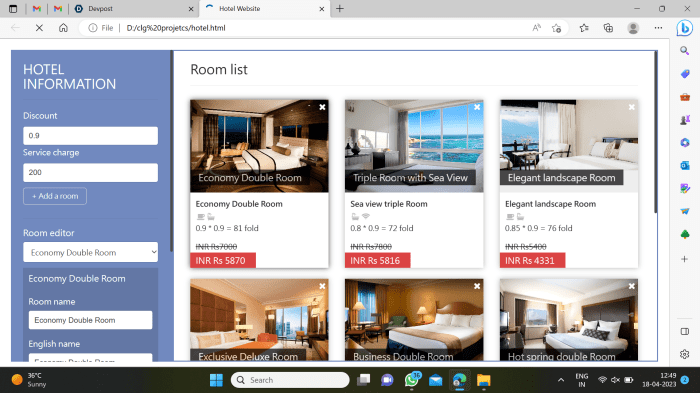
A robust online hotel booking portal needs a well-defined set of functionalities to ensure a seamless and positive user experience. This includes not only the core booking process but also ancillary features like secure payment options, clear communication channels, and easy management of reservations. A well-designed portal should anticipate user needs and streamline the entire process from initial search to final confirmation.
Key Functionalities for Effective Booking

The core functionalities of an online hotel booking portal revolve around enabling users to find, select, and book accommodations. These functionalities need to be intuitive and efficient, minimizing the user’s effort. Crucial elements include:
- Accommodation Search and Filtering: Users should be able to easily search for hotels based on criteria like location, dates, number of guests, and desired amenities. Advanced filtering options allow users to refine their search, ensuring they find the perfect match for their needs.
- Detailed Accommodation Information: Providing comprehensive information about each hotel is vital. This includes details on room types, amenities, policies, and guest reviews. High-quality photos and virtual tours enhance the user’s ability to visualize the property.
- Secure Booking and Payment: The booking process must be secure, with clear steps and validation to ensure the safety of user information. Secure payment gateways are essential for processing transactions.
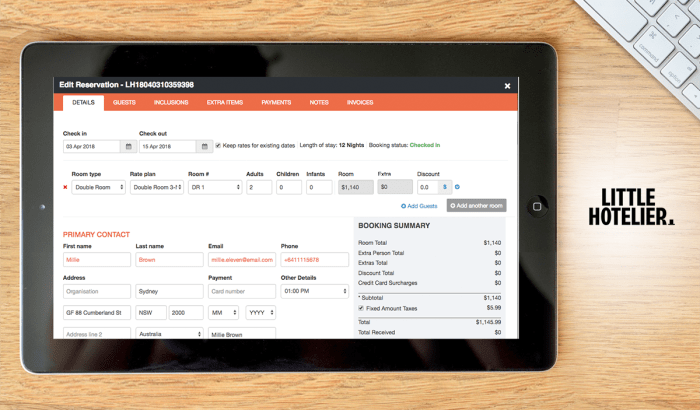
- Reservation Management: Users need to easily manage their bookings, including viewing details, modifying reservations, or cancelling them. This should be accessible through a dedicated section or dashboard.
Features Commonly Found in Online Portals
A range of features contributes to the overall user experience. These commonly include:
- Multiple Payment Options: Offering various payment methods, including credit cards, debit cards, and potentially digital wallets, caters to a broader customer base.
- Guest Reviews and Ratings: User reviews and ratings provide valuable insights for potential guests, enabling informed decisions. These are often displayed prominently on hotel profiles.
- Customer Support: Effective customer support channels, like live chat or email, are critical for addressing queries and resolving issues.
- Loyalty Programs: Loyalty programs incentivize repeat bookings and foster customer loyalty. This can involve reward points or exclusive access to special offers.
Payment Gateways and Security Protocols
Secure payment processing is paramount in online hotel bookings.
Utilizing reputable payment gateways is crucial for ensuring the security of financial transactions.
Robust security protocols, including encryption and data validation, protect sensitive information. This protects both the user and the hotel. Common payment gateways used in online hotel booking portals include Stripe, PayPal, and Square.
Booking and Reservation Management

The reservation management process should be clear and intuitive, facilitating easy updates and cancellations.
- Booking Confirmation: Clear confirmation emails with booking details, contact information, and cancellation policies are essential.
- Reservation Modification: A user-friendly interface should enable easy modification of existing reservations, like changing dates or room types.
- Cancellation Policy: A clearly defined cancellation policy, communicated transparently to users, helps manage expectations.
Accommodation Types and Facilities
The portal needs to effectively display diverse accommodation options.
- Room Types: The platform should accurately represent different room types (single, double, suite, etc.), showcasing key features and amenities.
- Facilities: Hotels’ facilities (pool, gym, spa, etc.) should be categorized and presented for potential guests to easily assess.
Customer Support
Responsive and effective customer support is a cornerstone of a successful online booking platform.
- Multiple Channels: Providing various channels for customer support, such as email, phone, and live chat, increases accessibility and responsiveness.
- Prompt Response: Prompt and professional responses to customer inquiries and complaints are crucial for maintaining a positive reputation.
Payment Methods Supported
| Payment Method | Description | Security Considerations | Common Use Cases |
|---|---|---|---|
| Credit Cards (Visa, Mastercard, American Express) | Widely accepted and secure payment method. | Secure encryption protocols during transaction processing. | Most common payment method. |
| Debit Cards | Similar to credit cards, but linked to a bank account. | Requires bank authorization and security measures. | Useful for immediate payment. |
| Digital Wallets (PayPal, Apple Pay, Google Pay) | Convenient, often integrated with mobile devices. | Specific security measures for each platform. | Growing in popularity for convenience. |
| Bank Transfers | Direct transfer of funds to the hotel account. | Requires secure transaction handling and confirmation. | Suitable for international bookings or bulk payments. |
Business Models and Revenue Streams
Online hotel booking portals have become a cornerstone of the travel industry, connecting travelers with a vast array of accommodations globally. These platforms facilitate seamless transactions, providing both hotels and customers with a streamlined experience. Understanding the diverse business models and revenue streams employed by these portals is crucial for evaluating their success and prospects.
Different Business Models
Online hotel booking portals employ various business models to generate revenue and operate efficiently. The most common models include the commission-based model, where portals earn a percentage of each booking. Other models encompass subscription-based services, offering additional benefits or features to hotels and customers for a fee. A notable model is the hybrid approach, which combines elements of commission and subscription models to cater to diverse needs.
Revenue Streams
The primary revenue streams for online hotel booking portals stem from commissions charged on bookings, advertising revenue from displaying relevant ads, and potential fees for premium services. Commission fees are often structured as a percentage of the booking price, and the amount varies based on factors such as the hotel’s category, seasonality, and the portal’s specific agreements. Advertising revenue can be substantial, especially for portals with high traffic and visibility.
Relationship Between Hotels and Portals
The relationship between hotels and booking portals is symbiotic. Hotels benefit from increased visibility and broader reach, attracting a larger customer base. Booking portals, in turn, profit from the commission generated from each booking and gain access to a diverse inventory of hotel accommodations. Strategic partnerships are often crucial for both parties to optimize revenue and maintain a competitive edge.
Successful Business Models
Several booking portals have achieved success through innovative business models. Booking.com, for instance, has established a dominant position by focusing on a comprehensive inventory and user-friendly interface. Expedia, with its diversified offerings and extensive partnerships, exemplifies a hybrid model. Other portals, like Kayak, specialize in comparative search tools, facilitating price comparisons and offering value to travelers.
Marketing and Promotion
Effective marketing and promotion strategies are essential for online hotel booking portals. These strategies typically involve search engine optimization (to improve visibility in online searches, paid advertising campaigns to target specific demographics, and strategic partnerships with travel agencies and tour operators. Building a strong brand reputation and customer loyalty through consistent communication and exceptional service is also crucial.
Strategies for Acquiring and Retaining Customers
Attracting and retaining customers requires a multifaceted approach. Portals often employ targeted advertising campaigns, loyalty programs, and exclusive offers to attract new customers. Building trust through transparent pricing, secure transactions, and responsive customer service is vital for retaining existing customers. Offering personalized recommendations and unique experiences can also contribute to customer loyalty.
Revenue Generation Methods
| Booking Portal | Commission Fees | Advertising Revenue | Premium Services |
|---|---|---|---|
| Booking.com | High commission on a wide range of hotels | Significant advertising revenue from the large user base | Limited premium services |
| Expedia | Moderate commission on diverse accommodations | Advertising revenue from various partnerships | Premium features for hotels and customers |
| Kayak | Low commission on a large hotel database | Significant advertising revenue from the comparison tool | Limited premium services for enhanced functionality |
| Hostelworld | Moderate commission on hostels and budget hotels | Advertising revenue targeted at budget travelers | Limited premium services for enhanced customer service |
Technological Aspects
Online hotel booking portals rely heavily on robust technology to function effectively. From handling massive amounts of data to ensuring secure transactions, the technological infrastructure is crucial for a seamless user experience and successful business operations. This section delves into the specific technologies underpinning these portals.
Technologies Used for Building and Maintaining Portals
Modern hotel booking portals leverage a combination of technologies to facilitate seamless transactions and maintain data integrity. These include programming languages like Python, Java, and PHP for backend development, and JavaScript, HTML, and CSS for the front-end user interface. Furthermore, databases, APIs, and cloud platforms play pivotal roles in ensuring the efficient functioning of these platforms.
Role of Databases in Online Hotel Booking Portals
Databases are the heart of any online hotel booking portal. They store critical information such as hotel details, room availability, pricing, user accounts, and booking history. Relational databases, like MySQL and PostgreSQL, are commonly used to organize and manage this data efficiently. Their structured nature allows for quick retrieval and manipulation of information, crucial for real-time availability checks and accurate booking confirmations. NoSQL databases, like MongoDB, may also be employed for storing less structured data, like user reviews and preferences.
Role of APIs in Online Hotel Booking Portals
Application Programming Interfaces (APIs) are essential for integrating various components within a booking portal. They facilitate communication between different systems, enabling seamless data exchange. APIs allow for integration with payment gateways, hotel management systems, and other third-party services. This interoperability ensures accurate pricing updates, real-time availability checks, and smooth booking processes. Examples include APIs for credit card processing and hotel inventory management systems.
Role of Cloud Computing in Online Hotel Booking Portals
Cloud computing provides a scalable and cost-effective infrastructure for online hotel booking portals. Cloud platforms like Amazon Web Services (AWS), Microsoft Azure, and Google Cloud Platform (GCP) allow for dynamic resource allocation, enabling portals to handle fluctuating traffic demands. This flexibility ensures optimal performance during peak seasons or high-traffic events. Furthermore, cloud-based solutions offer enhanced security and data redundancy, protecting sensitive customer information and ensuring business continuity.
Importance of Scalability and Security in Online Hotel Booking Portals
Scalability is paramount for online hotel booking portals, as they must handle a potentially large number of users and transactions. The ability to adapt to increasing demands is crucial for preventing downtime and maintaining a positive user experience. Security is equally critical, as portals handle sensitive financial data. Robust security measures, including encryption and access controls, are essential to protect customer information from unauthorized access and breaches. Implementing secure payment gateways and adhering to industry security standards are vital steps in ensuring data protection.
Best Practices for Data Management in Online Hotel Booking Portals
Effective data management is crucial for maintaining accurate information and ensuring efficient operations. Best practices include data validation to prevent errors, regular data backups to protect against data loss, and implementing robust data governance policies to ensure data accuracy and consistency. This ensures reliable availability updates and accurate pricing information for users. Data integrity is paramount to maintain user trust and confidence.
Website Performance and Load Times in Online Hotel Booking Portals
Website performance and load times significantly impact user experience. Slow loading times can deter users from completing bookings. Optimizing website performance involves techniques like caching, content delivery networks (CDNs), and server optimization. These strategies ensure quick response times and a seamless user journey. Fast loading times are critical for maintaining user engagement and conversion rates.
Technologies Behind Real-Time Availability Updates
Real-time availability updates are a key feature of modern booking portals. These updates rely on real-time communication between the booking portal and the hotel’s central reservation system. Technologies like websockets and message queues facilitate this constant communication, ensuring accurate availability displays and preventing double bookings. This technology is crucial for offering up-to-the-minute information to users.
Table of Technologies Used by Various Booking Portals
| Booking Portal | Programming Languages | Database Systems | Cloud Platform |
|---|---|---|---|
| Booking.com | Java, Python | MySQL, PostgreSQL | AWS |
| Expedia | Java, C# | PostgreSQL, MongoDB | AWS, Azure |
| Hotels.com | PHP, Python | MySQL, Cassandra | AWS, GCP |
| Airbnb | Python, JavaScript | PostgreSQL, MongoDB | AWS, GCP |
Competitive Landscape
The online hotel booking market is intensely competitive, with a multitude of platforms vying for market share. Understanding the strengths and weaknesses of various players is crucial for any new entrant or existing business seeking to navigate this dynamic environment. This section delves into the key players, their competitive advantages and disadvantages, and the factors influencing success in this sector.
Key Players in the Online Hotel Booking Market
The online hotel booking market is dominated by several major players, each with its own unique strengths and target audience. These platforms often employ diverse strategies to capture and retain customers.
- Booking.com:
- Expedia Group:
- Hotels.com:
- Airbnb:
Competitive Advantages and Disadvantages of Different Portals
Different booking portals cater to distinct needs and preferences, leading to varied strengths and weaknesses. Some excel in specific niches, while others provide a broader range of options.
- Booking.com, a global leader, benefits from extensive partnerships with hotels worldwide, offering a vast inventory. However, its dominance may translate into higher commission rates for hotels.
- Expedia Group, a large conglomerate, leverages its extensive portfolio to offer diverse travel options beyond hotels, such as flights and car rentals. This diversification can be a significant advantage, but may also lead to a less personalized hotel booking experience compared to Booking.com.
- Hotels.com, a strong competitor, focuses on specific promotional offers and loyalty programs to attract users. This strategy can lead to attractive deals for consumers, but it may result in less direct interaction with hotel staff compared to Booking.com.
- Airbnb, a pioneer in the sharing economy, offers a unique experience for travellers seeking more personalized accommodations. However, its focus on alternative lodging options may not cater to all customers’ needs and may not offer the same level of traditional hotel services.
Factors Influencing the Success of Online Hotel Booking Portals
Several factors contribute to the success of an online hotel booking portal. These range from user-friendliness to strategic partnerships and innovative technology.
- User experience (UX) and interface design: A seamless and intuitive platform is critical for user engagement and conversion. A well-designed portal minimizes friction and maximizes user satisfaction.
- Extensive hotel inventory: Access to a vast network of hotels across diverse locations and categories is a crucial factor for attracting customers.
- Strategic partnerships with hotels: Strong relationships with hotels allow for attractive deals and competitive pricing, thus driving customer engagement.
- Innovative technology: Implementing cutting-edge technologies, such as AI-powered recommendations and personalized search filters, can enhance user experience and provide a competitive edge.
Differentiation Strategies of Online Hotel Booking Portals
Portals differentiate themselves through various strategies to capture and retain market share. These include specific targeting, unique value propositions, and innovative functionalities.
- Price comparison and deals: Some platforms prioritize offering the best prices, while others focus on specific deals and discounts. The combination of both strategies is commonly employed.
- User reviews and ratings: Trustworthy customer reviews can significantly influence booking decisions. Portals leveraging this feature are more likely to build trust and credibility with users.
- Mobile-first approach: Optimizing the platform for mobile devices is essential for accessibility and engagement. A seamless mobile experience can increase user satisfaction and drive bookings.
- Personalized recommendations: AI-powered tools can tailor recommendations to individual preferences, resulting in more relevant search results and higher conversion rates.
Comparison of Leading Online Hotel Booking Portals
The table below compares the features and strengths of some leading online hotel booking portals.
| Portal | Inventory Coverage | User Experience | Unique Selling Points |
|---|---|---|---|
| Booking.com | Extensive, global network | User-friendly interface | Wide selection, price comparison |
| Expedia Group | Diverse portfolio | Seamless integration with other travel services | Comprehensive travel options |
| Hotels.com | Global network | Intuitive search tools | Loyalty programs, exclusive deals |
| Airbnb | Unique accommodations | Focus on personalized experiences | Alternative lodging options |
Future Trends and Developments
Online hotel booking portals are constantly evolving to meet the demands of a dynamic travel market. Emerging technologies and changing consumer preferences are driving innovation in this sector, leading to more personalized, efficient, and engaging experiences for both travelers and hotels. This evolution necessitates a proactive understanding of future trends and adaptations to maintain a competitive edge.
Emerging Technologies
The online travel landscape is rapidly transforming, fueled by technological advancements. This necessitates a constant evaluation of emerging technologies to ensure portals remain relevant and user-friendly. Key technologies impacting hotel booking platforms include:
- Artificial Intelligence (AI) and Machine Learning (ML): AI-powered tools can analyze vast amounts of data to predict demand, optimize pricing strategies, and personalize recommendations for users. This translates to more accurate and tailored search results and potential cost savings for both travelers and hotels.
- Augmented Reality (AR) and Virtual Reality (VR): AR and VR technologies offer immersive experiences for prospective guests. Users can virtually tour hotel rooms, view amenities, and experience the surrounding area, enhancing the pre-booking decision-making process. This creates a more interactive and informed travel experience.
- Blockchain Technology: Blockchain’s potential in securing transactions and managing booking data promises greater transparency and security. It can enhance trust and efficiency in the booking process, making it more resilient to fraud and errors.
- Internet of Things (IoT): IoT-enabled smart hotels can enhance the guest experience through connected devices and personalized services. This allows for a more responsive and proactive management of hotel operations.
Innovative Features and Functionalities
The integration of these technologies is driving the development of innovative features that go beyond traditional booking functionality.
- Personalized Recommendations: AI algorithms analyze user preferences, past bookings, and browsing history to offer highly personalized hotel recommendations, travel packages, and even dining suggestions. This creates a truly tailored experience, improving user satisfaction.
- Interactive Booking Experiences: Integrating AR/VR technologies allows users to virtually tour hotel rooms, experience amenities, and visualize their stay in a more immersive way, encouraging bookings based on a stronger sense of anticipation and place.
- Automated Customer Service: AI-powered chatbots and virtual assistants can provide instant support and answer common questions, improving customer service responsiveness and efficiency.
- Sustainable Travel Options: Portals can highlight hotels committed to sustainable practices, allowing environmentally conscious travelers to easily find and book eco-friendly accommodations. This caters to growing consumer demand for responsible travel.
Role of Personalization and Customization
Personalization is paramount in the future of online hotel booking portals. Understanding individual preferences and tailoring the experience to those preferences leads to higher conversion rates and improved user satisfaction.
- Targeted Advertising and Promotions: Personalization enables targeted advertising campaigns, promoting specific hotels or amenities that resonate with individual users. This increases engagement and visibility for the right audience.
- Customizable Booking Experiences: Users can tailor various aspects of their booking, from room preferences and amenities to travel itineraries and meal choices, increasing user satisfaction and control.
Impact of AI and Machine Learning
AI and ML are revolutionizing online hotel booking portals by enabling dynamic pricing, predictive demand forecasting, and personalized recommendations.
- Dynamic Pricing Models: AI algorithms can analyze real-time data on demand, occupancy, and competitor pricing to optimize hotel pricing strategies, maximizing revenue for hotels and potentially offering more competitive rates to customers.
- Improved Booking Accuracy: Machine learning algorithms can predict user behavior and preferences, leading to more accurate search results and more targeted recommendations.
Potential for Integrating New Technologies
Integrating new technologies offers exciting possibilities for enhancing the online hotel booking experience. The integration of technologies like AI, AR, VR, and blockchain has the potential to create seamless, personalized, and secure booking journeys.
Examples of Technology Integration
- Example 1: Some portals are integrating AR/VR features to allow users to virtually explore hotel rooms and amenities before booking, leading to a more informed decision-making process.
- Example 2: AI-powered chatbots are being used to answer customer queries, resolve issues, and provide personalized recommendations, offering instant support to users.
Emerging Technologies in Online Hotel Booking Portals
| Technology | Description | Impact on Portals | Examples |
|---|---|---|---|
| AI/ML | Artificial Intelligence and Machine Learning | Dynamic pricing, personalized recommendations, and demand forecasting | Predictive pricing algorithms, chatbots |
| AR/VR | Augmented and Virtual Reality | Interactive room tours, immersive experiences | Virtual hotel tours, interactive 360° views |
| Blockchain | Secure and transparent transactions | Enhanced security, improved trust | Secure payment systems, data management |
| IoT | Internet of Things | Smart hotel features, personalized services | Connected room controls, automated check-in/check-out |
Final Review: Online Hotel Booking Portal

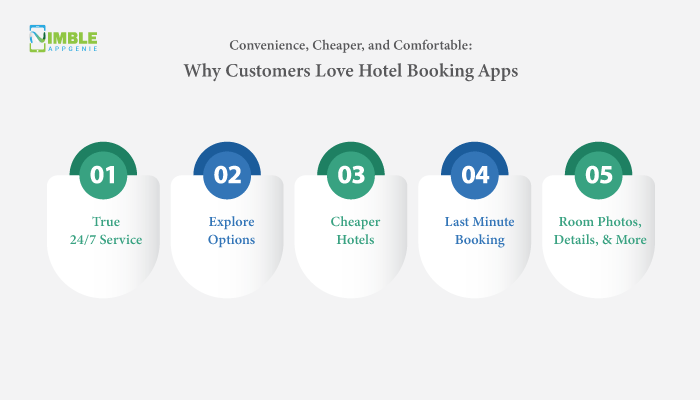
Source: cloudfront.net
In conclusion, online hotel booking portals have fundamentally reshaped the hospitality industry. Their evolution from simple search engines to sophisticated platforms incorporating advanced technologies and user-centric design continues. As technology advances, the future of online hotel booking portals promises further innovation and personalization, offering travelers even more seamless and tailored experiences.