Hotel Booking Management System A Comprehensive Guide
Hotel booking management systems are crucial for modern hospitality. It encompasses everything from online reservations to seamless payment processing, ensuring a smooth experience for both guests and hotel staff. This system handles various aspects of the booking process, from initial searches to final confirmations, utilizing different platforms like online portals, mobile apps, and desktop interfaces. A robust system considers factors like room availability, pricing, security, and integration with existing hotel management tools. This guide delves into the intricacies of such a system, exploring its core functionalities, features, and considerations for implementation.
This detailed exploration examines the critical elements of a successful hotel booking management system. From the initial design and architecture to user interface considerations, the discussion delves into the key features, functionalities, and technical aspects required for efficient operation. The integration with other hotel systems, such as property management and customer relationship management systems, is also highlighted. Further, security measures, scalability, and implementation strategies are thoroughly discussed to provide a comprehensive understanding of this crucial aspect of the hospitality industry.
Introduction to Hotel Booking Management Systems

Hotel booking management systems are crucial for hotels of all sizes, streamlining the process of accepting reservations, managing guest information, and optimizing room allocation. These systems facilitate efficient operations, improve customer experience, and ultimately, increase revenue for hospitality businesses. They act as the central nervous system for managing the entire booking process, from initial inquiry to final check-out.
These systems are not just about taking reservations; they encompass a suite of functionalities designed to improve the entire guest journey and maximize hotel profitability. They integrate various aspects of hotel operations, allowing for real-time updates, accurate inventory management, and automated communication with guests.
Core Functionalities of a Hotel Booking System
Hotel booking systems offer a range of essential functionalities. These include managing room availability, accepting and processing reservations, handling payments, and providing guest services. They also allow for customized reporting and analytics, enabling hotels to track key performance indicators and make data-driven decisions. Effective systems automate tasks like email notifications, confirmation generation, and guest communication, freeing up staff to focus on other critical aspects of the business.
Types of Hotel Booking Systems
Hotel booking systems come in various forms, catering to different needs and preferences. Online booking systems are widely used and accessible through websites. Mobile booking systems are accessed via smartphones and tablets, offering convenience for guests on the go. Desktop systems, while less prevalent now, remain important for in-house management and certain specific use cases. Each type offers distinct advantages, with online systems focusing on broad reach, mobile systems prioritizing accessibility, and desktop systems offering tailored control for specific needs.
Comparative Overview of Booking Platforms
Different booking platforms cater to different hotel needs and target markets. Some, like Booking.com, focus on high visibility and global reach, potentially exposing hotels to a wider customer ba,se but often come with higher commission fees. Other platforms like Expedia or Kayak offer a balance between reach and commission rates, providing hotels with choices in their marketing strategy. Independent hotel websites, while requiring more effort in terms of marketing and management, offer hotels greater control over pricing and branding, while potentially generating more direct revenue.
Architecture of a Hotel Booking System
The architecture of a hotel booking system typically involves several interconnected components. Data flows from the customer interface, either online or mobile, to a central reservation system. This system interacts with a database that stores information about rooms, availability, and customer details. Payments are processed through secure payment gateways. Reports and analytics are generated for hotel management based on the data collected. This centralized architecture ensures seamless data exchange and efficient operations.

Note: A visual diagram would clearly illustrate the data flow, showing the different components (customer interface, reservation system, database, payment gateways, reporting tools) and their connections.
Key Stakeholders in a Hotel Booking System
The hotel booking system impacts various stakeholders. Guests benefit frthe om ease of booking and access to information. Hotel management gains insights into bookings, revenue, and operational efficiency. Booking platforms serve as intermediaries, facilitating transactions and connecting hotels with guests. Technology providers offer the infrastructure and tools to support the system. Each stakeholder plays a vital role in the overall success of the system.
- Guests: Guests benefit from the ease and convenience of online booking, often accessing detailed information about rooms, amenities, and pricing. This allows them to make informed decisions and plan their stay effectively.
- Hotel Management: Hotel management benefits from increased efficiency in managing reservations, tracking revenue, and monitoring occupancy rates. Real-time data allows for quick adjustments to pricing and promotions.
- Booking Platforms: Booking platforms play a crucial role in connecting hotels with guests. They offer a wider reach for hotels and a convenient booking experience for guests, in exchange for commissions.
- Technology Providers: Technology providers supply the infrastructure and tools that support the entire system. Their expertise is essential for developing and maintaining the booking platform.
System Features and Functionality
Source: cloudfront.net
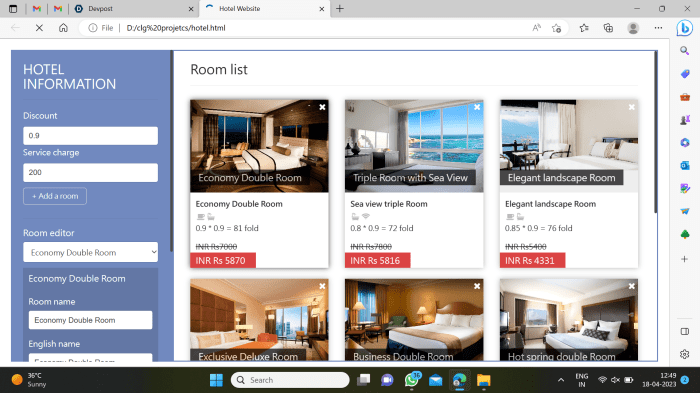
A robust hotel booking system must encompass a range of features to ensure a seamless and efficient experience for both the hotel and the guest. This includes managing room availability, processing payments, and facilitating secure communication. The system must also be user-friendly to streamline the booking process and provide a positive user experience.
Essential Features for an Efficient System
A comprehensive hotel booking system should include features that address all stages of the booking process. This encompasses accurate room availability tracking, secure payment processing, and clear communication channels. Crucially, it must be adaptable to different types of accommodations and provide flexible booking options.
- Room Availability Management: Real-time availability updates are paramount. The system should track room occupancy in real-time, ensuring accurate availability information is presented to potential guests. This prevents double-bookings and guarantees a smooth booking process.
- Pricing and Tariff Management: The system should allow for the dynamic adjustment of room prices based on factors like seasonality, demand, and special offers. This allows hotels to maximize revenue and tailor pricing to specific customer segments.
- Payment Processing Integration: The system must support various payment methods, such as credit cards, debit cards, and digital wallets. This ensures a broader customer base can use the system.
- Secure Communication Channels: Secure communication between the hotel and the guest is essential. The system should utilize encrypted channels to protect sensitive information exchanged during the booking process.
Room Availability, Pricing, and Payment Processing
The core functionalities of a hotel booking system revolve around managing room availability, pricing, and payment processing. These functions must interact seamlessly to ensure an efficient and reliable system.
- Real-time Room Availability: A key aspect is providing real-time room availability data to guests. This avoids conflicts and ensures accurate information about room availability.
- Dynamic Pricing: The system should be capable of adapting pricing to reflect market conditions and hotel policies. This allows for flexible pricing strategies based on various factors such as demand and seasonality.
- Secure Payment Processing: The system should support multiple payment methods and utilize secure payment gateways to protect sensitive financial data. PCI DSS compliance is crucial to ensure data security.
User-Friendly Interfaces
A user-friendly interface is critical to a successful hotel booking system. Intuitive design and clear navigation guide guests through the booking process, minimizing frustration and maximizing efficiency.
- Intuitive Design: A well-designed interface should be easy to navigate, with clear instructions and visual cues. Simple layouts and readily available information contribute to a positive user experience.
- Mobile Optimization: A significant portion of bookings are made on mobile devices. The system should be optimized for mobile access, ensuring seamless operation across different platforms.
- Accessibility Features: A system should be designed with accessibility in mind. This includes supporting various screen reader technologies and ensuring the interface is usable for users with disabilities.
Security Measures
Protecting sensitive data is paramount in a hotel booking system. Strong security measures are essential to maintain guest trust and protect against potential breaches.
- Data Encryption: Sensitive information should be encrypted during transmission and storage to prevent unauthorized access. This is crucial for safeguarding personal and financial details.
- Regular Security Audits: Regular security audits help identify vulnerabilities and weaknesses in the system. Proactive measures are necessary to maintain data security.
- Access Control: Strict access control measures are necessary to limit access to sensitive data to authorized personnel. This helps to prevent unauthorized modifications or deletions.
Handling Various Payment Methods

The system should support a variety of payment methods to accommodate a wider range of guests. This allows hotels to attract a broader customer base.
- Credit Cards: Support for major credit cards is essential. The system should use secure payment gateways to process transactions securely.
- Debit Cards: Support for debit cards provides additional payment options.
- Digital Wallets: Support for popular digital wallets like PayPal or Apple Pay allows for convenient and secure payment processing.
Integration and Data Management
Source: phpgurukul.com
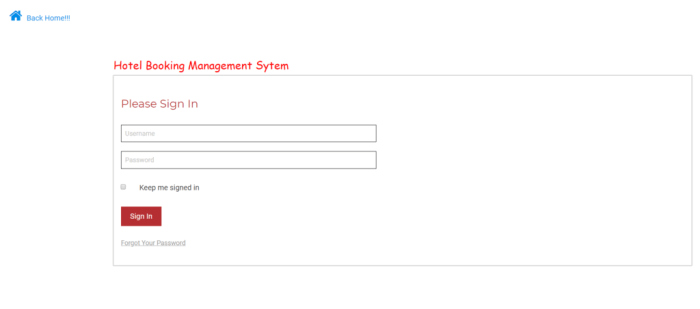
A robust hotel booking system must seamlessly integrate with various hotel operations, ensuring data accuracy and real-time updates. This integration streamlines processes, minimizes manual errors, and provides a holistic view of the hotel’s operations. Effective data management is critical for accurate room availability, efficient reservation handling, and overall system performance.
Integrating with other hotel systems is vital for a smooth workflow. Data consistency across different departments, such as property management systems (PMS) and customer relationship management (CRM) systems, is critical for a cohesive experience. This integration also allows for automation of tasks, reducing human intervention and improving operational efficiency.
Integration with Other Systems
The booking system should integrate with the hotel’s PMS to automatically update room availability in real-time. This ensures that the booking system always reflects the current status of rooms. Furthermore, integration with the CRM system allows for better customer relationship management. Customer preferences and booking history can be readily accessible, leading to personalized services and improved customer satisfaction. This integration also enables the system to automatically generate reports and analyses.
Room Availability Management
Managing room availability data accurately is essential for a successful booking system. A critical component is the use of a robust database structure, which can efficiently handle large volumes of data and ensure data integrity. The system must support multiple methods for updating room availability. These include manual updates, automatic updates triggered by bookings, and cancellations. Data validation is essential to prevent invalid entries.
Data Validation and Error Handling
Data validation is a crucial aspect of a hotel booking system. This involves checking for data accuracy, consistency, and completeness. For instance, the system should validate room numbers, ensuring they exist within the hotel’s database. The system should also validate dates and times to prevent overlapping bookings. Error handling is equally important. The system should catch errors such as incorrect input formats, unavailable rooms, and other potential issues. Clear error messages should be displayed to the user, enabling prompt corrections. For example, if a user enters an invalid date format, the system should provide a specific error message guiding the user on the correct format.
Real-time Reservations
Real-time reservation handling is a critical feature of a modern hotel booking system. The system should be designed to handle concurrent bookings, preventing double bookings. This is accomplished through appropriate locking mechanisms on the database and efficient data processing. The system must be capable of processing multiple requests promptly to maintain a smooth user experience.
Data Structures for Hotel Booking System
This table articulates the fundamental data structures needed for a hotel booking system:
| Data Field | Data Type | Description |
|---|---|---|
| Room Number | Integer | Unique identifier for each room |
| Room Type | String | Category of the room (e.g., Standard, Suite) |
| Availability | Boolean | True if room is available, False otherwise |
| Room Amenities | String | List of amenities available in the room |
| Booking ID | Integer | Unique identifier for each booking |
| Guest Name | String | Name of the guest making the booking |
| Check-in Date | Date | Date of guest’s arrival |
| Check-out Date | Date | Date of guest’s departure |
User Interface and Experience
Source: bestshareware.net
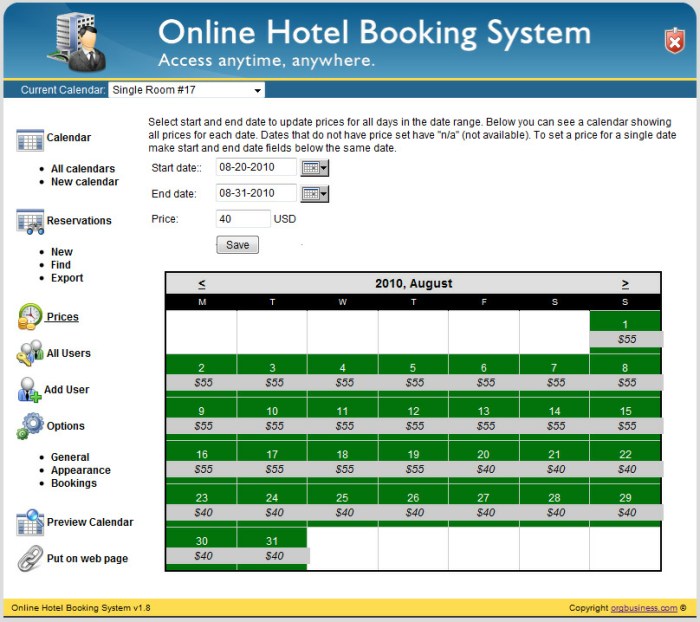
A crucial aspect of any hotel booking management system is the user interface (UI) and user experience (UX). A well-designed UI and UX ensure a smooth and enjoyable booking process for users, leading to higher satisfaction and potentially more bookings. The system should guide users intuitively through the various stages, from initial search to final confirmation.
A user-friendly interface, paired with a positive user experience, plays a key role in the overall success of the system. This involves understanding user needs and preferences and tailoring the system accordingly.
User Interface Elements for Booking
This section Artikels the key elements typically found in a hotel booking interface. Effective design prioritizes clear presentation of information, making the booking process straightforward and efficient.
| Element | Description |
|---|---|
| Search Bar | This allows users to filter their search by specific criteria, such as dates, number of guests, room types, and amenities. A well-designed search bar allows for flexible and specific searches. |
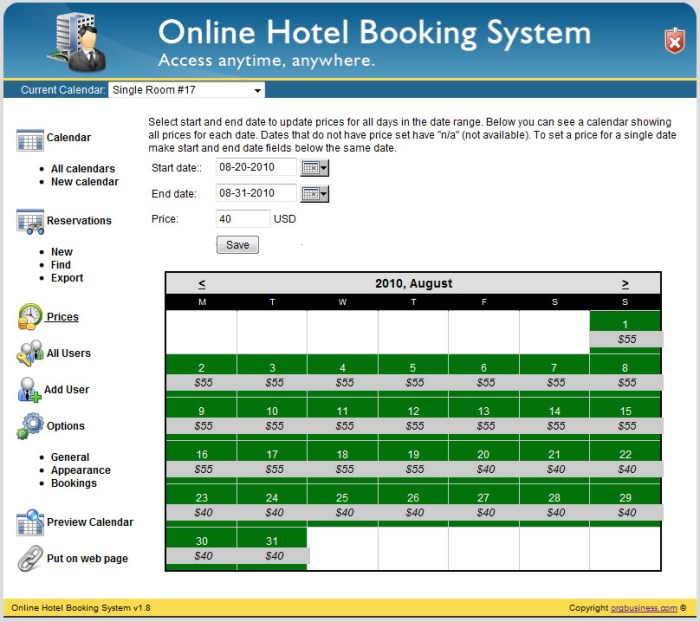
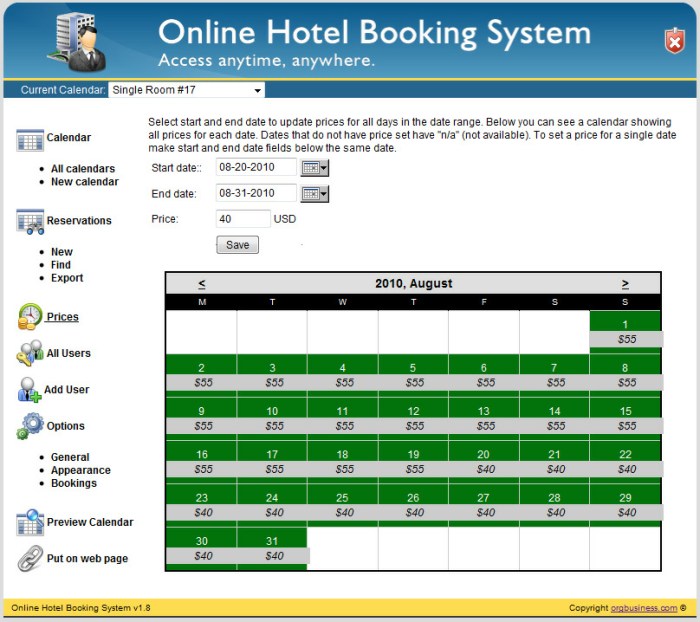
| Calendar | A visual calendar displays available dates and rooms. Users can quickly identify and select dates and the corresponding room availability. This element enhances user navigation and speeds up the booking process. |
| Room Details | Detailed information about the selected room, including photos, amenities, and pricing, is presented. Clear and concise descriptions facilitate informed decisions. |
| Payment Options | Users can choose from various payment methods, such as credit cards, debit cards, or other accepted options. Secure payment processing is paramount. |
Importance of a Seamless User Experience
A seamless user experience is critical for encouraging bookings and positive reviews. A streamlined and intuitive system reduces frustration and encourages repeat business. Users are more likely to book with a system that anticipates their needs and provides a smooth and efficient experience.
Design Principles for Mobile-Friendly Interfaces

Mobile-friendly booking interfaces are essential in today’s world. Design principles should prioritize responsiveness across different devices. This involves adapting the layout and content to fit various screen sizes and orientations.
Effective UI/UX Design Patterns
Effective design patterns in hotel booking interfaces often include:
- Clear Navigation: A clear and intuitive navigation structure allows users to easily find the information they need. This is crucial for guiding users through the booking process and reducing confusion.
- Visual Cues: Using visual cues, such as highlighting selected options or displaying loading indicators, helps users understand the system’s progress and status. This provides a sense of control and transparency to the user.
- Interactive Elements: Interactive elements, such as clickable buttons and drop-down menus, provide a dynamic and engaging experience, guiding users through the various steps involved in the booking process.
Presenting Hotel Information
Various methods can be used to present hotel information effectively:
- High-Quality Images: High-quality images of the hotel rooms, amenities, and surrounding area provide a more immersive and realistic experience. This is crucial for attracting users and allowing them to visualize their stay.
- Detailed Descriptions: Comprehensive descriptions of rooms, amenities, and services help users make informed decisions about their choice. Clear and accurate information helps build trust and encourages booking.
- Customer Reviews: Displaying customer reviews and ratings provides social proof and allows potential guests to gauge the hotel’s quality and experience. This social element encourages bookings.
Security and Data Privacy
A robust hotel booking management system must prioritize the security and privacy of customer data. Protecting sensitive information, such as payment details and personal details, is paramount to maintaining customer trust and avoiding potential legal repercussions. This section details the critical security protocols and data privacy measures essential for a secure system.
Protecting sensitive data and ensuring compliance with regulations is crucial for building trust and maintaining a successful hotel booking management system. This section articulates the necessary security measures, including data encryption, access controls, secure payment gateways, and compliance with data privacy regulations like GDPR.
Security Protocols for Protecting Customer Data
Implementing strong security protocols is essential for safeguarding customer data. These protocols should encompass various aspects of the system, from data transmission to data storage. Robust authentication mechanisms, regular security audits, and incident response plans are vital components of a comprehensive security strategy.
Data Encryption and Access Controls
Data encryption plays a critical role in securing customer data during transit and storage. Strong encryption algorithms, such as AES-256, are recommended to protect sensitive information from unauthorized access. Access controls, using multi-factor authentication and role-based permissions, restrict data access to authorized personnel only. This ensures that only authorized users can view, modify, or delete customer data.
Secure Payment Gateways Integration
Integrating secure payment gateways is a critical aspect of protecting customer financial data. These gateways employ advanced encryption and fraud detection systems to prevent unauthorized access and financial fraud. Examples include Stripe, PayPal, and other reputable third-party payment processors. These gateways often comply with industry standards, such as PCI DSS, to ensure the security of payment transactions.
Compliance Requirements for Data Privacy
Adherence to data privacy regulations, like GDPR, is crucial. This necessitates implementing procedures for obtaining informed consent, securely storing data, and providing users with access to and control over their data. The system should also have provisions for data breach notification and data retention policies that comply with relevant regulations.
Comparison of Security Measures in Various Booking Systems
Different booking systems implement various security measures. Some systems utilize advanced encryption protocols for data transmission, while others focus on stringent access control mechanisms. Robust security measures are critical to protecting customer data. Comparing the security measures of different booking systems can help in choosing the most appropriate security protocols for the system.
A comprehensive security audit of existing systems can identify areas for improvement and potential vulnerabilities. This will lead to the implementation of the most robust security measures for the booking system.
System Scalability and Performance
A robust hotel booking system needs to handle fluctuating demand and growing user bases without compromising speed or reliability. Scalability is crucial to maintain a positive user experience and ensure the system can accommodate future growth. This section details how to achieve this critical aspect of a modern booking platform.
Ensuring high performance and responsiveness is paramount in a hotel booking system. Users expect quick loading times and seamless interactions, and slow performance can lead to lost bookings and a poor reputation. Therefore, measures to optimize performance are essential for a successful platform.
Importance of Scalability
A hotel booking system needs to be scalable to accommodate fluctuating demand, handle increasing user traffic, and adapt to future growth. This is essential for maintaining a smooth and positive user experience, preventing service disruptions, and ensuring a steady flow of bookings. Scalability allows the system to handle peak seasons, promotional periods, or unexpected surges in demand without compromising speed or reliability. A system that can’t scale effectively risks losing bookings, disappointing customers, and potentially affecting the hotel’s reputation.
Performance Optimization Measures
Several measures ensure high performance and responsiveness. These include optimizing database queries, implementing caching mechanisms, and utilizing appropriate server configurations. Efficient code design and proper resource allocation are vital to achieve optimal performance. By using efficient algorithms and well-structured data models, the system can minimize response times, enabling a faster and more user-friendly experience.
Load Balancing and Caching
Load balancing distributes incoming traffic across multiple servers, preventing overload on a single server and improving responsiveness. This approach is critical for handling peak demand periods. Caching frequently accessed data, such as room availability or pricing, reduces database load and speeds up response times. Utilizing caching mechanisms ensures fast retrieval of data, enhancing the user experience. For example, popular hotel search results or specific room details can be cached to reduce the database query burden, especially during high-traffic periods.
Handling High Volumes of Bookings
High volumes of bookings require a system that can process transactions efficiently and reliably. This includes robust database design, efficient transaction handling, and appropriate server resources. Advanced techniques like asynchronous processing can be used to handle large numbers of requests without impacting the system’s responsiveness. Real-world examples of successful systems handling high transaction volumes demonstrate the effectiveness of these methods. For instance, large e-commerce platforms employ similar strategies to process thousands of orders concurrently.
Technologies for Building Scalable Booking Systems, Hotel Booking Management System
Several technologies are commonly used to build scalable booking systems. These include cloud computing platforms, distributed databases, and message queues. Cloud platforms provide scalable infrastructure, allowing resources to be dynamically adjusted to meet demand. Distributed databases offer improved data management and concurrency. Message queues handle asynchronous tasks, further enhancing performance during peak demand. Furthermore, employing containerization technologies like Docker can facilitate efficient deployment and management of applications, improving the overall system scalability.
System Implementation and Deployment
Implementing a hotel booking management system involves careful planning and execution to ensure smooth operation and optimal performance. This phase bridges the gap between system design and actual user adoption, requiring a robust strategy for deployment and ongoing maintenance. The choice of deployment model directly impacts the system’s accessibility, scalability, and cost.
Deployment Models
Various deployment models cater to different needs and resources. Cloud-based deployments offer scalability and accessibility, while on-premise solutions provide greater control and customization. Hybrid models combine elements of both, offering a flexible approach.
- Cloud-based Deployment: Cloud platforms like AWS, Azure, or Google Cloud provide infrastructure and resources for hosting the system. This model is advantageous for its scalability and cost-effectiveness, particularly for rapidly growing businesses. It often requires less upfront investment and allows for dynamic resource allocation. For example, during peak seasons, the system can easily adjust to increased demand.
- On-Premise Deployment: This approach involves installing and maintaining the system on the hotel’s servers. This offers greater control over the system’s security and data, but requires significant upfront investment in hardware, software, and personnel.
- Hybrid Deployment: A hybrid approach combines cloud and on-premise resources. Critical data or sensitive information might be stored on-premise, while less crucial elements can reside in the cloud. This offers a balance between control and scalability.
Implementation Process
A structured approach to implementation is crucial for a successful launch. This typically involves several key stages.
- System Setup and Configuration: This phase involves installing the system software, configuring databases, and setting up necessary accounts. Proper configuration ensures that the system functions as intended and adheres to established security protocols.
- Data Migration: Transferring existing data into the new system is a critical step. This requires careful planning to ensure data integrity and avoid errors during the migration process. Tools and procedures for data validation should be in place to minimize potential issues.
- User Training and Support: Training staff on how to utilize the new system is vital. Comprehensive training materials and ongoing support are essential to ensure a smooth transition and an optimal user experience. This includes providing clear documentation and establishing channels for assistance.
- Testing and Validation: Rigorous testing ensures the system functions as expected and identifies potential issues. A thorough testing strategy covering various scenarios and user roles is critical.
- Deployment and Launch: Carefully planned deployment procedures minimize disruptions and ensure a seamless transition to the new system. This includes monitoring system performance and providing support to users.
Testing and Validation
Thorough testing is essential to identify and resolve potential issues before the system’s launch. Comprehensive testing should involve various aspects, including functional, performance, and security testing.
- Functional Testing: Verifies that the system performs its intended functions correctly. Test cases should cover all aspects of the booking process, from browsing rooms to completing a reservation. Realistic data scenarios are critical.
- Performance Testing: Assesses the system’s response time and stability under various loads. This involves simulating peak usage periods to ensure the system can handle high traffic volumes without compromising performance.
- Security Testing: Identifies potential vulnerabilities in the system’s security protocols. This includes penetration testing to simulate attacks and identify weak points.
Integration with Existing Systems
Integrating the booking system with existing hotel management systems streamlines operations and reduces data duplication. A well-defined integration strategy is essential for smooth data flow.
- API Integration: Using Application Programming Interfaces (APIs) allows seamless communication between the booking system and existing hotel management systems. This approach enables the exchange of crucial information, such as room availability and pricing.
- Data Synchronization: Establishing a robust data synchronization mechanism ensures that data is consistently updated across all systems. This minimizes errors and ensures data accuracy.
Key Considerations
Consider factors such as budget, scalability, features, and integration capabilities when selecting a hotel booking system.
Last Point: Hotel Booking Management System
In conclusion, a well-designed hotel booking management system is vital for optimizing the guest experience and streamlining hotel operations. This guide has explored the key aspects of such a system, from its core functionalities and user interfaces to security protocols and implementation strategies. By understanding the intricate details, hotels can select and implement a system that aligns with their specific needs and resources. The integration with other hotel systems and the importance of user-friendly interfaces were also emphasized, highlighting the importance of a comprehensive approach to booking management.