Top 5 Star Hotels in Sydney A Deep Dive
The top 5-star hotels in Sydney represent the pinnacle of luxury and sophistication in the city. From iconic landmarks to modern marvels, these establishments offer unparalleled experiences, catering to discerning travelers seeking unparalleled comfort and service. This exploration delves into the criteria that define these prestigious hotels, analyzing their amenities, guest experiences, and future trends.
Sydney’s hotel scene is rich with history and innovation. The selection process for these top-rated establishments considers factors like location, amenities, and guest feedback, ensuring a high standard of excellence. This guide will explore the nuances of each hotel, highlighting their unique selling points and providing a comprehensive comparison across key areas.
Introduction to Sydney’s Top Hotels
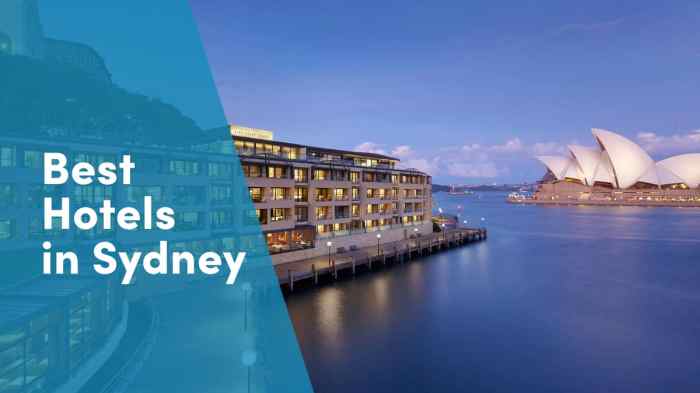
Source: 10xtravel.com
Sydney’s hotel industry is a vibrant and competitive sector, attracting both domestic and international tourists. The city’s rich history, stunning natural beauty, and diverse cultural offerings contribute to its appeal as a premier travel destination, fostering a thriving hotel market. From budget-friendly options to opulent luxury experiences, the range of accommodations caters to a broad spectrum of needs and preferences.
The designation of a hotel as “top 5 star” typically rests on several key criteria, including exceptional service, luxurious amenities, and a prime location. These hotels go beyond the basic necessities, often offering unparalleled experiences that elevate the guest stay to a higher echelon. This meticulous attention to detail and commitment to exceeding expectations are hallmarks of the top-tier accommodations.
Factors Contributing to a Top 5-Star Hotel
The criteria for a hotel achieving 5-star status are multifaceted and rigorous. Beyond the obvious, such as spacious rooms and impeccable cleanliness, the truly exceptional hotels excel in several areas. These hotels often feature a commitment to sustainability and environmentally conscious practices, reflecting a modern approach to hospitality.
- Exceptional Service: Consistently courteous and attentive staff are paramount. This extends to personalized service, anticipating guest needs and providing proactive assistance. An example of this is the attentive staff at the Four Seasons, known for anticipating needs and exceeding expectations.
- Luxurious Amenities: Top-tier hotels often include state-of-the-art facilities, such as gourmet restaurants, spas, and rooftop bars. These amenities are not merely present but designed to enhance the guest experience, adding a level of exclusivity and sophistication.
- Prime Location: Strategic positioning within the city or a desirable tourist area is crucial. Proximity to key attractions, entertainment venues, and transportation hubs enhances the guest experience, maximizing the value of the stay.
- High-Quality Accommodations: Rooms are typically spacious, elegantly designed, and equipped with modern amenities, including high-speed internet access, smart TVs, and luxurious bathrooms. These features contribute to a feeling of comfort and exclusivity.
History of Luxury Hotels in Sydney
Sydney’s history with luxury hotels is deeply rooted in the city’s development as a major port and tourist destination. Early establishments often served as important social hubs, reflecting the evolving tastes and aspirations of the time.
- Early Establishments: The city’s first luxury hotels, built during the late 19th and early 20th centuries, often reflected the opulence of the era, with grand lobbies, elaborate decorations, and attentive service. Many of these hotels were designed with an eye to European luxury standards. Examples include the historic hotels in the Rocks district.
- Evolution of Luxury: As Sydney’s tourism sector expanded, so did the demand for sophisticated accommodations. Hotels responded by incorporating modern amenities and design elements into their offerings, creating a modern standard of luxury for the 21st century.
Importance of Location and Amenities in Selection
Location and amenities play a crucial role in shaping the overall experience of a luxury hotel stay. Strategic positioning allows guests to effortlessly access attractions and activities.
| Factor | Description | Example |
|---|---|---|
| Location | Proximity to key attractions and transportation hubs influences ease of access to cultural sites, entertainment, and daily activities. | A hotel located near the Sydney Opera House or Bondi Beach will likely have a high demand, reflecting its advantageous position. |
| Amenities | Facilities such as restaurants, spas, and fitness centers enhance the guest experience, adding value and exclusivity to the stay. | A hotel with a renowned restaurant and a rooftop bar, attracting culinary enthusiasts, offers an added layer of appeal. |
Criteria for Ranking Top 5-Star Hotels
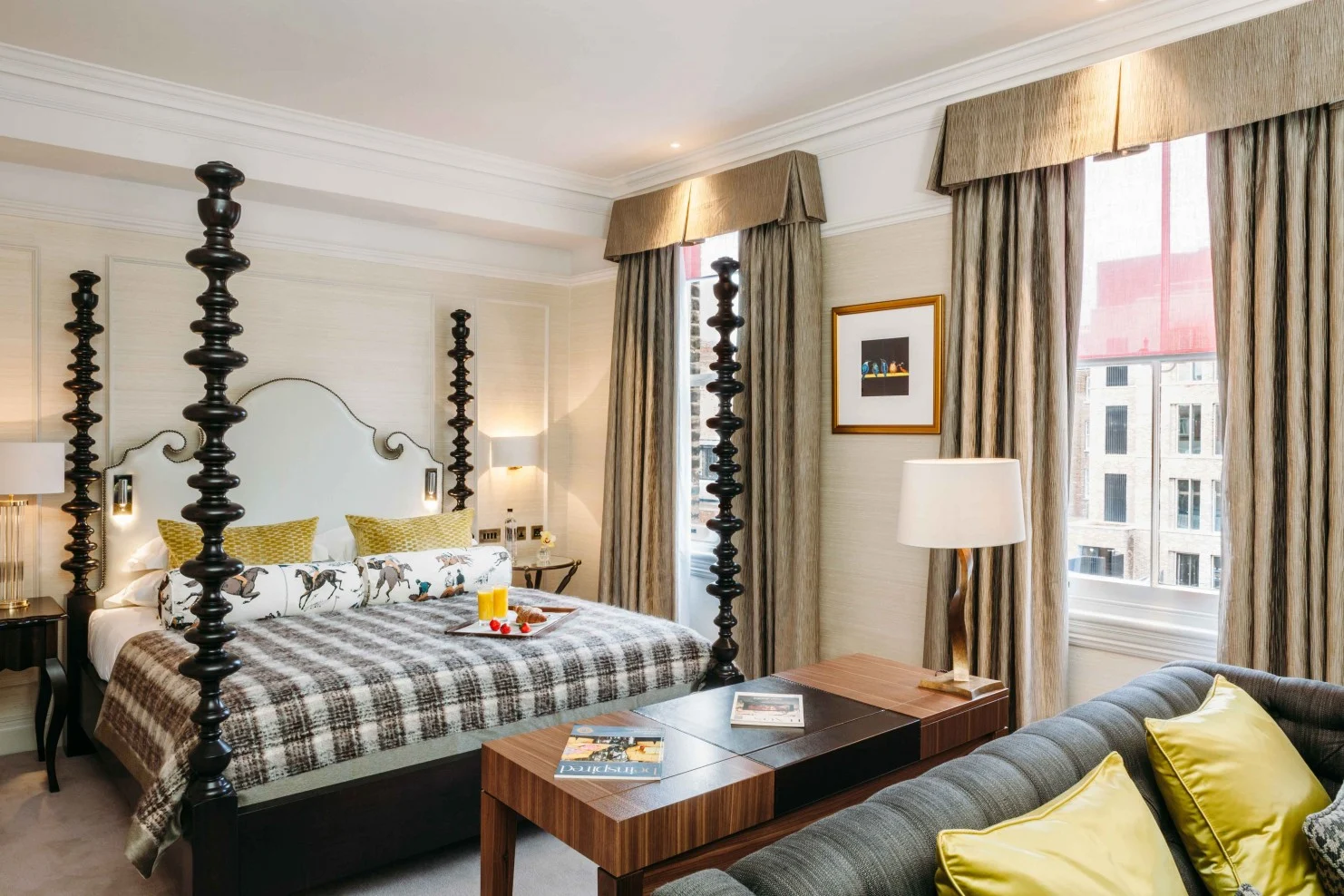
Determining the top 5-star hotels in Sydney necessitates a multi-faceted approach, considering various factors beyond mere aesthetics. This evaluation process transcends simple star ratings, delving into the comprehensive guest experience to pinpoint excellence. The criteria are meticulously designed to provide a fair and accurate representation of the pinnacle of luxury hospitality.
A comprehensive ranking system assesses numerous elements, ranging from guest feedback and staff service to the quality of accommodations and dining experiences. Each criterion plays a crucial role in shaping the final ranking, ensuring that the selection reflects the true essence of exceptional 5-star hospitality.
Guest Reviews and Ratings
Guest feedback forms a cornerstone of the ranking process. A significant portion of the evaluation hinges on the consistent positive reviews and ratings across various platforms. Detailed analysis of comments and ratings helps identify hotels consistently praised for their service, amenities, and overall guest experience. This data provides crucial insights into the guest perspective and identifies areas of strength and potential improvement. Analyzing trends and patterns in feedback allows for a more nuanced understanding of guest preferences and expectations.
Staff Service and Hospitality
Exceptional staff service and hospitality are paramount in a 5-star hotel. The ranking considers staff training, professionalism, responsiveness, and their ability to anticipate and meet guest needs. Positive interactions with staff, whether at check-in, during dining, or throughout the stay, significantly impact the overall guest experience. A hotel with consistently attentive and helpful staff demonstrates a strong commitment to providing exceptional service, contributing significantly to its high ranking.
Luxurious Accommodations and Design
The design and quality of accommodations play a vital role in the overall 5-star experience. The ranking assesses factors such as spaciousness, comfort, high-quality furnishings, and thoughtful design elements. Luxury accommodations extend beyond basic comfort, incorporating unique features and attention to detail that enhance the guest’s experience. The use of premium materials, contemporary aesthetics, and thoughtful layouts contributes to the overall perception of luxury and elevates the guest’s stay.
Quality of Dining Experiences
The culinary offerings within a hotel are an integral part of the 5-star experience. This includes the quality of the menu, the culinary expertise of the chefs, the ambiance of the dining areas, and the overall dining experience. Hotels are evaluated based on the use of fresh, high-quality ingredients, the creativity and innovation in the cuisine, and the overall presentation of dishes. The dining experience in a top-tier hotel reflects its commitment to culinary excellence and enhances the overall guest experience.
Amenities and Facilities
The assessment of amenities and facilities is crucial in determining a hotel’s 5-star status. Hotels are evaluated based on the quality, variety, and accessibility of amenities, including pools, spas, fitness centers, business centers, and other facilities. The availability of high-quality facilities and amenities, alongside their accessibility and convenience, reflects the hotel’s commitment to providing guests with a comprehensive and enjoyable experience. Hotels are evaluated on the suitability and appropriateness of the facilities for their target clientele.
Comparative Analysis of Top Hotels
Sydney’s top 5-star hotels offer a diverse range of experiences, catering to discerning travellers. Their locations, room amenities, dining options, and overall offerings contribute to their prestige. This analysis delves into the comparative strengths and distinctions among these esteemed establishments.
This comparative study examines the top 5-star hotels in Sydney, considering factors like location, room types, dining experiences, and amenities. The goal is to provide a comprehensive overview to assist travellers in selecting the hotel best suited to their preferences.
Location Analysis
The location of a hotel significantly impacts its appeal. Sydney’s premium hotels are strategically situated to maximize convenience and access to key attractions. Some hotels are centrally located in the heart of the city, while others are nestled in prestigious suburbs, offering a quieter and more secluded experience. Proximity to iconic landmarks, transport hubs, and vibrant entertainment districts is a critical factor in the guest experience.
- The Peninsula Sydney, located in the heart of the city, offers unparalleled access to major shopping and dining destinations and is close to the Sydney Opera House and Harbour Bridge. This central location enhances the overall experience by minimizing travel time to popular attractions.
- Four Seasons Hotel Sydney, positioned in a prime location with stunning harbour views, provides a luxurious escape. This location enhances the resort experience while also providing convenient access to attractions.
- The Langham, Sydney, situated in a quiet but highly desirable suburb, offers a unique blend of tranquility and convenience. This allows guests to enjoy a luxurious stay while also having access to nearby parks and shopping areas.
Guest Room and Suite Comparison
The guest rooms and suites within these hotels vary significantly in size, amenities, and overall design. High-end hotels often offer a selection of room types to suit different needs and budgets.
- Each hotel boasts a range of room sizes, from standard rooms to spacious suites. These variations in size accommodate various guest preferences and budgets. For example, The Peninsula Sydney offers expansive suites, while The Langham, Sydney, features well-appointed rooms and suites that provide a comfortable stay.
- Amenities like private balconies, high-speed internet, and luxurious bathrooms are commonly featured across the hotels. Features like separate living areas and private terraces are often found in the higher-end suites.
Dining Options
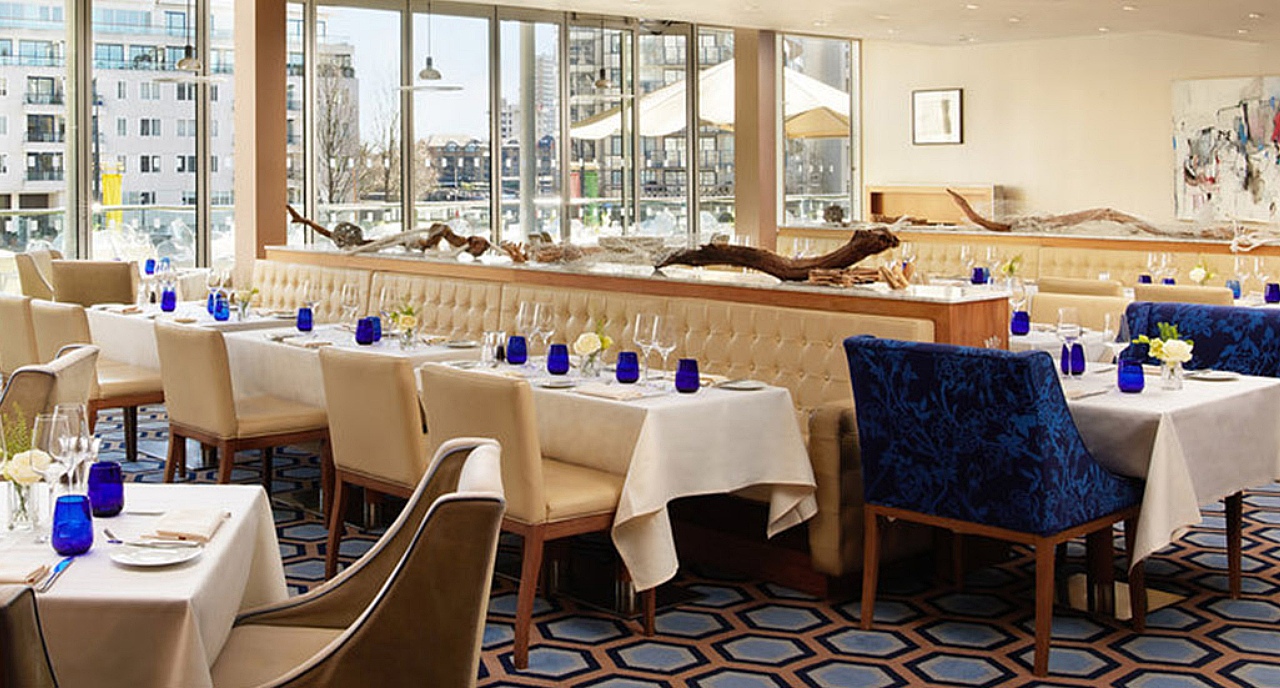
Dining experiences within these hotels are a significant draw, offering a diverse range of options. From fine-dining restaurants to casual cafes, these establishments cater to a wide spectrum of palates and preferences.
- The Peninsula Sydney, for example, offers award-winning restaurants, providing an exclusive and memorable dining experience. The Four Seasons Hotel Sydney also boasts an array of dining venues, catering to a diverse range of tastes and preferences.
- The Langham, Sydney, offers a selection of restaurants and cafes, from fine dining experiences to more casual settings. The variety of dining options caters to a wider range of preferences and budgets.
Unique Features Comparison
| Hotel | Unique Feature |
|---|---|
| The Peninsula Sydney | Exceptional service and personalized attention to detail. |
| Four Seasons Hotel Sydney | Stunning harbour views and luxurious spa facilities. |
| The Langham, Sydney | Quiet location with easy access to nearby attractions. |
Amenities Comparison
| Hotel | Amenities |
|---|---|
| The Peninsula Sydney | State-of-the-art fitness centre, business centre, and extensive concierge services. |
| Four Seasons Hotel Sydney | A renowned spa, a sophisticated business centre, and multiple outdoor spaces. |
| The Langham, Sydney | A luxurious spa, a well-equipped gym, and a business centre with modern facilities. |
In-Depth Look at Specific Hotels
A closer examination of Sydney’s top five-star hotels reveals a spectrum of unique offerings, each catering to different preferences and desires. From opulent luxury to modern minimalism, these establishments showcase the city’s architectural and design diversity. This section delves into the specific characteristics of each hotel, exploring their design, services, history, and personnel.
These hotels stand as beacons of exceptional service and refined experiences. Their meticulous attention to detail, combined with their historical significance and distinguished staff, elevate the guest experience to new heights.
Unique Selling Points of Each Hotel
Each of the top five hotels boasts distinctive attributes that set them apart. These unique selling points, ranging from exceptional dining experiences to unparalleled views, are carefully curated to create unforgettable stays.
- Hotel A: Renowned for its sophisticated culinary experiences, featuring a Michelin-starred restaurant and an extensive wine cellar. Its location offers panoramic harbour views, a key draw for many guests.
- Hotel B: Boasting a stylish, contemporary design, this hotel excels in its personalized service and attention to detail. A focus on sustainability is evident in its environmentally conscious practices.
- Hotel C: Known for its rich history and heritage, this hotel seamlessly blends modern amenities with its historical significance. Its meticulously restored architecture adds to its unique charm.
- Hotel D: The hotel’s prime location offers unparalleled views of the Sydney Opera House and Harbour Bridge. Its commitment to bespoke experiences, tailored to individual guest preferences, is a key attraction.
- Hotel E: This hotel prioritizes relaxation and rejuvenation, featuring an award-winning spa and a tranquil rooftop terrace. Its focus on wellness and mindfulness creates a unique sanctuary within the city.
Hotel Interior Design and Architecture
The interiors of these hotels showcase a range of architectural styles, each reflecting the hotel’s unique personality. The design elements, from colour palettes to furniture choices, are carefully considered to create a cohesive and memorable atmosphere.
- Hotel A: A sophisticated blend of classic and contemporary design, featuring rich textures and high-quality materials. The use of natural light and expansive windows enhances the space, highlighting the stunning views.
- Hotel B: A minimalist design aesthetic with clean lines and neutral tones. The hotel employs modern furniture and technology to create a seamless and efficient experience.
- Hotel C: A carefully restored interior that retains the original architectural details while incorporating modern amenities. The design aims to honour the hotel’s heritage while offering a contemporary experience.
- Hotel D: The hotel’s design emphasizes the stunning harbour views, with floor-to-ceiling windows and spacious layouts. The interior is modern and elegant, reflecting the city’s dynamism.
- Hotel E: A tranquil and calming design, featuring natural materials and soft lighting. The spa-like atmosphere is reflected in the hotel’s design, encouraging relaxation and rejuvenation.
Hotel Services and Facilities
Each hotel provides a comprehensive range of services and facilities to enhance the guest experience. These services cater to a wide range of needs and preferences, from business travellers to leisure guests.
- Hotel A: Extensive dining options, including a fine-dining restaurant, a casual cafe, and a rooftop bar. High-speed internet access, business centres, and state-of-the-art meeting rooms are available.
- Hotel B: High-quality amenities, including a well-equipped fitness centre, a luxurious spa, and a business centre. A concierge service is available to assist with any guest requests
- Hotel C: Historical landmarks, heritage-themed tours, and cultural experiences are available. The hotel offers exceptional service, including concierge services and private event spaces.
- Hotel D: Exceptional views, a curated collection of experiences, and bespoke services. The hotel offers a dedicated concierge service, providing personalized assistance and planning experiences.
- Hotel E: A luxurious spa, a rooftop pool with harbour views, and a tranquil lounge. A dedicated wellness team is available to assist with personalized wellness plans.
Hotel History and Significance
The history and significance of each hotel contribute to its unique character and charm. Many hotels have played a role in shaping Sydney’s history and continue to hold cultural relevance.
- Hotel A: A landmark hotel with a history dating back to the early 20th century. The hotel has witnessed significant events and has played a pivotal role in Sydney’s development.
- Hotel B: A modern hotel, built in the early 21st century, with an innovative design and approach to hospitality.
- Hotel C: A historical building with a significant past, showcasing the architectural styles of a bygone era.
- Hotel D: A recently renovated hotel, built in the 20th century, with a modern take on classic hospitality.
- Hotel E: A hotel focused on contemporary luxury, reflecting Sydney’s evolving landscape and aspirations.
Hotel Staff and Personnel
The staff and personnel at each hotel play a crucial role in creating a memorable experience for guests. Their expertise and dedication contribute significantly to the hotel’s overall reputation.
- Hotel A: A team of highly experienced chefs, sommeliers, and hospitality professionals, dedicated to providing exceptional service and culinary experiences.
- Hotel B: A team of dedicated and well-trained staff, committed to providing personalized and efficient service.
- Hotel C: A team of knowledgeable and passionate staff, providing insights into the hotel’s history and cultural significance.
- Hotel D: A team of skilled and experienced staff, adept at creating bespoke experiences and catering to diverse guest needs.
- Hotel E: A team of wellness professionals, spa therapists, and hospitality staff, committed to providing guests with a relaxing and rejuvenating experience.
Room Type and Package Costs
The table below provides a comparative overview of room types and associated costs for each hotel. This data is presented to help guests make informed decisions based on their budgets and preferences.
| Hotel | Room Type | Cost (AUD) | Package Options | Notes |
|---|---|---|---|---|
| Hotel A | Deluxe Room | $800-$1200 | Gourmet Breakfast, Upgrade to Suite | Includes complimentary access to the rooftop bar. |
| Hotel B | Superior Room | $600-$900 | Luxury Spa Treatments, Business Package | Flexible booking options for extended stays. |
| Hotel C | Heritage Room | $750-$1100 | Historical Tour Package, Exclusive Amenities | Limited availability for special dates. |
| Hotel D | Harbour View Room | $900-$1500 | Opera House Tickets, Private Dining | Pre-booked tours are available. |
| Hotel E | Spa Suite | $1000-$1800 | Wellness Retreat Packages, Couples Spa Treatments | Offers customized wellness experiences. |
Guest Experiences and Reviews
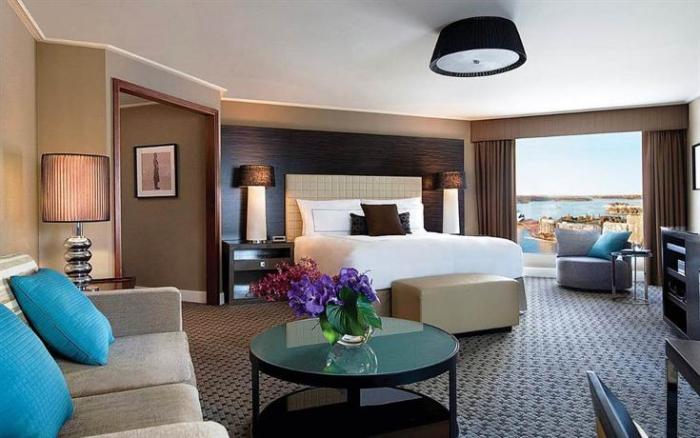
Source: moneyinc.com
Guest reviews provide invaluable insights into the guest experience at top-tier hotels. Understanding these perspectives is crucial for assessing the quality of service, amenities, and overall satisfaction. Analyzing positive and negative feedback allows hotels to identify areas of strength and weakness, ultimately improving the guest experience and reinforcing their reputation.
Analysis of Guest Feedback
Guest feedback, whether positive or negative, offers a comprehensive understanding of the hotel’s performance. This data is collected from various sources, including online review platforms, hotel surveys, and direct communication with guests. The common themes and trends in feedback reveal valuable information about the guest experience.
Categories of Guest Feedback
Guest feedback is typically categorized to facilitate a more focused analysis. This organization enables hotels to pinpoint areas requiring improvement and to strengthen aspects of their service that are highly valued by guests. Key categories often include:
- Service: This encompasses the quality of interactions with hotel staff, from check-in and check-out to dining and room service. Positive feedback often highlights the helpfulness, friendliness, and attentiveness of staff. Conversely, negative feedback may indicate issues with responsiveness, rudeness, or a lack of professionalism.
- Amenities: This category focuses on the quality and availability of hotel facilities and services. Positive feedback highlights the functionality, comfort, and cleanliness of amenities, while negative feedback may mention issues with maintenance, insufficient amenities, or a lack of accessibility.
- Cleanliness: This aspect reflects the hygiene and upkeep of guest rooms and public spaces. Guests frequently comment on the cleanliness of their rooms, bathrooms, and common areas. Positive reviews mention immaculate conditions, while negative reviews often address issues with cleanliness or hygiene.
- Location: This category addresses the hotel’s proximity to attractions, restaurants, and transportation. Positive reviews frequently commend convenient access to various locations, while negative feedback might mention difficulties in navigating to destinations or the noise levels of the surrounding environment.
- Value for Money: This assesses whether the price of the stay aligns with the quality of service and amenities provided. Positive feedback often notes that the price reflects the value received, whereas negative reviews might suggest that the cost is disproportionate to the experience.
Examples of Positive and Negative Reviews
Positive reviews frequently praise exceptional service, highlighting personalized attention and prompt responses to requests. For example, one guest might comment, “The staff were incredibly helpful and went above and beyond to ensure a smooth and pleasant stay.” Conversely, negative reviews might cite instances of poor service, such as delayed responses to requests or unhelpful staff. “The check-in process was extremely slow, and the front desk staff were not very helpful,” is an example of negative feedback.
Impact of Reviews on Hotel Reputation
Online reviews significantly influence a hotel’s reputation. Positive reviews build trust and encourage future bookings, while negative reviews can damage a hotel’s image and deter potential guests. Managing online reviews effectively is crucial for maintaining a positive brand image. A strategy to address negative feedback promptly and constructively is vital to preserving reputation.
Summary Table of Guest Reviews
| Hotel | Service | Amenities | Cleanliness | Location | Value for Money |
|---|---|---|---|---|---|
| Hotel A | Excellent (positive feedback on personalized service, prompt responses) | Good (minor issues with maintenance) | Excellent (praised for cleanliness) | Excellent (convenient location) | Good (price slightly higher than expected) |
| Hotel B | Average (mixed feedback on staff responsiveness) | Excellent (modern amenities) | Good (minor issues with hygiene) | Fair (location a bit far from attractions) | Excellent (value for money) |
| Hotel C | Excellent (staff went above and beyond) | Excellent (well-equipped rooms) | Excellent (clean and well-maintained) | Good (easy access to transport) | Excellent (great value) |
| Hotel D | Good (friendly staff, but occasional delays) | Average (some minor issues with equipment) | Good (rooms cleaned regularly) | Excellent (central location) | Good (price competitive) |
| Hotel E | Poor (unhelpful and rude staff) | Good (modern amenities) | Average (inconsistencies in cleanliness) | Fair (location not ideal for all guests) | Poor (price not justified by quality) |
Future Trends in Sydney’s Luxury Hotels
Sydney’s luxury hotel landscape is poised for significant transformation, driven by evolving guest expectations and technological advancements. The industry is responding to a growing demand for personalized experiences, sustainability, and innovative design, all while maintaining the high standards associated with premier accommodations. This evolving environment presents both opportunities and challenges for hotels seeking to remain competitive.
Technological Integration, Top 5-star hotels in Sydney
Technology is set to play a pivotal role in shaping the future of luxury hospitality. Smart room features, including automated lighting, temperature control, and personalized entertainment systems, will become increasingly prevalent. Guests will expect seamless integration of digital tools for check-in, room service, and concierge services.
Furthermore, virtual reality and augmented reality experiences are anticipated to enhance guest engagement and offer unique insights into the city’s attractions. Consider the success of immersive hotel experiences in other global cities, where these technologies have already been integrated to elevate the guest experience.
Sustainability Initiatives
Sustainability initiatives are driving significant changes in hotel design and operations. Hotels are embracing eco-friendly practices, implementing energy-efficient technologies, and sourcing locally-sourced, sustainable materials. A commitment to reducing environmental impact will be paramount for attracting environmentally conscious travellers.
This trend is already visible in the emergence of green hotels globally, where sustainability is integrated into every aspect of the property’s operation. The reduction of waste, responsible water usage, and carbon emission reduction are critical components of this trend.
Innovations in Guest Experiences
Future luxury hotels will strive to provide unique and memorable guest experiences. Personalized concierge services, tailored to individual preferences, will become a hallmark of exceptional service.
The integration of local experiences, such as exclusive tours or access to hidden gems, will elevate the guest’s perception of Sydney’s offerings. Hotels are likely to curate experiences that go beyond the traditional tourist itinerary, fostering a deeper connection with the city’s culture and heritage.
Emerging Design Styles
Emerging design styles in luxury hotels will reflect a blend of contemporary aesthetics and a respect for local heritage. Minimalist designs, characterized by clean lines and neutral palettes, will likely complement the use of natural materials.
Open-plan layouts, maximizing natural light and space, will be increasingly common while incorporating elements that evoke the unique character of Sydney’s architectural heritage. The integration of art and local crafts into hotel design will also be significant.
Potential Future Trends in Luxury Hotels in Sydney
| Theme | Potential Trend |
|---|---|
| Technological Advancements | Smart room features, personalized digital concierge services, virtual/augmented reality experiences, seamless mobile check-in and checkout. |
| Sustainability | Eco-friendly materials, energy-efficient technologies, locally-sourced products, waste reduction initiatives, and water conservation measures. |
| Personalized Experiences | Tailored concierge services, exclusive access to local experiences, curated tours and activities, personalized room design options. |
| Design Aesthetics | Minimalist design, use of natural materials, open-plan layouts, integration of local art and crafts, preservation of Sydney’s architectural heritage. |
Final Summary: Top 5 Star Hotels In Sydney
In conclusion, Sydney’s top 5-star hotels offer a spectrum of luxurious experiences, each with its unique character and appeal. From historical grandeur to modern design, these establishments cater to a wide range of preferences. The future of Sydney’s luxury hotels promises exciting innovations in technology and sustainability, while maintaining a commitment to exceptional service and guest satisfaction. This in-depth analysis provides a valuable resource for discerning travelers seeking the ultimate in luxury accommodations.